

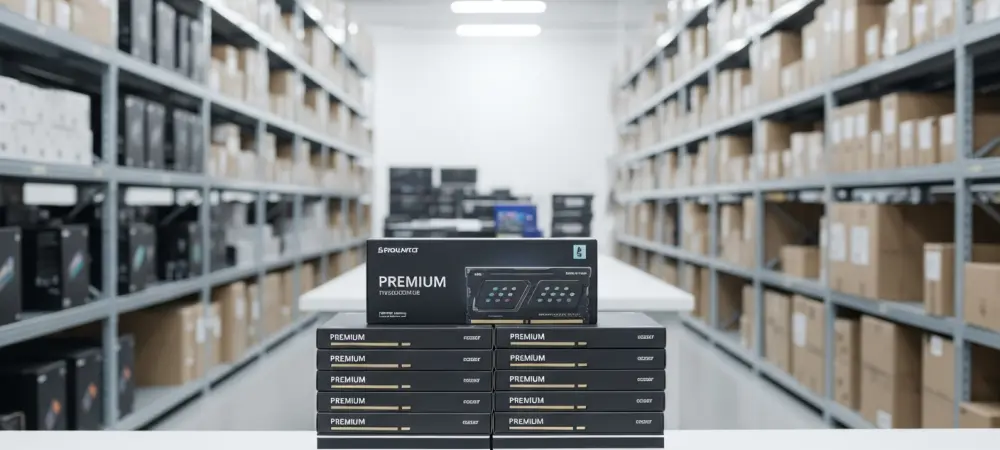
The global semiconductor landscape experienced a seismic shift during the current fiscal cycle as consumer-grade DDR5 memory modules transitioned from being a standard PC component to a luxury investment for many PC builders. This unexpected trajectory has seen average retail prices for 32GB kits skyrocket from approximately eighty dollars to over three hundred dollars within a single twelve-month window. Such a dramatic escalation was not the result of a single failure but rather a perfect storm of industrial pivots and logistical bottlenecks that caught the hardware community entirely off guard. While early adopters of the DDR5 platform enjoyed relatively stable pricing during the initial rollout, the subsequent explosion in large-scale computational needs transformed the manufacturing landscape. Fabrication facilities that once dedicated significant capacity to standard desktop memory shifted their focus to more lucrative specialized modules, leaving the consumer market struggling with a severe supply-demand imbalance that shows no signs of immediate correction. This volatility highlights the fragile nature of the global supply chain when faced with rapid technological evolution.
The Convergence: Supply Shortages and AI Dominance
Central to this pricing crisis is the aggressive expansion of artificial intelligence infrastructure, which has fundamentally altered how major DRAM manufacturers allocate their production resources. Major players like Samsung, SK Hynix, and Micron redirected a massive portion of their silicon wafers toward High Bandwidth Memory (HBM) production to satisfy the insatiable hunger of enterprise-level AI accelerators. Because HBM requires significantly more complex manufacturing processes and occupies more physical space on the silicon wafer compared to standard DDR5, the net output of consumer memory plummeted. This shift created a structural deficit where the actual number of units available for the retail market could not keep pace with the growing popularity of newer CPU platforms. Consequently, the limited inventory remaining on store shelves became subject to intense bidding wars among distributors, which ultimately passed the burden of increased costs down to the end user. The prioritization of high-margin corporate contracts effectively relegated the gaming and workstation segments to a secondary priority, ensuring that any available stock commanded a premium price.
Market Realities: Strategic Considerations for the Future
Navigating this high-cost environment required a tactical shift in how hardware enthusiasts and enterprise IT departments approached system upgrades and procurement. Industry analysts observed that the most effective strategy involved delaying non-critical hardware refreshes while focusing on optimizing existing software environments to reduce memory pressure. For those who were forced to purchase during this peak, the adoption of mid-range frequencies became the standard compromise, as the diminishing returns of high-end overclocked kits rarely justified the massive price delta. Manufacturers eventually responded by exploring more efficient packaging techniques to increase yields, though these improvements stabilized the market only during the 2026 to 2027 period. The shift in purchasing behavior emphasized the importance of monitoring production cycles before committing to capital expenditures. Looking forward, the diversification of supply chains and the integration of on-chip memory solutions provided a roadmap for avoiding spikes. This period proved that strategic patience remained the most valuable asset for any builder.