

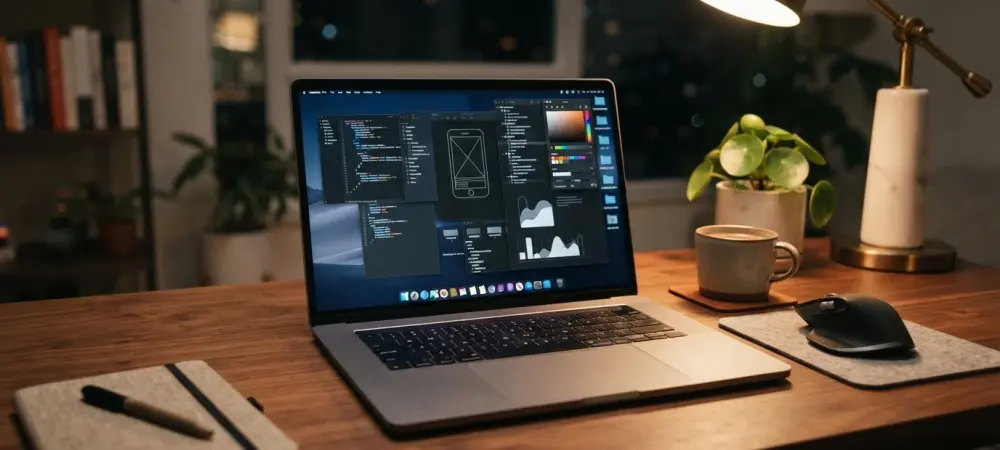
Current internal testing of the Reef framework has successfully demonstrated the ability to run applications such as NetNewsWire and Ghostty on a Linux desktop environment. This breakthrough represents a significant shift from the project’s origins as a cosmetic shell toward becoming a technically robust operating system. While the initial CutefishOS was praised for its visual fidelity to Apple’s ecosystem, the current iteration is a technical overhaul aimed at structural compatibility. By moving past simple themes, the development team is addressing the “platform lock-in” that has long tethered creative professionals to proprietary hardware. The goal is to provide a seamless transition between ecosystems, allowing users to keep their favorite tools while embracing open-source freedom. This evolution marks a departure from mere imitation, signaling a serious effort to solve the deep technical challenges of cross-platform software execution. The project utilizes a Debian base to ensure that, even as it breaks new ground in compatibility, it remains a functional and secure choice for general computing needs in the year 2026.
Developing the Reef Framework
Technical Innovations: Bridging the Kernel Gap
Reef is not just a translation layer but a fundamental reconstruction of the libraries that macOS applications depend upon to function correctly. This includes complex components like AppKit for window management, Foundation for data handling, and SwiftUI for rendering modern interfaces. By rewriting these proprietary frameworks from the ground up, the Cutefish team is attempting to replicate the exact environment a Mac application expects to find. The complexity is staggering, as the project currently encompasses over 460,000 lines of original code across eighty distinct frameworks. This massive undertaking is necessary because Linux and macOS handle system calls and graphical rendering in fundamentally different ways. Rather than relying on a heavy virtualization layer that drains system resources, Reef seeks to provide the native libraries directly. This approach ensures that applications can interact with the Linux kernel with minimal latency, effectively tricking the software into believing it is running on Apple hardware while maintaining the security of a modern Linux foundation.
The precision required for this reimplementation cannot be overstated, as even the slightest discrepancy in how a line of text is drawn or how a window is laid out can lead to catastrophic application failures or system-wide crashes. The development team has accelerated their efforts significantly, with the codebase growing by over 150,000 lines in a recent ten-day period to keep pace with the evolving needs of modern software. This rapid expansion highlights the commitment to creating a pixel-perfect and functionally identical environment for third-party developers. By focusing on the underlying architecture rather than just the surface-level appearance, Cutefish distinguishes itself from previous attempts at creating macOS clones. The framework must handle intricate details such as memory management and event loops that are unique to the Apple ecosystem. Successfully bridging this gap means that Linux users could eventually access a vast library of specialized productivity tools that were previously out of reach. The ongoing refinement of Reef is a testament to the community’s desire for a truly universal desktop experience.
Compatibility Goals: Achieving Native Performance
The ultimate objective of the Reef project is to enable users to run unmodified Mac applications on Linux without the heavy performance overhead traditionally associated with CPU emulation or virtual machines. By focusing on library reimplementation, the developers are seeking a level of efficiency that allows high-performance software to run at near-native speeds. This strategy is similar to how Wine allows Windows applications to run on Linux by translating system calls in real-time, but Reef goes further by addressing the specific high-level frameworks used by Apple. Recent internal demonstrations have successfully run high-profile applications like Speedtest by Ookla alongside the aforementioned developers’ tools, signaling that the technical foundation is becoming increasingly robust. This progress suggests a shift where specialized software is no longer locked to a single proprietary hardware ecosystem. For creative professionals, this means the freedom to choose high-end PC hardware while still utilizing the specific software suites that define their professional workflows.
Achieving this level of compatibility requires a deep understanding of how Apple’s proprietary APIs interact with the hardware layer. The Cutefish team is working to ensure that features like hardware acceleration and low-latency audio processing are fully supported within the Reef framework. This is critical for professional-grade software like Arc Studio or the Ollama desktop app, which demand significant system resources. The roadmap for Cutefish indicates a move toward a more integrated experience where these apps feel like first-class citizens of the desktop environment. By eliminating the need for a secondary machine or a complex virtual setup, Cutefish is streamlining the user experience for those who work across multiple platforms. The project’s success would effectively dismantle the walls of the “walled garden,” providing a viable path for users who value the macOS software catalog but prefer the transparency and customization of Linux. This technical ambition sets a high bar for the project, pushing the boundaries of what is possible within the open-source community.
Current Performance and User Experience
System Stability: Leveraging the Debian Base
In its current stage of development, Cutefish functions as a highly specialized and visual Linux desktop that benefits immensely from its Debian foundation. Because it is rooted in one of the most stable Linux distributions available, it maintains full compatibility with standard package managers and the extensive catalog of existing Linux software. During initial testing, the operating system demonstrated remarkable stability for daily productivity tasks, such as high-definition media consumption and complex web browsing. While the distribution currently lacks a dedicated graphical user interface for package management out of the box, users can easily bridge this gap by installing established tools like Synaptic. This reliance on Debian provides a safety net for users, ensuring that the core operating system remains reliable even as the experimental Reef framework is being integrated. It allows the developers to focus their energy on compatibility layers rather than reinventing basic system components like file systems or network stacks.
Despite its current “nightly” status, which suggests it is best suited for testing and non-essential tasks, the OS provides a surprisingly smooth experience for those willing to navigate the early-release hurdles. The integration of the Apt package manager means that users have access to thousands of verified applications immediately upon installation. However, it is important to note that the signature Reef integration is not yet available in the public ISO releases, as the team continues to refine the framework through internal testing phases. This cautious approach to public deployment ensures that when the feature finally arrives, it will meet the high standards expected by the community. For now, Cutefish serves as an excellent daily driver for users who want a polished, Debian-based desktop that offers a unique aesthetic and a promising future. The stability of the underlying system makes it a viable platform for developers who want to contribute to the project or for enthusiasts who enjoy being on the cutting edge of desktop technology and software evolution.
Shaping a Universal Desktop Ecosystem
The development of Cutefish and the Reef framework pointed toward a future where hardware and software dependencies were no longer the primary barriers to user choice. By emphasizing a simplified workflow that mirrored the famous “drag-and-drop” installation process, the project sought to remove the steep learning curve often associated with running foreign software on Linux. This approach allowed users to download a disk image, mount it, and move applications into a folder, creating a user experience that felt intuitive and familiar. The trajectory of the project indicated a significant shift toward functional convergence, meeting the growing demand for professional-grade software within a secure, open-source framework. Creative professionals who felt tethered to specific hardware found a new sense of flexibility as the boundaries between operating systems became increasingly transparent. This effort represented a major milestone in desktop evolution, moving beyond superficial themes to solve deep-seated compatibility issues through architectural innovation and dedicated community collaboration. Looking ahead, the successful integration of native application support suggested that the Linux desktop could finally compete on equal footing with proprietary giants in the creative sector. The project encouraged a new perspective on software ownership and platform independence, proving that dedicated developers could replicate complex proprietary systems through persistent effort. For those interested in following this progress, monitoring the nightly builds and participating in the community forums became essential steps for staying informed about the latest framework updates. The lessons learned during the development of Reef provided a blueprint for future cross-platform projects, emphasizing the importance of native library support over resource-heavy emulation. As the project matured, it offered a compelling alternative for anyone seeking the aesthetic refinement of a premium OS without the restrictive ecosystem. The transition toward a more open and compatible computing landscape was accelerated by these technical achievements, leaving a lasting impact on how users interacted with their preferred professional tools.