

The long-standing prophecy that public cloud providers would eventually swallow the global IT landscape whole has encountered a defiant reality in the modern digital infrastructure sector. Instead of a total migration to off-site platforms, a sophisticated equilibrium has emerged where physical servers and virtual instances coexist in a state of mutual dependency known as the hybrid IT era. This transition was fueled by the realization that localized hardware offers unique advantages that decentralized services simply cannot replicate, leading to a significant trend of workload repatriation. As enterprises re-evaluate their digital footprints, the focus has shifted from a cloud-only mindset to a cloud-right strategy, prioritizing the specific needs of each application rather than following a generic industry trend. Consequently, the brick-and-mortar data center has transitioned from being a legacy burden into a vital, strategic asset that anchors the modern enterprise. This evolution ensures that critical operations remain within direct reach of the technicians and engineers who manage them.
Strategic Drivers for On-Premises Systems
Legal Obligations: Data Sovereignty
Legal frameworks and the demand for instantaneous data processing have solidified the position of on-premises facilities within the global economy. In industries such as high-frequency trading or real-time medical imaging, even the slightest delay caused by routing data through a distant cloud node can lead to catastrophic financial losses or compromised patient outcomes. Localized servers eliminate these millisecond-level latencies by keeping data processing physically close to the end-user or the generating device. Furthermore, strict data sovereignty laws in various jurisdictions mandate that sensitive personal information remains within national borders, often under direct physical control of the data owner. Relying solely on a multinational cloud provider introduces complex legal risks that are easily mitigated by maintaining a private server environment. By keeping these high-stakes operations on-site, organizations can guarantee compliance while maintaining the extreme performance levels required for today’s rapid digital transactions.
Economic Control: Budgetary Predictability
Economic predictability represents another cornerstone of the argument for maintaining dedicated physical infrastructure in an increasingly volatile market. While the cloud offers an attractive entry point with its pay-as-you-go model, the cumulative costs of running massive, persistent workloads 24/7 often surpass the expenses associated with owning and operating private hardware. Hidden fees for data egress, API calls, and premium support can lead to significant budgetary fluctuations that complicate long-term financial planning for large enterprises. In contrast, an owned facility provides a fixed cost structure, where capital expenditures are depreciated over time and operating costs remain relatively stable. Beyond the financial aspect, the security benefits of a controlled environment are unparalleled. A private data center allows for bespoke physical security protocols, ranging from biometric access to specialized fire suppression systems, ensuring that the most sensitive intellectual property is shielded from the vulnerabilities often found in shared environments.
Engineering Excellence in the Physical Layer
Thermal Control: Airflow Dynamics
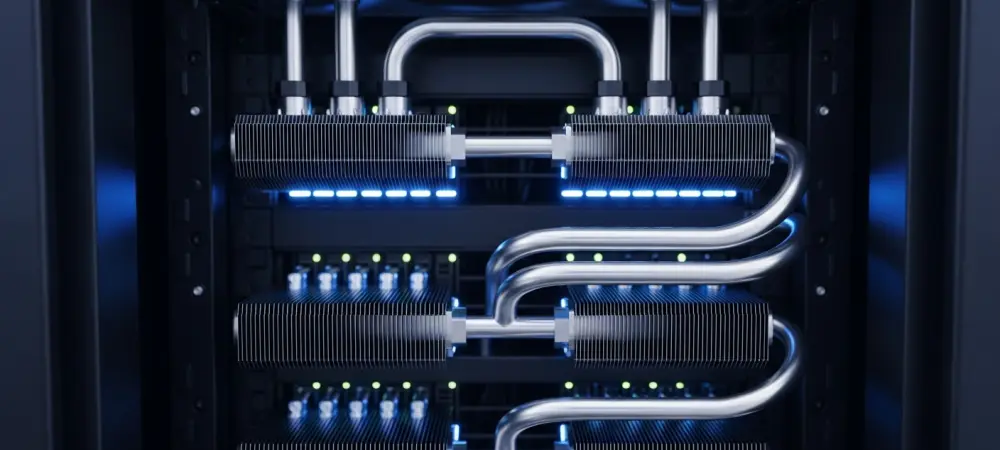
Modern engineering within the physical layer of the data center has reached a level of sophistication that directly correlates with hardware longevity and system uptime. The implementation of precision cooling systems, such as hot and cold aisle containment, represents a fundamental shift in how heat is managed within dense server environments. By physically separating the chilled intake air from the heated exhaust, operators can maintain optimal operating temperatures while drastically reducing the energy consumption of large-scale cooling units. This meticulous attention to airflow dynamics prevents the formation of localized hotspots that can lead to hardware throttling or sudden server failure. As computing power continues to increase, especially with the integration of specialized processors for data-intensive tasks, these thermal management strategies have become essential components of a reliable infrastructure. High-efficiency heat exchangers and liquid-to-chip cooling technologies are now being integrated into standard rack designs to ensure that the hardware performs at peak capacity.
Asset Protection: Physical Organization
The organizational integrity of a server facility extends beyond thermal management into the meticulous arrangement of physical components and security barriers. Advanced cable management systems are no longer viewed merely as aesthetic choices but as critical operational safeguards that facilitate rapid troubleshooting and prevent accidental downtime. In a densely packed environment, a single misplaced fiber optic cable can impede airflow or cause significant delays during a critical repair window. By utilizing structured cabling and clear labeling, technicians can perform upgrades and maintenance with a high degree of accuracy and speed. Simultaneously, the integration of multi-layered physical security measures, including rack-level locking mechanisms and continuous video surveillance, provides a robust defense against unauthorized access. This controlled environment ensures that the physical assets powering the digital enterprise are protected from both environmental hazards and human error. These engineering standards create a foundation of stability that allows the broader IT ecosystem to function without the constant threat of physical disruption or failure.
Hybrid Strategy for Synergy and Scale
Operational Resilience: Cloud Bursting
Integrating on-premises hardware with cloud services creates a powerful synergy that allows businesses to scale their operations with unprecedented precision. One of the most effective strategies in this hybrid model is the use of cloud bursting, where a company maintains enough local capacity to handle its baseline daily traffic while utilizing the public cloud for unexpected surges. This approach prevents the unnecessary purchase of expensive hardware that might sit idle during periods of normal activity, thereby optimizing the return on investment for physical assets. Additionally, this architecture serves as a robust disaster recovery solution, as data can be mirrored between local servers and remote cloud regions. If a localized event affects the primary data center, operations can be quickly shifted to the cloud, ensuring business continuity without significant data loss. This dual-layered strategy provides a level of resilience that is difficult to achieve through a single-provider approach, offering a safety net that spans both physical and virtual environments.
Future Readiness: Governance and AI
Managing the complexities of a hybrid landscape requires a sophisticated governance framework that unifies disparate systems under a single administrative umbrella. The use of specialized orchestration tools and managed services allows IT teams to monitor performance, deploy security patches, and allocate resources across both local and cloud environments from a centralized dashboard. This oversight is crucial for preventing resource sprawl and ensuring that security protocols remain consistent across the entire network. Furthermore, the rapid advancement of artificial intelligence has placed new demands on local infrastructure, as training complex models often requires massive amounts of processing power and immediate access to large datasets. Maintaining high-performance computing clusters on-site allows organizations to process these workloads without the latency and cost penalties associated with moving vast quantities of data to the cloud. By preparing physical facilities for the specialized power and cooling needs of AI hardware, companies are positioning themselves to lead the next wave of technological innovation.
Strategic Implementation of Resilient Frameworks
The evolution of digital infrastructure demonstrated that the data center remains a fundamental component of the modern technological ecosystem rather than a relic of the past. Organizations found that the most successful strategies involved a nuanced blend of local control and cloud flexibility, tailored to specific operational demands. Leaders who invested in high-performance physical facilities secured their ability to handle latency-sensitive tasks while maintaining strict compliance with evolving data regulations. The move toward hybrid environments highlighted the importance of engineering excellence, where thermal management and physical security became key drivers of long-term reliability. Moving forward, businesses looked to integrate artificial intelligence and edge computing into their existing frameworks, necessitating even more robust local hardware capabilities. Proactive planning for power density and cooling efficiency became the standard for those seeking to future-proof their operations. Ultimately, the decision to maintain a physical presence allowed for a level of strategic autonomy that ensured sustained growth and operational resilience in a competitive landscape.