

The Billion-Dollar Handshake: Redefining the Texas Energy Landscape
This monumental $9.8 billion commitment signals a permanent transformation in how the United States approaches the artificial intelligence supply chain. By anchoring a massive data center project in Nueces County, the agreement reinforces the state’s role as a powerhouse for digital innovation while shifting the center of gravity for high-performance computing.
The sheer scale of this investment indicates that the demand for artificial intelligence is no longer speculative but is instead driving a fundamental reconfiguration of the power grid. As hyperscalers seek to secure massive blocks of electricity, the local energy landscape must adapt to sustain these intensive loads. This development signifies a new era where the availability of power determines the location of the world’s most critical digital assets.
From Bitcoin Mining: The Rise of the Gigawatt-Scale AI Factory
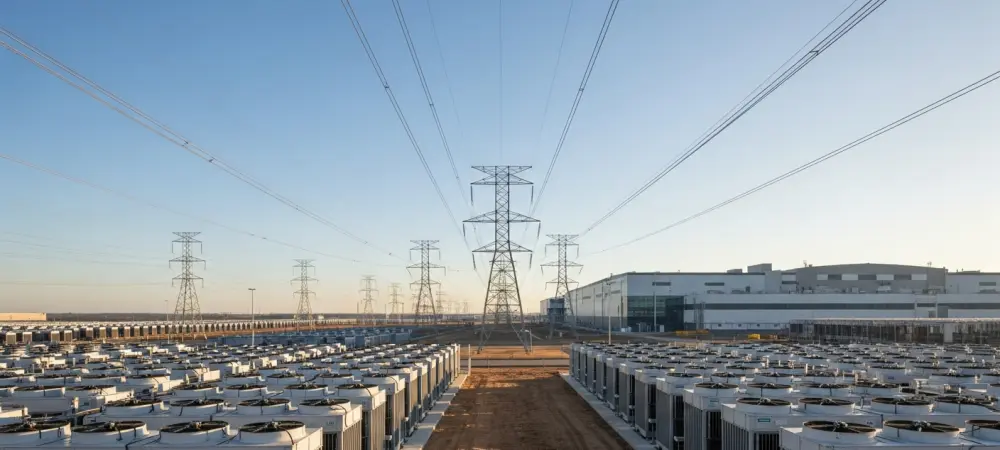
What began as a blueprint for a large-scale Bitcoin mining facility has evolved into a sophisticated “AI factory” designed for intense computational workloads. The surging global demand for generative AI and large language models has triggered a power-first gold rush, forcing developers to rethink how they use land and electricity. The Beacon Point site, spanning 525 acres, represents the physical manifestation of this industry-wide pivot toward high-density infrastructure designed for massive GPU clusters.
This transition highlights a strategic shift from volatile digital currency mining to stable, long-term infrastructure assets. The 525-acre hub is no longer a simple mining farm but a premier strategic asset capable of hosting the massive data processing required for modern life. As generative AI becomes integrated into every sector, sites like Beacon Point provide the necessary foundation for the rapid scaling of high-density computing services.
Breaking Down the $9.8 Billion Expansion: Beacon Point
The financial metrics of the Beacon Point project are staggering, centered on a 15-year lease term that provides a clear roadmap for long-term growth. This second phase of expansion adds 352MW of contracted capacity for a major high-investment-grade hyperscaler, effectively doubling their footprint at the site to a total of 704MW. If the tenant chooses to exercise all five-year renewal options, the total revenue generated from these contracts could reach an estimated $50.2 billion.
These figures represent a landmark achievement for Hut 8 as it expands its overall AI data center portfolio. The company now manages a 949MW pipeline, which includes other significant facilities like the River Bend site in Louisiana. By securing such high-value contracts, the company has successfully commercialized its power assets and established a predictable revenue stream that far exceeds the typical returns of digital asset mining.
Harnessing Nvidia DSX Architecture: 1GW Power Pipelines
To support the demands of massive GPU clusters, the facility integrates Nvidia’s DSX reference architecture to ensure standardized and efficient data hall deliveries. Electricity for these intensive operations is secured through a significant 1GW interconnection agreement with AEP Texas, providing the massive power pipeline required for modern computing. This technical foundation allows for the seamless integration of next-generation hardware within a highly controlled environment. Project milestones indicate an initial power-up scheduled for the first quarter of 2027, with the final delivery of data halls anticipated by the second quarter of 2028. Leveraging this 1GW capacity allows the site to operate at a scale rarely seen in the commercial data center market. The combination of high-density cooling and advanced power management ensures that the facility can maintain peak performance for the most demanding AI workloads.
Strategic Frameworks: Rapid Deployment in a Hyperscale Market
The completion of this lease agreement solidified the transition from speculative digital assets to mission-critical physical infrastructure. Stakeholders analyzed the long-term implications of such a massive energy draw and developed new strategies to balance industrial demand with regional grid stability. Industry leaders focused on the necessity of modular designs to accommodate future hardware iterations without requiring complete facility overhauls.
This project established a blueprint for how large-scale power access dictated the pace of technological deployment across the nation. By prioritizing power-first assets, developers ensured they remained at the forefront of the global infrastructure race, securing a stable foundation for future technological breakthroughs. The successful commercialization of greenfield sites became a primary objective for those looking to capture value in the high-density colocation market. Future considerations involved the integration of sustainable energy sources to mitigate the environmental impact of such massive computational hubs.