

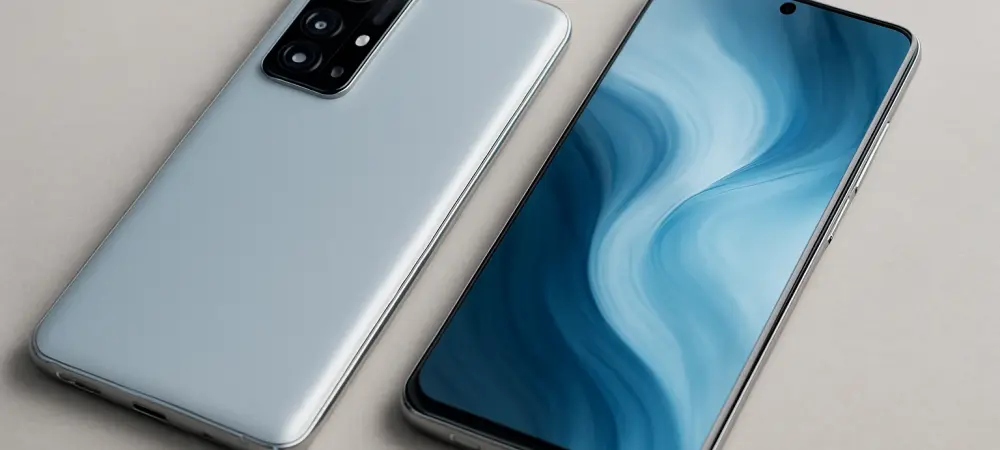
In a striking move that has captured the attention of tech enthusiasts worldwide, Xiaomi has announced the launch of its flagship smartphones under the unexpected branding of the Xiaomi 17 series, bypassing the anticipated Xiaomi 16 nomenclature. This bold decision, revealed by company President Lu Weibing, is not merely a quirk of naming but a calculated strategy to position Xiaomi as a direct competitor to Apple’s upcoming iPhone 17 series. The announcement signals an ambitious leap, with Xiaomi aiming to match generational parity and performance benchmarks in the fiercely competitive premium smartphone market. This shift in branding, paired with the promise of groundbreaking advancements, underscores a pivotal moment for the company as it seeks to redefine its standing among global tech giants. The unveiling of this series, comprising three distinct models, has sparked curiosity about how Xiaomi plans to challenge industry standards and consumer expectations with this unexpected numerical jump.
A Strategic Leap in Branding and Market Positioning
The decision to skip directly to the Xiaomi 17 series reflects a deliberate effort by Xiaomi to align itself with Apple’s generational branding, ensuring that the company is perceived as being on equal footing in the eyes of consumers. According to Xiaomi’s leadership, this naming choice is more than cosmetic—it represents what they describe as the most significant advancement in the company’s history. By synchronizing its series number with a key competitor, Xiaomi aims to eliminate any notion of lagging behind in innovation or relevance. This strategic move also highlights a broader ambition to reshape market perceptions, particularly in the high-end segment where branding plays a crucial role in consumer decision-making. Furthermore, the timing of this announcement, ahead of the series’ debut this month, suggests a confident push to capture attention and set the tone for a head-to-head rivalry. The focus on generational alignment reveals Xiaomi’s intent to not just compete on technology but also on the psychological impact of being seen as a peer to industry leaders in the smartphone arena.
Technological Innovation and Model Differentiation
Diving into the specifics of the Xiaomi 17 series, the lineup includes three models—the standard Xiaomi 17, the Xiaomi 17 Pro, and the Xiaomi 17 Pro Max—each tailored to different user needs while maintaining a premium edge. The standard model offers a compact, high-end experience with pricing consistent with previous flagship releases, ensuring accessibility without sacrificing quality. Meanwhile, the Pro variant refines this compact design further, and the Pro Max stands out as Xiaomi’s most advanced camera smartphone to date, promising unparalleled imaging capabilities. A standout feature across the series is the integration of Qualcomm’s cutting-edge Snapdragon 8 Elite Gen 5 chipset, positioning these devices among the first to harness such powerful hardware. This emphasis on top-tier performance, coupled with a nuanced approach to model differentiation, showcases Xiaomi’s commitment to innovation and consumer choice. The absence of a rumored Ultra variant at launch only adds intrigue, hinting at potential future releases that could further elevate the series’ impact in the competitive landscape.