

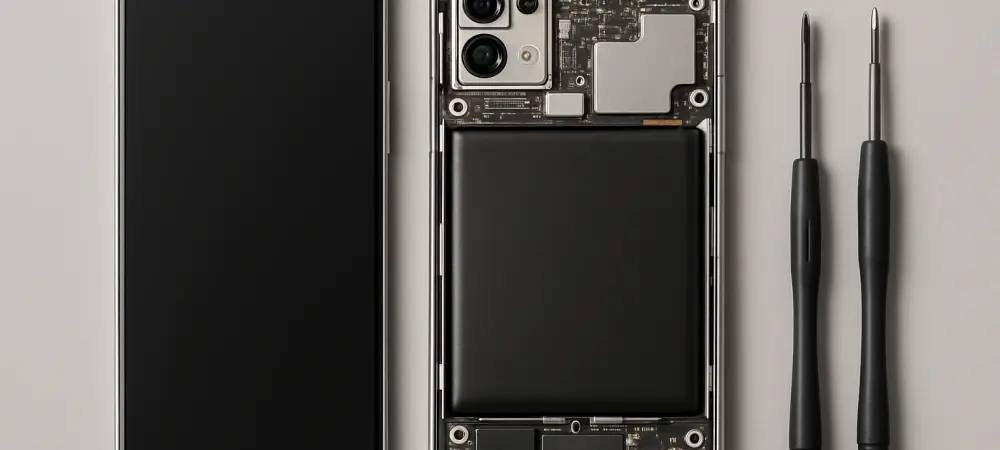
Imagine a world where a cracked smartphone screen or a failing battery doesn’t mean shelling out hundreds of dollars for a replacement device or a costly repair at a service center. This scenario is becoming more realistic with advancements in smartphone design, particularly with Google’s latest flagship, the Pixel 10 Pro XL, which stands as a beacon of hope in an industry often criticized for planned obsolescence and difficult-to-repair hardware. This review dives into how this device challenges the status quo by prioritizing repairability, offering a glimpse into a future where consumers hold more power over their technology.
Key Features of a Repair-Friendly Flagship
The Pixel 10 Pro XL emerges as a standout in Google’s lineup, showcasing a deliberate pivot toward user-friendly design. Unlike many predecessors that were notoriously tough to disassemble, this device introduces an internal layout crafted for easier access to components. Teardown experts have noted that such a design significantly reduces the complexity of common fixes, setting a new standard for what a flagship smartphone can offer beyond performance and aesthetics.
Beyond the surface, this smartphone integrates features that cater to both casual users and tech-savvy tinkerers. Its innovative approach includes streamlined access to critical parts, which minimizes the risk of damage during repairs. This shift reflects a broader recognition of consumer needs, ensuring that owning a high-end device doesn’t come with the burden of inevitable obsolescence.
Diving into Repairability Innovations
Simplified Internal Design
A closer look at the Pixel 10 Pro XL reveals a meticulously planned internal structure that prioritizes ease of disassembly. Experts in the field have praised the logical arrangement of components, which allows for quicker access compared to earlier models in the Pixel family. This thoughtful engineering reduces the time and effort needed to address hardware issues, marking a significant improvement in user accessibility.
Such a layout not only benefits professional technicians but also empowers everyday users who might attempt minor fixes. The reduction in barriers to entry for repairs signals a departure from the glued-together, near-impossible-to-open designs of the past. It’s a clear nod to the growing demand for devices that can be maintained without specialized tools or extensive training.
Battery Replacement Made Easy
One of the most celebrated aspects of this device is the inclusion of pull tabs for battery removal. This small but impactful feature simplifies what has traditionally been a cumbersome and risky process in smartphone repairs. Users can now replace a worn-out battery with minimal hassle, extending the lifespan of their device without needing to visit a repair shop.
This advancement resonates deeply with those who value practicality in technology. By addressing a common point of failure in smartphones, Google ensures that a critical component can be swapped out efficiently. The result is a device that aligns with real-world usage patterns, where battery degradation often outpaces other hardware issues.
Support Through Guides and Parts
Google has taken commendable steps by providing an official repair guide alongside the availability of genuine replacement parts for the Pixel 10 Pro XL. These resources equip users with the knowledge and materials needed to maintain their devices independently. Such support underscores a commitment to consumer empowerment, aligning with global right-to-repair movements.
The presence of detailed instructions and accessible components fosters a culture of self-reliance among tech users. It also reduces dependency on third-party services, which can vary in quality and cost. This initiative not only enhances user experience but also sets a precedent for other manufacturers to follow in making repairability a core feature.
Industry Shift Toward Sustainable Practices
The smartphone industry is undergoing a transformative phase, with sustainability and repairability gaining prominence as key consumer concerns. The Pixel 10 Pro XL exemplifies this trend, embodying Google’s response to calls for longer-lasting devices that minimize electronic waste. This focus mirrors a growing awareness of environmental impact within the tech sector, pushing companies to rethink traditional design philosophies.
Competitors are also taking note, as the demand for eco-conscious products shapes market dynamics. By integrating repair-friendly features, Google positions itself as a leader in this space, potentially influencing industry standards over the coming years from now to 2027. This strategic move could catalyze broader adoption of sustainable practices, benefiting both the planet and end users.
Practical Benefits for Diverse Users
The repairable design of the Pixel 10 Pro XL offers tangible advantages across a wide spectrum of users, from hobbyists to everyday individuals. Tech enthusiasts gain the ability to customize or upgrade components with ease, while average consumers enjoy cost savings by avoiding expensive professional repairs. This democratization of maintenance reshapes the relationship between users and their devices.
When compared to other repairable smartphones like the Fairphone, Google’s offering holds its own with a balance of accessibility and flagship performance. The practical implications are significant, as prolonged device lifespans translate to reduced waste and financial burden. Such benefits highlight why repairability is not just a niche feature but a universal necessity in modern technology.
Obstacles in the Path to Perfect Repairability
Despite its strides, the Pixel 10 Pro XL is not without challenges in the realm of repairability. Delicate tasks such as display replacement still require precision and pose risks of unintended damage during disassembly. These hurdles remind users that while progress has been made, not all repairs are straightforward or risk-free.
Google continues to refine its approach, addressing these limitations through ongoing design improvements. The balance between creating a durable device and ensuring easy repairs remains a complex challenge. Future iterations may need to focus on further simplifying these intricate processes to make repairability truly seamless for all users.
What Lies Ahead for Repairable Devices
Looking forward, the trajectory of repairable smartphones appears promising, with the Pixel lineup potentially leading the charge. Innovations in modular design or even more accessible components could define the next generation of devices from Google. Such advancements would likely encourage widespread industry adoption of right-to-repair principles, reshaping consumer expectations.
The long-term impact of these trends could redefine how technology integrates with sustainability goals. As repairability becomes a benchmark for quality, manufacturers might prioritize longevity over short-term sales cycles. This evolution promises a future where devices are built to last, aligning with environmental priorities and user needs.
Final Thoughts and Next Steps
Reflecting on the evaluation, the Pixel 10 Pro XL proved to be a game-changer in blending flagship features with unprecedented repairability. Its design innovations and supportive resources marked a pivotal moment in smartphone history, offering a model for others to emulate. The device’s ability to withstand careful disassembly while remaining functional post-repair stood as a testament to Google’s commitment. Moving forward, stakeholders should advocate for policies that further entrench right-to-repair principles across the tech landscape. Consumers can play a role by supporting brands that prioritize sustainability, driving demand for repairable devices. Additionally, Google and its peers should invest in educational campaigns to equip users with the skills needed for DIY repairs, ensuring that the potential of designs like this flagship is fully realized.