

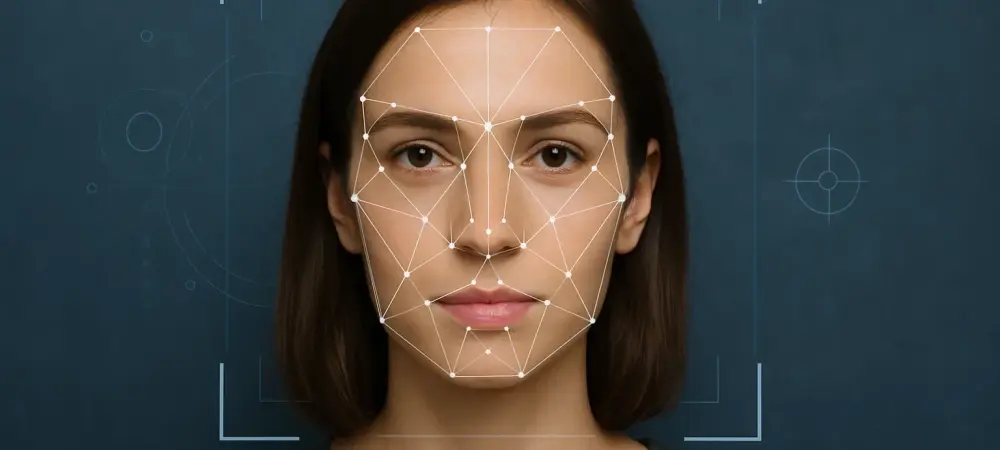
In a world heavily reliant on digital convenience, the recent Windows update has thrown a wrench into the seamless operation of Windows Hello, Microsoft’s facial recognition software, particularly when it comes to its performance in low-light conditions. Known for its quick unlocking capability across varied lighting environments, Windows Hello now faces criticism due to a fundamental shift in technology. By moving from reliance on infrared sensors to visible light cameras, the update has disrupted its performance in the dark, frustrating users who find themselves reverting to manual PIN or password inputs once again.
Impact on Users and System Variability
User Dissatisfaction and Accessibility Concerns
The backlash from affected users has been palpable, with complaints flooding online platforms like Reddit, Microsoft forums, and other social media channels. Remote workers and students, who often deal with dark environments, express their dissatisfaction with the new limitations on efficiency. Beyond mere inconvenience, this change also affects users with physical disabilities who relied on facial recognition for easy access. The update’s disconnection from infrared technology has diminished an essential accessibility feature, leaving a section of the user base grappling with added challenges not previously faced. Adding to the frustration is the lack of a standardized problem across all systems. Users with different hardware setups have reported varying experiences. It seems those equipped with higher-quality infrared cameras remain unaffected, suggesting that device specification plays a crucial role in the update’s impact. This inconsistency highlights potential gaps related to firmware, drivers, or even camera quality, especially affecting users of older or lower-cost devices. Such disparities only magnify users’ confusion and result in more vocal requests for solutions or at least greater transparency about these unintended consequences.
Speculative Origins and Calls for Clarity
Given the absence of an official explanation from Microsoft, theories regarding the root cause of this issue abound. Speculation ranges from changes in privacy settings to security-related adjustments or even efforts to standardize facial recognition protocols across its ecosystem. Regardless of the reasons, industry analysts emphasize the importance of clearer communication from Microsoft, not only to soothe current frustrations but also to preempt similar situations in future updates. Ignored or unexplained changes can breed mistrust among users, while a simple clarification might repair relations.
Requests for either a return to full infrared capability or an option to select the user-preferred recognition mode reflect a broader expectation for user-centric design. The problem serves as a cautionary tale for tech developers, underlining the balance needed between advancement in technology and user experience. For many, the incident drives home the reality that software updates should enhance rather than interrupt user experience, especially regarding accessibility unless improvements are adequately outlined and supported by user choices.
Broader Implications and Tech Update Challenges
Trust and Transparency in Software Updates
The broader tech landscape may learn from this episode, which emphasizes the importance of maintaining trust through transparent communication around updates. When updates alter core aspects of a widely used feature without prior notice, they can inadvertently compromise accessibility and user satisfaction. The surprise users faced with a change in functionality has fueled demands for a more open dialogue between software developers and their user base. Proactive communication about upcoming changes and robust feedback mechanisms might help alleviate potential issues before they amplify.
Microsoft’s initial assurances of further details have done little to placate users seeking immediate action rather than vague reassurances. This situation reveals the necessity for software developers to commit to clear, timely updates about digital environment adjustments. Proposed strategies could include beta testing with user communities to identify potential issues and determine real-world implications of their developments before universal deployment. Users expect a thorough evaluation of changes with a focus on minimizing unintended adverse effects on usability.
Accessibility and User-Centric Development
In our increasingly digital world, where convenience is key, the latest Windows update has caused problems with Windows Hello, Microsoft’s facial recognition software. This change specifically affects its performance in low-light conditions. Previously praised for its speedy and reliable unlocking ability across a variety of lighting scenarios, Windows Hello now finds itself the subject of user frustration. The root of this issue lies in a significant technological shift: the update transitioned from using infrared sensors to visible light cameras. While this change might have been intended to enhance certain capabilities, it has had an adverse effect on the software’s effectiveness in dark environments. Users accustomed to the ease of facial recognition unlocking are now facing the inconvenience of reverting to manual PIN or password inputs more frequently. This unexpected development has generated dissatisfaction among users, as the seamless experience they’ve come to rely on is disrupted, highlighting the importance of balancing innovation with reliability in software updates.