

The modern hardware ecosystem relies on a delicate contract of trust where consumers invest thousands of dollars into components with the expectation of reliable long-term support. As motherboards become increasingly complex, the role of authorized service centers has shifted from a secondary convenience to a critical pillar of hardware longevity. However, the global hierarchy of giants like MSI, ASUS, and Gigabyte often funnels repairs through regional third-party hubs, creating a disconnect between brand promise and local execution. The Return Merchandise Authorization (RMA) process serves as the primary metric for consumer trust in the enthusiast PC segment. When this system fails, the impact stretches beyond a single frustrated user. Cross-brand component contamination, such as using parts from a competitor during a repair, signals a breakdown in professional standards that devalues the secondary hardware market and erodes the perceived quality of the original manufacturer.
Analyzing the Shift in Consumer-Manufacturer RMA Dynamics
Rising Tensions in Warranty Fulfillment and Customer Experience
A visible trend of “RMA friction” has emerged as manufacturers increasingly scrutinize physical damage claims to mitigate repair costs. This defensive posture has fundamentally altered consumer behavior, leading to a new standard where enthusiasts meticulously document unboxing and shipping processes. By creating a digital trail of evidence, users attempt to shield themselves against potential service center errors or the denial of legitimate warranty claims.
Social media platforms have simultaneously become powerful tools for accountability, allowing systemic service failures to reach a global audience in minutes. This public transparency forces brands to address individual grievances that might have previously been dismissed by automated support systems. When a specific incident goes viral, it highlights the vulnerability of brand reputation to the quality control of its outsourced service partners.
Quantifying the Impact of Service Quality on Brand Loyalty and Market Growth
Market performance indicators consistently show that customer service satisfaction is a primary driver of long-term brand retention. As the DIY PC market continues to expand, high-end consumers are prioritizing “no-hassle” warranty policies over raw performance metrics. A single negative experience can permanently shift a buyer toward a competitor who offers more robust protection or more transparent communication during the repair cycle.
Financial implications for manufacturers extend far beyond the immediate cost of a motherboard replacement. Negligence at a service center incurs hidden costs, including repeated shipping fees, the labor required for refurbishment, and significant long-term brand damage. Brands that fail to oversee their third-party contractors effectively often find that the cost of lost customer lifetime value far outweighs the expense of a proper initial repair.
Navigating the Friction of Physical Damage Claims and Service Center Negligence
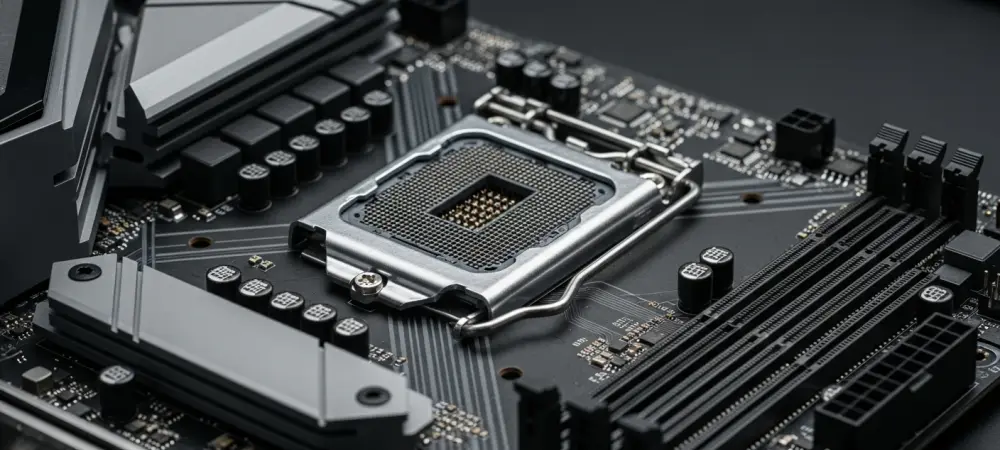
The issue of “crushed” CPU socket pins remains one of the most contentious areas of hardware repair due to the difficulty of assigning liability. Once a board leaves the protective environment of a factory or a user’s home, it enters a logistical gray area where any mishandling can lead to permanent damage. This reality makes it nearly impossible for a consumer to prove their innocence if a board arrives at a center in a damaged state without prior documentation. The absurdity of “frankensteined” hardware, illustrated by an ill-fitting ASUS socket cover appearing on an MSI board, highlights a profound lack of technical oversight. Such errors suggest that technicians may be prioritizing speed over precision, using whatever materials are at hand rather than following brand-specific protocols. These mismatched components often fail to provide the structural support necessary to protect sensitive pins during the return journey, exacerbating existing problems.
Consumer Rights and the Regulatory Framework Governing Hardware Warranties
Consumer protection laws in regions like Turkey and the European Union provide a legal framework designed to safeguard users against inadequate electronic repairs. These regulations generally stipulate that hardware must be returned in a condition that matches or exceeds its state upon arrival at the service center. However, navigating these legal channels requires a level of persistence and documentation that many average users find overwhelming during a standard dispute.
Industry standards for handling sensitive components are becoming a focal point for regulatory bodies concerned with electronic waste and consumer rights. There is growing potential for mandatory video logging of repairs to ensure technician accountability and provide an objective record of a component’s condition. Implementing such transparency would likely reduce the frequency of disputes and ensure that service centers adhere to the high standards expected by global hardware brands.
The Future of Quality Control and Automated Service Diagnostics
Technological integration is poised to revolutionize the service landscape through AI-driven visual inspection tools. These systems can automatically detect bent pins or incorrect components before a motherboard is packaged for return, effectively eliminating human error in the final stages of quality control. This shift toward automation promises to provide a more consistent experience, ensuring that every unit meets strict factory specifications before reaching the consumer.
Emerging market disruptors, including third-party warranty insurers, are beginning to offer alternatives to traditional manufacturer RMAs. These services often provide more comprehensive coverage, including protection against accidental physical damage that standard warranties exclude. As these alternatives gain traction, manufacturers will be forced to modernize their own service departments to remain competitive and maintain direct relationships with their customer base.
Final Verdict: Restoring Trust in the PC Hardware Lifecycle
The incident involving the Turkish service center exposed deep-seated vulnerabilities in the global repair network that undermined consumer confidence in the MSI ecosystem. It became clear that the traditional reliance on third-party hubs without rigorous brand-level oversight created an environment where negligence could flourish. Enthusiasts learned that their investments were only as secure as the documentation they maintained throughout the shipping process.
To prevent future failures, manufacturers moved to consolidate their service partnerships and implement more stringent auditing of regional hubs. The industry shifted toward a model where transparency and real-time tracking replaced the opaque “black box” of traditional repairs. This evolution ensured that the hardware lifecycle remained sustainable, turning a moment of crisis into a catalyst for a more accountable and consumer-centric service standard.