

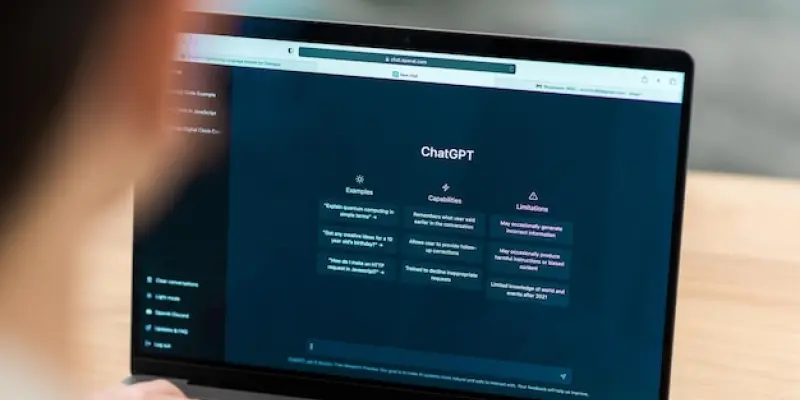
In today’s rapidly evolving technological landscape, artificial intelligence tools like ChatGPT are increasingly integral to both personal and professional spheres. Research conducted by the University of Chicago highlights a significant gender gap, indicating that women are 20 percentage points less likely to engage with this AI tool. This disparity poses questions about the underlying factors of reluctance or barriers faced by women concerning AI technologies.
Factors Influencing AI Adoption by Women
The issue of adoption friction is a key factor impacting women’s use of AI tools. Adoption friction encompasses various challenges, including unfamiliarity, lack of resources, or insufficient training opportunities, all contributing to lower engagement with AI. Dr. Juliet Bourke of the University of New South Wales points out that exposure to AI is frequently intertwined with workplace dynamics and job roles. Occupations predominantly held by women, such as those in human resources, education, and healthcare, typically experience less interaction with cutting-edge technologies. This limited exposure also results in fewer opportunities to engage with advanced AI tools like ChatGPT, reinforcing the cycle of apprehension and avoidance.
Moreover, vertical segregation within organizations exacerbates this issue, as roles permitting access to AI technologies are often senior-level positions predominantly occupied by men. In environments with greater technological integration, such as software development, women appear to adopt AI tools at higher rates due to increased familiarity with digital ecosystems. Thus, the nature of one’s profession and the organizational level can significantly influence the likelihood of AI adoption among women.
Social Dynamics and AI Interaction
Social dynamics also play a pivotal role in shaping women’s interaction with AI tools. Women’s social networks can inadvertently function as an alternative support system, decreasing reliance on AI tools for guidance or problem solving. Born from strong interpersonal connections, these networks provide a resource for advice and insights, potentially reducing the perceived necessity of AI assistance.
Additionally, the perception of AI as a nascent technology leads to skepticism regarding its capabilities, particularly when accuracy and empathy are crucial elements. Concerns surrounding security and confidentiality also hinder AI deployment in sensitive fields like education and human resources, where discretion is paramount. Despite its ability to enhance individual tasks such as transcription or fact verification, AI is less adept at managing collaborative functions, further questioning its practicality in teamwork-oriented settings.
Bridging the Gender Gap in AI Usage
The ongoing challenge of integrating AI equitably across gender lines requires strategic initiatives to bridge the gap in usage rates. Women leading the way in adopting AI, despite prevailing barriers, exemplify the potential for overcoming gender discrepancies. These pioneering figures demonstrate how engagement with AI can foster creativity, innovation, and problem-solving across various sectors.
Addressing educational and professional disparities is vital for encouraging broader adoption. By ensuring that women have access to training, support, and leadership opportunities within technology-rich fields, organizations can foster an environment where AI tools are accessible to all. As AI continues to mature, efforts focused on embracing diverse perspectives can ensure that its progress resonates with all demographics, reducing gender-specific resistance and paving the way for balanced and innovative AI integration.
Looking Forward
Adoption friction is a significant barrier to women’s engagement with AI tools, encompassing challenges like unfamiliarity, insufficient resources, and lack of training opportunities, often resulting in lower interaction levels. Accessibility to skill-building and training sessions profoundly influences one’s comfort with technology, yet these are often limited for women due to systemic issues. Dr. Juliet Bourke from the University of New South Wales highlights how workplace dynamics and job roles impact AI exposure. Jobs mainly occupied by women, such as those in human resources, education, and healthcare, generally see less interaction with advanced technologies, limiting opportunities to engage with AI tools like ChatGPT and perpetuating a cycle of apprehension.
Vertical segregation in organizations worsens this, with senior roles granting AI access often held by men. In tech-integrated environments, such as software development, women are more likely to adopt AI due to greater familiarity with digital tools. Hence, profession type and organizational level heavily influence AI adoption rates among women, underscoring the need for equal technological opportunities across all sectors.