

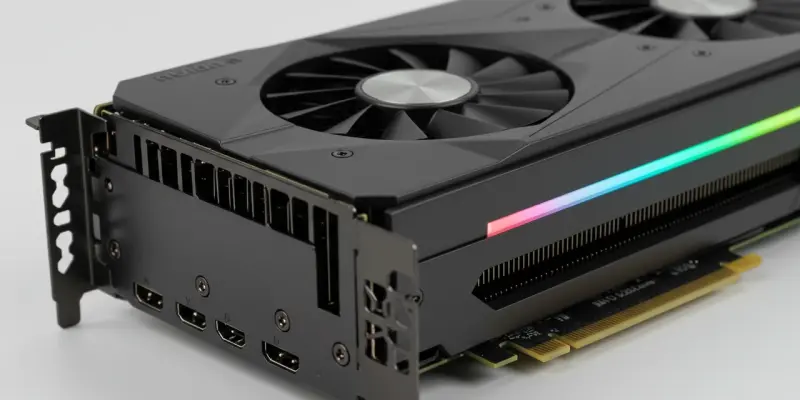
In recent months, a notable shift has occurred within the European market for Nvidia’s RTX 5090 graphics card, as its prices have noticeably declined. Initially marked by scarcity and inflated costs above the manufacturer’s suggested retail price (MSRP), the card has seen a reduction in several countries where it is now priced slightly below the MSRP. For instance, in Finland, the price dropped from €2,339 to €2,299. This emerging trend marks a significant change in availability and market dynamics, setting Europe apart from the United States, where availability remains limited and prices remain steady at the $1,999 MSRP. European consumers are experiencing improved stock levels and price adjustments, indicating a potential normalization process within the GPU market. However, this normalization has yet to extend across the Atlantic, leaving the U.S. market unchanged.
Changes in Currency Exchange and Retail Strategies
One of the major factors influencing the price drop of the RTX 5090 in Europe is the fluctuation in currency exchange rates and the strategic decisions of retailers. As the euro and pound have shifted in value, companies responded by adjusting their pricing strategies to align with these new conditions. In the UK, for example, the MSRP was reduced from £1,939 to £1,889, reflecting changes in exchange rates and making the card more accessible to consumers. Retailers have further incentivized potential customers by listing the product below this revised MSRP. This strategic pricing can be seen as a competitive move to attract buyers amid a competitive gaming hardware market, boosting sales and moving stock efficiently. The changes in Europe are contrary to the U.S., where tariffs and trade policies have contributed to sustained higher prices.
Stock Availability and Technical Concerns
The RTX 5090’s improved stock levels are significantly influencing market trends in Europe, shifting from scarcity to more stable distribution and enhanced supply management practices. This uptick in availability fosters a competitive retail environment potentially driving prices below MSRP. However, technical issues, notably cable melting incidents, still mar the GPU’s reputation, raising consumer concerns that could affect sales. Nvidia faces pressure to swiftly resolve these problems to maintain consumer trust. Together, these dynamics bring a period of stabilization to the European market, contrasting with the ongoing challenges in the U.S., where tariffs and continued scarcity persist. The European normalization is attributed to adjusting currency values, strategic retail approaches, and stock improvements, allowing consumers better access. On the other hand, persistent U.S. issues emphasize differing regional market dynamics, which may shape future strategies. This scenario also offers Nvidia an opportunity to enhance product reliability in technological evolution.