

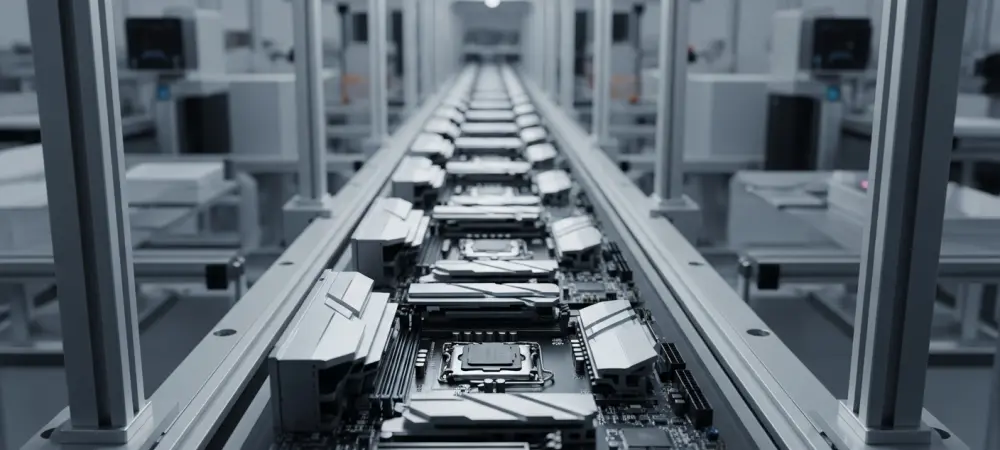
The rapid escalation in manufacturing costs for high-performance computing components has fundamentally altered the accessibility of PC hardware for the average consumer, shifting the market toward a luxury-tier pricing model. As of 2026, the cost of producing a standard mid-range motherboard has increased by nearly forty percent compared to previous hardware generations, driven by a combination of material scarcity and the necessity for more complex board layouts. These increases are not merely a result of temporary inflation but reflect a permanent shift in how motherboard manufacturers must approach the integration of high-speed data protocols and massive power delivery systems. For many years, a motherboard was viewed as a relatively simple platform for other components, yet today it has become one of the most sophisticated parts of any build, requiring specialized equipment and high-purity materials that were previously reserved for server-grade enterprise equipment only. This trend shows no signs of slowing down as consumers continue to demand higher bandwidth, lower latency, and more robust connectivity options for their professional and gaming environments.
Structural Demands of Modern Architecture
Circuitry Complexity: The Impact of High-Speed Standards
The introduction of the PCIe 6.0 interface has necessitated a complete overhaul of printed circuit board design, as the signals are now so sensitive that even minor imperfections in the substrate can lead to significant data loss or system instability. To counteract these physical limitations, manufacturers have had to transition from standard four-layer or six-layer boards to complex eight-layer or even twelve-layer configurations to ensure that high-frequency signals remain isolated and shielded from electromagnetic interference. Each additional layer adds substantial cost not only in terms of the raw fiberglass and resin materials but also in the manufacturing time and precision drilling required to connect these layers through tiny copper-lined holes known as vias. Furthermore, the use of low-loss materials like Megtron 6 or similar high-grade laminates has become mandatory for mid-range products, whereas they were once exclusively used in the most expensive flagship models, thereby raising the baseline price for every consumer looking to build a stable and future-proof computer system.
Material Costs: The Role of Commodity Pricing
Beyond the internal structure of the boards, the actual raw materials used in the production process have seen a consistent rise in price due to global demand and supply chain volatility. High-purity copper, which is essential for the thick traces required to carry massive amounts of electricity to modern processors, has become increasingly expensive to source and refine at scale. Similarly, the gold used for plating connectors to prevent oxidation and ensure long-term durability has hit new peaks, adding several dollars to the bill of materials for every single unit produced. When these material costs are compounded across millions of units, manufacturers have little choice but to pass the burden onto the end user to maintain their operational margins. This economic pressure is further exacerbated by the rising costs of the specialty chemicals and resins needed to bond the various layers together, creating a situation where the physical cost of the board itself is now a primary driver of the final retail price for enthusiasts.
Power Infrastructure and Market Realities
Voltage Regulation: Engineering for High Power Draw
As modern processors push the boundaries of power consumption, the voltage regulator modules found on contemporary motherboards have evolved into highly sophisticated power plants capable of delivering hundreds of amps with extreme precision. The components required for these systems, such as high-current smart power stages and premium alloy chokes, are significantly more expensive than the basic analog components used in the past. To prevent these parts from overheating under heavy loads, manufacturers must also include massive aluminum heatsinks and integrated thermal pads that add weight and cost to the final package. The engineering hours required to design a stable power delivery system that can handle the transient spikes of a modern high-end CPU have increased the research and development budget for every new chipset launch. Consequently, even a motherboard that lacks flashy features is still burdened by the high cost of the underlying electrical engineering required to keep the system running safely and efficiently.
Strategic Adaptation: Navigating the New Price Landscape
Strategizing for these market shifts required consumers to prioritize long-term platform longevity over frequent incremental upgrades to maximize the value of their hardware investments. Industry experts recommended that users evaluated their specific connectivity needs carefully before committing to high-end boards, as many realized that mid-tier options provided sufficient performance without the extreme price premiums of flagship models. The community also moved toward refurbishing high-quality older components and exploring modular designs that allowed for specific part replacements rather than total system overhauls. By shifting the focus toward efficiency and sustainable purchasing habits, it was possible to mitigate the financial impact of rising component prices while still maintaining access to the high levels of performance required.