

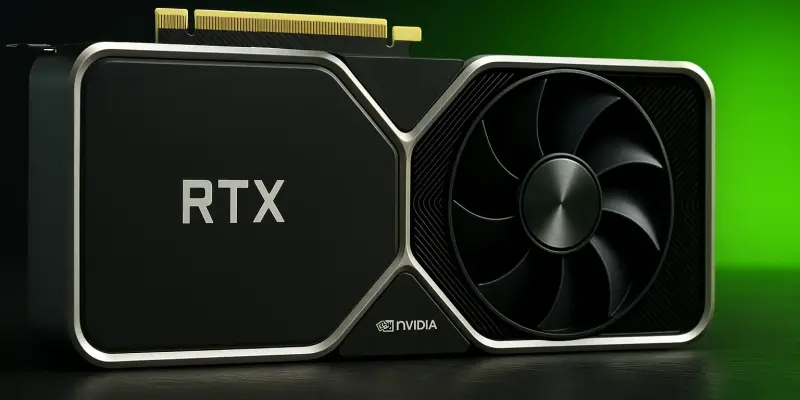
The technology landscape continues to grapple with unpredictable pricing trends, and recently, the focus has shifted to NVIDIA’s significant price hikes in graphics processing units (GPUs). These increases, particularly noticeable in the GeForce RTX 5090 model, stem from complex geopolitical and trade challenges affecting production and distribution. NVIDIA, well-known for its innovative breakthroughs in both gaming and artificial intelligence (AI) sectors, finds itself navigating these turbulent waters by making strategic adjustments. With a deliberate shift of manufacturing operations from Taiwan to the United States, NVIDIA has incurred additional costs which are being transferred to consumers. This article examines the underlying reasons for these price increases and dissects how geopolitical factors are influencing such corporate decisions.
Geopolitical Challenges and Production Shifts
NVIDIA’s decision to relocate its GPU production from Taiwan to the United States is primarily motivated by intensifying geopolitical tensions and a landscape fraught with trade tariffs. Taiwan has often been at the center of geopolitical disputes, making reliance on production in this region a risky proposition for global tech giants. By shifting manufacturing to begin within U.S. borders, NVIDIA aims to mitigate the risks associated with potential disruptions. However, this move has not come without financial repercussions. Production facilities in the United States generally entail higher operational costs, including labor, materials, and compliance with local regulations. As a result, consumer prices have surged, with the RTX 50 series experiencing a notable 10% to 15% increase across various retail platforms. These adjustments are made in an effort to cushion the financial blow from tariffs and export restrictions, striving to maintain profitability in a churning global market.
Impact on AI Accelerators and Consumer Appeal
NVIDIA’s pricing strategy impacts not only consumer GPUs but also AI accelerators like the ##00 and B200 models, crucial for server manufacturers and enterprises dependent on AI. These price increases ripple through the entire supply chain, pushing costs onto end users. This trend illustrates NVIDIA’s strategy to uphold stable profit margins amid external pressures. However, higher prices might make NVIDIA’s lineup less enticing to the broader market, possibly discouraging enthusiastic gamers and professional users. This could hinder the adoption of NVIDIA’s latest products, as consumers consider the value against increased expenses. The focus on maintaining revenue streams with higher pricing prompts vital questions about market demand and its elasticity under such pressures. As NVIDIA maneuvers through economic fluctuations to enhance its financial standing, consumers bear the burden of rising costs, highlighting the balance between profitability and satisfaction and its critical role in shaping NVIDIA’s path in the tech industry.