
Why Are AMD RX 9070 GPUs Missing in Steam Surveys?

Article Highlights
Off On

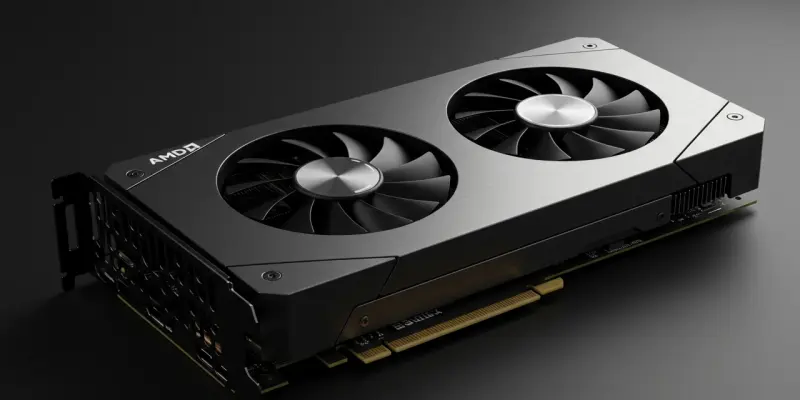
In an intriguing turn of events, AMD’s RX 9070 series GPUs have been noticeably absent from the Steam Hardware Survey for several months, despite being among the latest offerings in the market. NVIDIA’s RTX 5060 Ti, launched around the same time, has quickly secured a foothold in the gaming community, raising questions about AMD’s market presence. The RX 9070 series was anticipated to be a strong competitor given AMD’s successful track record with previous RDNA architectures. The Steam survey, though informative, is voluntary and can lead to skewed representation in the tech landscape. Consequently, the AMD RX 9070’s absence hints at underlying factors affecting its adoption rate. Meanwhile, NVIDIA’s consistent appearance signals a competitive edge, albeit the survey’s methodological limitations must be considered when interpreting these results. A deeper examination of market dynamics and consumer preferences might offer insights into why AMD’s offerings have not gained similar traction in this survey.

NVIDIA’s Market Dominance and AMD’s Challenges

The NVIDIA RTX 50 series, notably the RTX 5060 Ti, has seen impressive success, boasting nearly 2% market share in the Steam Hardware Survey. This reflects NVIDIA’s skill in appealing to gamers who depend on graphics processors renowned for outstanding performance and reliability. Meanwhile, the noticeable absence of AMD’s powerful RX 9070 series in these surveys prompts inquiries into consumer choices and product appeal. Possible reasons for this may include AMD’s emphasis on price-to-performance ratios, which may be eclipsed by NVIDIA’s strong marketing and established brand allegiance. Furthermore, factors like survey testing methods and the demographic makeup of Steam participants could complicate data interpretation. Thus, examining AMD’s retail sales data independently is crucial to assess the true popularity of the RX 9070 series. This absence in surveys doesn’t negate potential success in other areas. Analyzing market data comprehensively is key as AMD responds strategically to these challenges, highlighting the complex dynamics in the GPU market where consumer behavior, branding, and innovation intersect.

Explore more

How Can HR Resist Senior Pressure to Hire the Unqualified?

The request usually arrives with a deceptive sense of urgency and the heavy weight of authority when a senior executive suggests a “perfect candidate” who happens to lack every required credential for the role. In these high-pressure moments, Human Resources professionals find themselves caught in a professional vice, squeezed between their duty to uphold organizational integrity and the direct orders

Why Strategy Beats Standardized Healthcare Marketing

When a private surgical center invests six figures into a digital presence only to find their schedule remains half-empty, the culprit is rarely a lack of technical effort but rather a total absence of strategic differentiation. This phenomenon illustrates the most expensive mistake a medical practice can make: assuming that a high-performing campaign for one clinic will yield identical results

Why In-Person Events Are the Ultimate B2B Marketing Tool

A mountain of leads generated by a sophisticated digital campaign might look impressive on a spreadsheet, yet it often fails to persuade a skeptical executive to authorize a complex contract requiring deep institutional trust. Digital marketing can generate high volume, but the most influential transactions are moving away from the screen and back into the physical room. In an era

Hybrid Models Redefine the Future of Wealth Management

The long-standing friction between automated algorithms and human expertise is finally dissolving into a sophisticated partnership that prioritizes client outcomes over technological purity. For over a decade, the financial sector remained fixated on a zero-sum game, debating whether the rise of the robo-advisor would eventually render the human professional obsolete. Recent market shifts suggest this was the wrong question to

Is Tune Talk Shop the Future of Mobile E-Commerce?

The traditional mobile application once served as a cold, digital ledger where users spent mere seconds checking data balances or paying monthly bills before quickly exiting. Today, a seismic shift in consumer behavior is redefining that experience, as Tune Talk users now spend an average of 36 minutes daily engaged within a single ecosystem. This level of immersion suggests that