

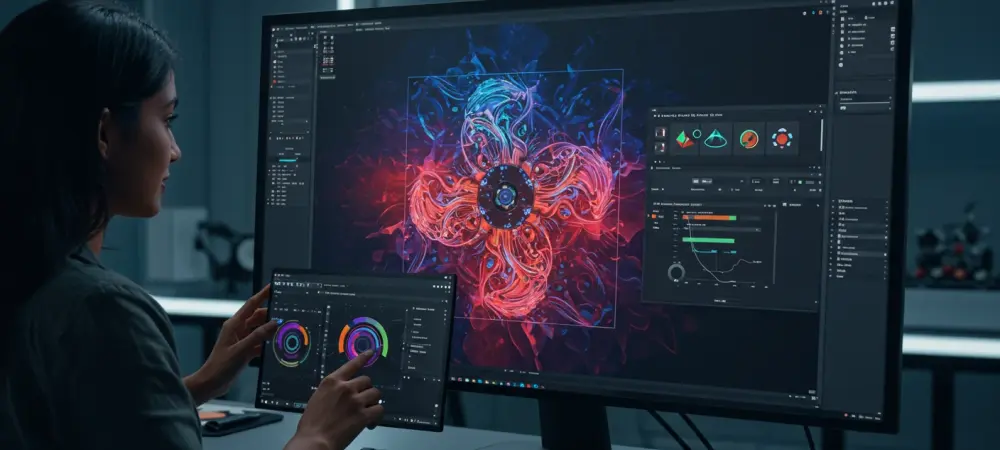
I’m thrilled to sit down with Dominic Jainy, a seasoned IT professional whose deep expertise in artificial intelligence, machine learning, and blockchain has made him a leading voice in the tech world. With a passion for exploring how cutting-edge technologies transform industries, Dominic is the perfect person to guide us through the rapidly evolving landscape of AI art generator tools in 2025. Today, we’ll dive into how these tools are reshaping creativity, the unique strengths of standout platforms, and the challenges and opportunities they present for artists and designers. From cinematic visuals to practical design solutions, Dominic shares his insights on navigating this exciting space.
How have AI art generators transformed the creative process for artists and designers in 2025 compared to just a few years back?
The transformation has been profound. A few years ago, AI art tools were more of a novelty—think basic image outputs with limited control. By 2025, they’ve become true creative partners. Artists and designers can input a vague idea and get back polished, inspiring visuals that push their concepts further. These tools now integrate creation and editing into a single workflow, saving hours of manual work. They’re not just automating tasks; they’re sparking new directions, especially for things like concept art or social media content, where speed and iteration are key.
What is it about these tools that makes them feel more like collaborators rather than just software?
It’s their ability to interpret and expand on human input. Unlike traditional software where you’re bound by strict parameters, AI art generators in 2025 take a prompt—sometimes just a sentence—and deliver something with depth, style, and nuance. They’re learning from vast datasets to mimic artistic intent, almost like brainstorming with a fellow creator. For instance, you might describe a “moody forest at dusk,” and the tool adds atmospheric details you hadn’t even considered. That kind of intuitive response feels very collaborative.
How do you see the balance between free plans and paid subscriptions affecting beginners who are new to AI art tools?
Free plans are a fantastic entry point—they let beginners experiment without financial risk, which is crucial for learning. Most tools in 2025 offer some free credits or limited generations, enough to test the waters. However, paid subscriptions often unlock higher quality, faster processing, and more control, which can be a game-changer even for new users with serious projects. The challenge is that free tiers can feel restrictive quickly, pushing beginners to upgrade sooner than they might be ready for. It’s a balancing act of accessibility versus capability.
What’s the most significant benefit of using AI art generators for fast-turnaround projects like social media graphics?
Speed, hands down. For social media, where trends move fast, these tools can take a basic idea and churn out a polished graphic in minutes. You’re not starting from scratch or spending hours tweaking layers in traditional design software. Tools like Canva Magic Media or Picsart let you generate an image and edit it in the same platform, streamlining the process. This means creators can keep up with daily posting demands or capitalize on viral moments without sacrificing quality.
What are some potential drawbacks of depending on AI tools for creative output that users should keep in mind?
One big drawback is the risk of losing originality. AI tools often draw from popular styles or patterns in their training data, so there’s a chance your work could look generic if you don’t customize prompts carefully. Another issue is over-reliance—some users might lean on the AI so much that they skip developing their own skills. Lastly, there’s the ethical angle: questions about data sources and copyright can be murky, so users need to be mindful of how they use and share AI-generated content.
Focusing on Midjourney, what do you think sets it apart when it comes to creating dramatic, cinematic visuals?
Midjourney has this incredible knack for producing images with a film-like quality—think rich shadows, dynamic lighting, and a sense of storytelling in every frame. It’s almost as if each output is a still from a blockbuster movie. This makes it perfect for concept artists or fantasy creators who need evocative mood boards or immersive scenes. Its default style leans into that dramatic flair, which isn’t something you see as consistently in other tools. It’s like having a cinematographer in your pocket.
How can users adapt Midjourney’s bold default style to align with a specific brand aesthetic?
It takes some finesse, but it’s doable. Midjourney’s strong aesthetic can dominate if you’re not precise with your prompts. Users should experiment with detailed descriptions—specify colors, textures, or even reference specific art styles that match the brand. Tweaking settings like aspect ratios or stylization levels also helps. It’s about iterating: start broad, see what the tool gives you, then refine with follow-up prompts until the output feels on-brand. Patience and experimentation are key here.
Turning to Adobe Firefly, why do you think it’s such a strong choice for those already working within the Creative Cloud ecosystem?
Firefly’s biggest strength is its seamless integration with tools like Photoshop and Illustrator. If you’re already in the Creative Cloud ecosystem, you don’t need to jump between platforms—Firefly lets you generate an image and immediately refine it in the same workflow. That’s a huge time-saver for professionals who rely on Adobe for design projects. It’s built to complement those apps, so the hand-off from AI generation to manual editing feels effortless compared to standalone tools.
What should users know about managing premium credits with Firefly, and how can they avoid unexpected limitations?
Premium credits in Firefly are tied to heavier tasks like high-res outputs or advanced features, and they’re limited based on your plan. Users need to track their usage closely, especially if they’re on a free or lower-tier plan with a small credit pool. My advice is to prioritize standard generations for early drafts and save premium credits for final outputs. Also, check how your plan allocates credits—some features burn through them faster than you might expect. Planning ahead prevents hitting a wall mid-project.
Looking at Stable Diffusion, what makes it a preferred option for those who crave maximum customization and control?
Stable Diffusion is like the open sandbox of AI art tools. It’s built for tinkerers and studios who want to dive deep into the nuts and bolts—think adjusting sampling steps, aspect ratios, or even training custom models. Unlike more user-friendly platforms, it gives you near-total control over the output, which is why it’s a favorite for those building tailored pipelines. It’s less about instant results and more about crafting exactly what you envision, which appeals to a specific, hands-on crowd.
How can users manage the varying credit costs with Stable Diffusion, especially when experimenting with different models or resolutions?
Credit costs with Stable Diffusion can fluctuate based on the model you’re using or the resolution you’re targeting—higher quality or larger images chew through credits faster. My tip is to start with lower-res tests or simpler models while you’re experimenting; that keeps costs down during the trial-and-error phase. Once you’re confident in your settings, scale up for final renders. Also, take advantage of any free credit allocations to get a feel for usage patterns before committing to bigger runs.
Finally, what’s your forecast for the future of AI art generators over the next few years?
I see AI art generators becoming even more intuitive and personalized. We’re likely to see tools that adapt to individual user styles over time, almost like they’re learning your creative fingerprint. Integration with other tech, like augmented reality or 3D modeling, could open up new frontiers for immersive art. I also expect more focus on ethical sourcing of training data and clearer guidelines around ownership. The challenge will be balancing accessibility with sustainability, but the potential for these tools to democratize creativity is limitless.