

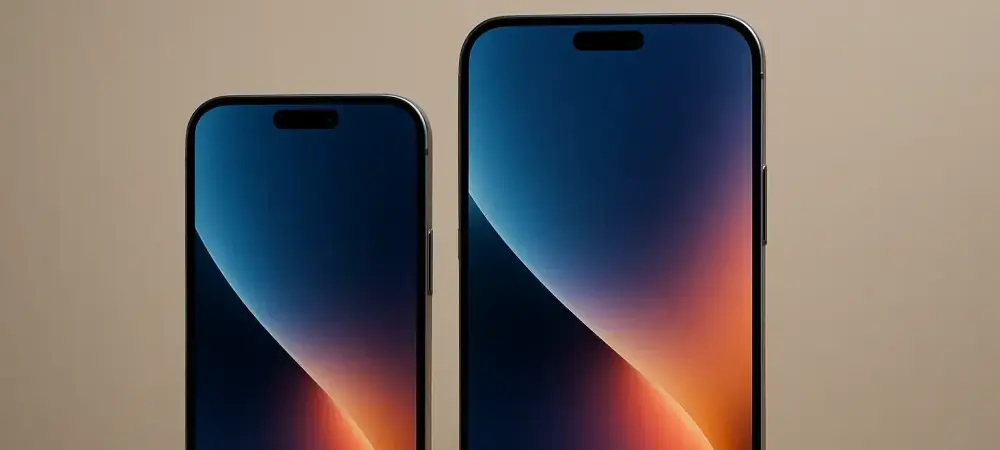
Imagine a smartphone so sleek it feels like a whisper in your hand, with a display so vivid it transforms every swipe into a cinematic experience. As Apple unveils the iPhone 17 lineup this year, the tech world is abuzz with speculation and excitement over larger screens, cutting-edge chips, and a software overhaul with iOS 26. This roundup dives into a collection of opinions, tips, and insights from various industry sources and tech enthusiasts to uncover what’s driving the hype. The purpose here is to synthesize diverse perspectives on how these innovations might reshape user experiences and set new benchmarks in the smartphone arena.
Hardware Innovations: What Sources Are Saying
Larger Displays Stirring Debate on Usability
Across multiple tech platforms, the rumored 6.3-inch 120Hz LTPO OLED screens for the iPhone 17 have sparked lively discussions. Many industry observers note that the standard inclusion of ProMotion technology across all models could elevate visual fluidity for everything from gaming to scrolling social feeds. However, some voices express concern over practicality, suggesting that bigger screens might challenge one-handed use, especially for users with smaller hands.
Differing views emerge on battery implications as well. While certain analysts predict that LTPO technology will optimize power consumption, others caution that larger displays could still strain battery life without significant capacity upgrades. This balance between immersive design and daily convenience remains a hot topic among tech communities, with anticipation building over how Apple might address these trade-offs.
A19 Chip Power: Performance Meets Skepticism
The A19 chip family, expected to power the iPhone 17 series, garners praise for its promised leaps in speed and efficiency. Tech blogs and forums highlight how this chipset, paired with innovations like 35W wired charging, could redefine multitasking and gaming experiences. Enthusiasts point out that Apple’s history of hardware optimization often translates to seamless performance even under heavy loads.
Yet, not all opinions are unanimously positive. Some industry watchers raise questions about supply chain reliability, noting that delays in chip production could hinder launch timelines. This mix of excitement for raw power and caution over logistical hurdles paints a nuanced picture of what users can expect from this performance upgrade.
Camera and Connectivity: Game-Changers or Niche Features?
Camera enhancements, including a 48MP main sensor and variable 5x-8x zoom on Pro models, have tech reviewers buzzing about new photography possibilities. Paired with Wi-Fi 7 for faster connectivity, these upgrades are seen by many as tools that could transform content creation and sharing on a global scale. Discussions often focus on how such features might appeal to creators and professionals looking to push boundaries.
Contrasting opinions surface regarding the relevance for casual users. A segment of commentators argues that these high-end specs might go unnoticed by everyday consumers who prioritize simplicity over technical prowess. This divide between niche appeal and broad accessibility underscores a key debate in evaluating the iPhone 17’s market impact.
iPhone 17 Air: Bold Design with Production Caveats
The rumored iPhone 17 Air, potentially the thinnest model yet at under 6mm with a titanium-aluminum frame, has captured attention for its focus on style. Many design-focused sources applaud this move as a statement of elegance, predicting it will attract users who value aesthetics over extensive functionality like multiple camera lenses. Speculation abounds on how this could signal a trend toward ultra-slim devices in the industry.
On the flip side, skepticism arises over production challenges. Several tech insiders point out that crafting such a delicate frame at scale might lead to supply shortages or quality inconsistencies. This tension between innovative design and manufacturing realities offers a critical lens on Apple’s risk-taking with this model.
Software Spotlight: iOS 26 Insights and Tips
App Integrations Sparking Productivity Hopes
Shifting to software, iOS 26 is generating chatter for its potential to deepen app integrations, with rumors of embedding tools like RedNote for real-time collaboration. Tech communities suggest this could turn the iPhone into a hub for productivity, blending social engagement with practical features like AI-driven annotations. Such advancements are often hailed as a step toward a more connected user ecosystem.
Practical tips for leveraging these features are already circulating. Users are encouraged to explore beta versions of community apps to familiarize themselves with integration possibilities before the official rollout. This proactive approach could help maximize the software’s benefits from day one, especially for those in collaborative or creative fields.
Staying Ahead of the Launch Curve
With the expected launch event around mid-September, sources advise preparing for pre-orders to secure early access to iPhone 17 and iOS 26 features. Many recommend monitoring Apple’s official channels for updates on pricing, rumored to start at $799 for the base model, to plan budgets accordingly. This urgency reflects the competitive nature of securing new releases amidst high demand.
Additionally, some tech forums suggest backing up existing devices and clearing storage to ensure a smooth transition to the new operating system. These actionable steps, shared across various platforms, aim to help users navigate the excitement and potential chaos of launch day with ease.
Competitive Edge and Market Implications
Apple’s Blueprint Under Scrutiny
Analysts across the board recognize Apple’s strategy of blending design elegance with performance boosts as a blueprint for maintaining market dominance. The iPhone 17’s rumored features, from larger displays to Wi-Fi 7, are often cited as setting a high bar for competitors over the next few years, from 2025 to 2027. This forward-thinking approach is seen as a way to keep users within Apple’s ecosystem.
However, differing perspectives emerge on accessibility. While some sources praise the balance of premium features with a reasonable starting price, others question whether niche models like the iPhone 17 Air might alienate budget-conscious consumers. This spectrum of views highlights the challenge of catering to diverse market segments.
Challenges and Consumer Anticipation
Supply chain constraints, particularly for the ultra-slim Air variant, are a recurring concern among industry commentators. Many point out that production hiccups could dampen initial availability, frustrating eager buyers. This logistical angle contrasts with the overwhelming consumer anticipation seen on social platforms, where excitement for faster charging and improved cameras dominates conversations.
A balanced take from various tech hubs suggests that while Apple’s innovations are poised to impress, managing expectations around rollout timelines will be crucial. This mix of enthusiasm and caution reflects the broader sentiment surrounding the iPhone 17’s place in today’s competitive landscape.
Final Reflections and Next Steps
Looking back, this roundup captures a dynamic range of opinions on the iPhone 17 and iOS 26, from admiration for larger, smarter displays to concerns over production challenges. The insights gathered reveal a shared optimism for performance leaps via the A19 chip, tempered by practical debates on usability and accessibility. Diverse perspectives paint a comprehensive picture of Apple’s latest endeavor, highlighting both its potential and its pitfalls.
For those eager to dive deeper, exploring tech blogs and forums for ongoing discussions proves invaluable in staying updated. Considering test runs of community apps rumored to integrate with iOS 26 offers a hands-on way to prepare for the shift. Ultimately, keeping an eye on Apple’s announcements in the coming weeks helps ensure no detail is missed as this groundbreaking release unfolds.