

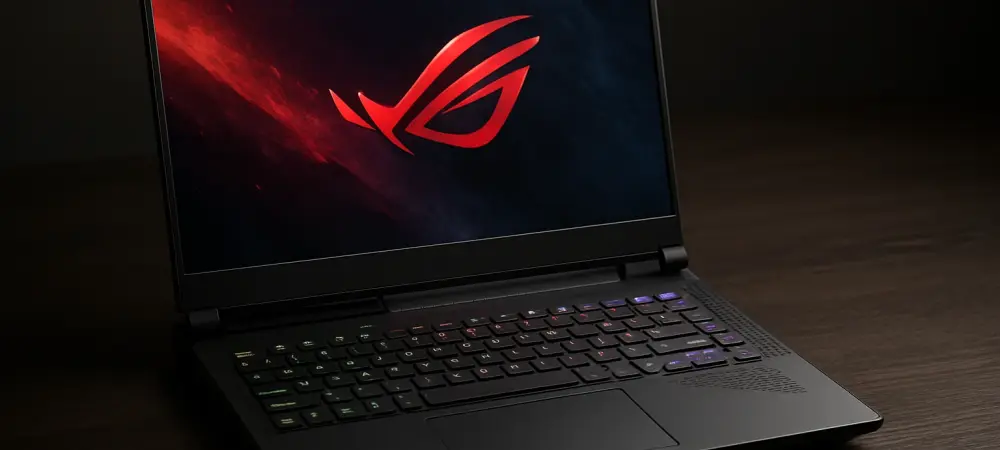
What does it take to dominate the gaming world in 2025, where every frame, every pixel, and every second counts? Picture a laptop that doesn’t just keep up with the latest AAA titles but obliterates them with raw power, leaving competitors in the dust. The Asus ROG Strix Scar 16 emerges as a titan in this arena, blending cutting-edge hardware with a design that demands attention. This machine isn’t just a tool; it’s a statement for gamers and creators who refuse to settle for anything less than extraordinary.
Why This Laptop Commands the Spotlight
In a market saturated with high-performance gaming laptops, standing out requires more than just impressive specs. The Asus ROG Strix Scar 16 captures the essence of what modern gamers crave: a seamless fusion of power, portability, and personality. It’s not merely about playing games; it’s about experiencing them in a way that feels immersive and personal, tailored to the needs of competitive players and content creators alike.
This device matters now because it addresses a critical shift in gaming culture. As esports and streaming continue to grow, the demand for laptops that rival desktop setups has never been higher. The Scar 16 steps up as a solution, offering a platform that supports 4K editing, high-frame-rate gameplay, and a visual flair that resonates with the gaming community’s evolving tastes.
The Rise of Gaming Laptops in Today’s Arena
Gaming has transformed from a niche hobby into a global phenomenon, with laptops becoming the go-to choice for players who value mobility without compromise. The Asus ROG Strix Scar 16 arrives at a pivotal moment, catering to a generation of users who expect their devices to handle everything from intense multiplayer battles to professional-grade creative tasks. Its significance lies in how it bridges the gap between stationary powerhouses and on-the-go convenience.
Unlike many predecessors, this laptop tackles common pain points head-on. Issues like thermal throttling and outdated components, which often plague portable systems, are addressed with innovative engineering. By aligning with current trends toward enhanced displays and customizable aesthetics, the Scar 16 positions itself as a benchmark for what gaming laptops should aspire to be in 2025 and beyond.
Inside the Machine: Power and Features Unleashed
Diving into the core of the Asus ROG Strix Scar 16 reveals a beast built for domination. Equipped with Intel’s Core Ultra 9 275HX processor and Nvidia’s GeForce RTX 5080 or 5090 Laptop GPUs, it delivers staggering performance, pushing frame rates above 80-120 fps in demanding titles like Cyberpunk 2077 with high settings and DLSS 4.0 enabled. Add up to 64GB of DDR5-5600 RAM, and multitasking becomes effortless, even under heavy workloads.
Beyond raw power, the visual experience sets a new standard. A 16-inch Mini LED HDR display with 2.5K resolution, a 240Hz refresh rate, and 1,200 nits of brightness brings games and media to life with over 2,000 dimming zones and 100% DCI-P3 color coverage. The design, too, screams innovation—think an AniMe Vision display on the lid with over 8,000 LED holes for animations, paired with a 360-degree RGB light bar and a durable magnesium alloy frame. Cooling is equally impressive, with a larger vapor chamber, three fans, and liquid metal paste reducing temperatures by up to 15 degrees Celsius compared to older models, ensuring sustained performance during marathon sessions.
Practicality hasn’t been overlooked either. A per-key RGB keyboard offers stellar feedback, while a 36% larger glass touchpad includes a digital numpad option for versatility. Though a slight drawback exists in the choice of PCIe Gen 4 SSDs over Gen 5, the overall package—complete with a tool-less rear panel for upgrades—marks this laptop as a standout in both form and function.
Real Voices, Real Impact
Feedback from those who’ve tested the Asus ROG Strix Scar 16 paints a vivid picture of its capabilities. Tech reviewers have been quick to praise its display, with one expert calling the Mini LED panel “a revelation for laptop screens,” noting how its brightness and color accuracy rival high-end desktop monitors. This isn’t just hype; the visual fidelity transforms everything from gaming to professional editing.
Gamers, too, have shared their experiences, highlighting the thermal efficiency as a game-changer. A user remarked, “After six straight hours of play, the keyboard stayed cool enough to keep going without a break—something no other laptop has managed for me.” Such testimonials align with Asus’s claims of significant temperature reductions, building confidence in the machine’s reliability. The buzz around customizable features like the AniMe Vision display further cements its appeal, resonating with enthusiasts who value individuality in their gear.
Unlocking the Full Potential: Tips for Users
Maximizing the Asus ROG Strix Scar 16’s prowess requires a few strategic moves. Start by leveraging the Armoury Crate software to switch between performance modes like Turbo for gaming or Silent for lighter tasks, ensuring optimal power delivery when plugged in. This flexibility allows users to balance performance with energy efficiency based on their immediate needs.
Customization plays a huge role in enhancing the experience. Utilize Aura Sync to tailor RGB lighting across the keyboard and light bar, or animate the lid’s AniMe Vision to reflect personal style or game themes. For heat management, keep vents unobstructed and consider a cooling pad during extended play, complementing the already robust thermal design. Upgrading storage or RAM is a breeze thanks to the accessible rear panel, though opting for a PCIe Gen 5 SSD could push speeds further. Finally, fine-tune Dolby Atmos audio and HDR display settings to match specific environments, ensuring every detail—visual or auditory—shines through.
Reflecting on a Game-Changing Era
Looking back, the journey with the Asus ROG Strix Scar 16 proved to be a defining moment for gaming technology in 2025. It stood as a testament to how far portable power had come, offering a glimpse into a world where laptops could truly rival desktops without compromise. The blend of raw performance, striking design, and user-centric features left a lasting impression on what was possible.
For those ready to elevate their gaming or creative pursuits, the next step was clear: explore this machine’s potential firsthand. Consider how its innovations could transform specific workflows or competitive edges, and weigh the investment against long-term gains. As technology continued to evolve, staying ahead meant embracing tools like this one, built not just for today but for the challenges of tomorrow.