

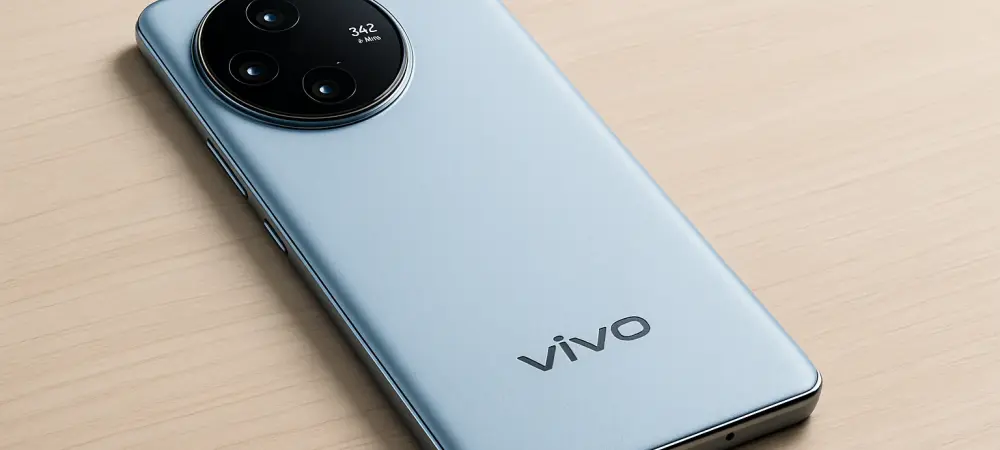
A steady stream of regulatory filings and performance benchmarks is painting an increasingly clear picture of a device poised to challenge the established hierarchy of the smartphone world. The Vivo V70, anticipated as the successor to the well-regarded V60, is emerging from the realm of rumor into a tangible contender, with leaked specifications suggesting a significant leap in mid-range performance. As details coalesce from multiple international sources, the profile of this upcoming handset signals a potential disruption for consumers seeking premium features without a flagship price.
Is the Mid-Range Market Facing a Redefinition
The contemporary smartphone landscape is characterized by a narrowing performance gap between flagship and mid-range tiers. Consumers are increasingly discerning, seeking devices that deliver robust processing power, advanced camera systems, and modern connectivity without the associated premium cost. This trend has put immense pressure on manufacturers to innovate within the mid-range segment, creating a highly competitive environment where value and performance are paramount.
The success of this strategy hinges on balancing cutting-edge components with accessible pricing. Devices that can successfully integrate next-generation chipsets, superior displays, and versatile camera arrays are not just alternatives but compelling challengers to more expensive models. The impending launch of a device like the Vivo V70 is therefore watched closely, as it serves as a barometer for how aggressively manufacturers are willing to push the boundaries of what a mid-range phone can offer.
The Anticipation for Vivo’s Next V-Series Contender
Vivo’s V-series has carved out a significant niche by consistently delivering a near-premium experience focused on camera prowess and elegant design. Each new iteration is expected to build upon this legacy, and the V70 carries the weight of its predecessor’s success. The Vivo V60 set a high bar with its 1.5K 120Hz AMOLED display and a Zeiss-tuned triple camera system, features typically reserved for higher-end devices.
Consequently, expectations for the V70 are not merely for an incremental update but for a meaningful evolution. The anticipation is fueled by the prospect of Vivo integrating a brand-new chipset, potentially the Snapdragon 7 Gen 4, which could elevate the V-series from a strong camera phone to a comprehensive performance powerhouse. This positions the V70 as a pivotal release for the brand and the market segment it competes in.
A Speculative Profile of the Vivo V70
At the core of the excitement is the rumored Snapdragon 7 Gen 4 system-on-a-chip. Leaked benchmarks point to an octa-core architecture featuring a powerful prime core clocked at 2.8GHz, complemented by a trio of performance cores and four efficiency cores. This setup, paired with an Adreno 722 GPU, suggests a substantial boost in both processing and graphical capabilities, promising smoother gaming, faster app performance, and more efficient handling of demanding media tasks. The performance potential is further quantified by its appearance on Geekbench, where a device believed to be the V70 posted a single-core score of 1,235 and a multi-core score of 3,920. These figures place it firmly in the upper echelon of the mid-range category, rivaling the performance of some older flagship models. When coupled with configurations that include up to 12GB of RAM and 256GB of storage, these scores translate into a tangible user experience defined by fluid multitasking and near-instantaneous responsiveness.
Beyond raw power, the V70 appears poised for the future with a comprehensive connectivity suite, including 5G, Wi-Fi 6, NFC, and modern Bluetooth standards. Perhaps most notably, it is expected to launch with Android 16 running beneath Vivo’s OriginOS 6, offering users the latest software features and security enhancements from day one. While display and camera specifics remain unconfirmed, the device is expected to at least match, if not exceed, the V60’s impressive 6.77-inch 120Hz AMOLED panel and its versatile Zeiss-tuned camera array.
The Evidence Behind the Speculation
These preliminary specifications are not baseless conjecture but are grounded in a trail of official documentation. A key piece of evidence is the certification of a Vivo handset with the model number V2538 by Singapore’s Infocomm Media Development Authority (IMDA). This same model number has also appeared in the US FCC database, corroborating its existence and confirming its connectivity features. Such regulatory filings are standard procedure for devices nearing a commercial launch.
The performance metrics originate directly from the public Geekbench database, which provides a detailed look at the chipset’s core configuration and the device’s memory capacity. When these disparate sources—regulatory approvals from different continents and a public performance benchmark—all point to a device with the same model number and a consistent set of specifications, it creates a compelling and credible preview of what is to come.
What This Means for Prospective Buyers
For consumers seeking performance that punches above its price class, the Vivo V70 is shaping up to be a device worth watching. The combination of a next-generation Snapdragon 7 series chipset and ample RAM could deliver a user experience that blurs the line between mid-range and premium tiers, making it an attractive option for mobile gamers and power users on a budget.
For the everyday user, the appeal lies in its forward-looking design. The inclusion of Android 16 and the latest connectivity standards like Wi-Fi 6 ensures the device will remain relevant and capable for years to come. Ultimately, the collected data painted a portrait of a well-rounded and powerful smartphone. Prospective buyers who valued a balance of performance, modern software, and advanced features found a compelling case for waiting for Vivo’s official announcement, where the final details on its camera, display, and pricing would complete the picture.