

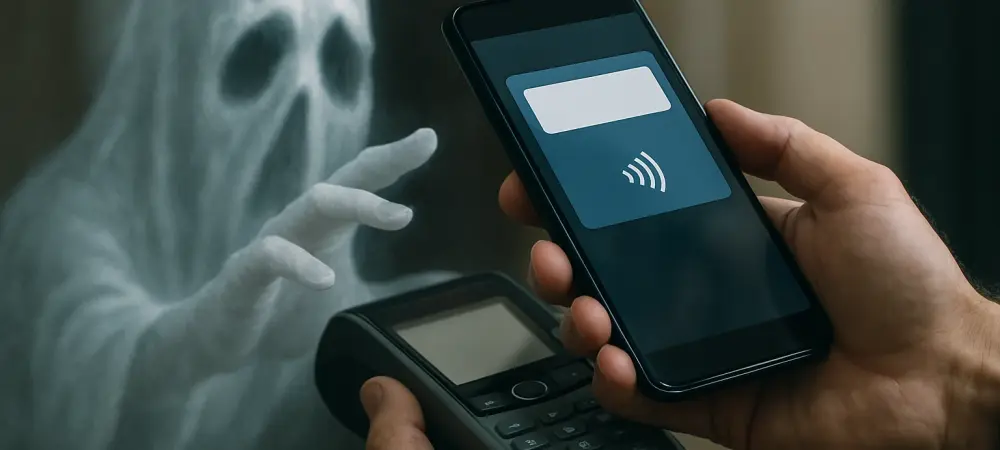
Imagine walking into a store, tapping a phone to make a quick contactless payment, only to later discover that the transaction was made with stolen card data by a cybercriminal halfway across the world. This alarming scenario is becoming a reality through a sophisticated fraud technique known as ghost-tapping. Emerging from regions like Southeast Asia, where contactless payments have surged in popularity, this method allows criminals to exploit digital wallets such as Apple Pay and Google Pay. By intercepting one-time authentication codes, fraudsters load stolen credit card information onto disposable devices, often referred to as burner phones. These devices are then used to make unauthorized purchases at retail locations or even withdraw cash from compatible ATMs. The seamless nature of contactless technology, while convenient for legitimate users, has inadvertently opened a door for such illicit activities, posing a significant threat to the security of digital payment systems worldwide.
The Mechanics Behind Ghost-Tapping Fraud
Delving deeper into how ghost-tapping operates reveals a chilling level of sophistication among cybercriminals. The process begins with acquiring stolen credit card data, often through phishing schemes or data breaches, which is then paired with intercepted authentication codes meant to secure digital wallet transactions. Criminals utilize burner phones to mimic legitimate user devices, enabling them to bypass security protocols with alarming ease. Beyond the technology, organized crime networks play a pivotal role by providing the infrastructure for these scams, including access to phishing software and marketplaces for trading fraudulently obtained goods. Initially coordinated through platforms with lax oversight, these groups have adapted to stricter security measures by shifting to more obscure communication channels. This underground economy thrives on constant innovation, with advertisements and recruitment efforts for ghost-tapping schemes proliferating in hidden corners of the internet, making it a persistent challenge for authorities to track and dismantle.
The Broader Impact of Cybercrime-as-a-Service
The rise of ghost-tapping is emblematic of a larger trend in cybercrime, often described as cybercrime-as-a-service, where organized syndicates offer tools and expertise for a fee, much like a legitimate business model. This service-based approach not only amplifies the scale and frequency of fraud but also lowers the barrier for aspiring criminals by providing ready-made resources like malware, ransomware, and reusable burner phones. Such a structure complicates law enforcement efforts, as the true identities of perpetrators remain obscured behind layers of networked operations. The adaptability of these groups, who swiftly change tactics and platforms to evade detection, underscores the growing sophistication of cyber threats. With the global adoption of contactless payment systems showing no signs of slowing, the potential for ghost-tapping to become a widespread issue looms large. Looking back, efforts to curb this menace have had to focus on strengthening authentication protocols and disrupting underground markets, while emphasizing the need for international cooperation to address an ever-evolving digital threat landscape.