

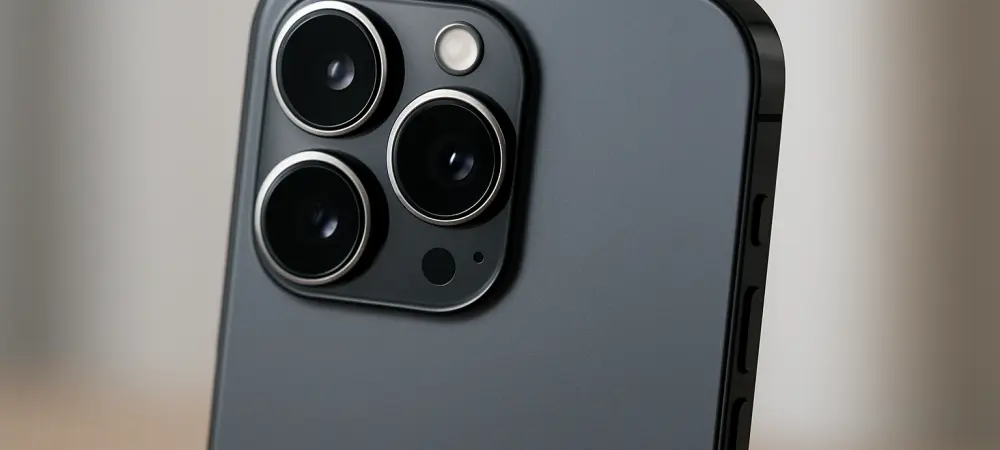
What if a smartphone could capture the world with the precision of a professional camera, rendering bulky equipment obsolete, and offer such advanced built-in tools that third-party apps become unnecessary? Picture a device that zooms into distant landscapes with crystal clarity, sparking excitement among enthusiasts and professionals alike. The tech world is buzzing with speculation about the iPhone 17 Pro, a device rumored to redefine mobile photography. Leaks and whispers suggest Apple is gearing up to push the boundaries of what a smartphone camera can achieve. This exploration dives into the hottest rumors surrounding these potential upgrades, separating hype from possibility.
Why Smartphone Cameras Are the Heart of Innovation
In an era where every moment is shared through stunning visuals on social platforms, the camera has become the soul of a smartphone. For content creators, influencers, and even casual users, the ability to snap high-quality images or record cinematic videos is no longer a luxury—it’s a necessity. Apple’s Pro lineup has long been a benchmark for imaging excellence, catering to a wide spectrum of users. With competitors like Samsung and Sony upping their game, the pressure is on for Apple to deliver groundbreaking features in the iPhone 17 Pro, ensuring it remains a leader in a cutthroat market.
The significance of these advancements extends beyond mere specs. Smartphone cameras now shape how stories are told, from viral TikTok clips to professional-grade documentaries shot entirely on handheld devices. A survey by Statista revealed that over 90% of smartphone users consider camera quality a top factor in their purchasing decision, highlighting the critical role of imaging tech. If the rumored upgrades materialize, they could solidify Apple’s position as the go-to choice for visual storytellers, meeting the escalating demands of a visually driven world.
Zooming into the Future: The 8x Optical Leap
Among the most tantalizing rumors is the potential jump to an 8x continuous optical zoom for the iPhone 17 Pro, a significant step up from the 5x telephoto lens in its predecessor. This feature could offer a seamless focal range, speculated to span from 85mm to 170mm with a variable aperture, rivaling the capabilities of devices like the Sony Xperia 1 VII. Such a leap would bring DSLR-like flexibility to a pocket-sized device, allowing users to capture distant subjects—think wildlife or sports events—with unparalleled detail.
Imagine framing a shot of a soaring eagle from hundreds of yards away or zooming in on a performer at a concert without losing sharpness. This rumored zoom capability could transform how users approach photography in challenging scenarios. While details remain unconfirmed, industry insiders suggest this upgrade aligns with Apple’s ongoing push toward optical excellence, potentially setting a new standard for smartphone cameras. The possibility alone has tech enthusiasts eagerly awaiting further leaks or official announcements.
A Pro App to Rule Them All
Another whisper making rounds is the development of a dedicated pro camera app tailored for advanced users. This native software might reduce dependence on third-party tools like Halide or Filmic Pro, offering robust controls for photos and videos directly from Apple’s ecosystem. Though it’s unclear whether this will be a standalone app or an enhancement to existing software, the intent seems to be empowering professionals with intuitive, built-in features.
For filmmakers and photographers, this could mean streamlined workflows—no more toggling between apps to adjust exposure or focus manually. A native app with pro-level precision could save time during shoots, whether capturing a short film or snapping editorial shots. If true, this move would signal Apple’s commitment to catering to high-end users, potentially redefining how professionals integrate smartphones into their creative processes. The anticipation for such a feature underscores the growing overlap between mobile devices and traditional camera gear.
Ergonomic Edge: A Second Camera Button
A less flashy but equally intriguing rumor points to a second camera button positioned on the top of the iPhone 17 Pro. This design tweak could enhance usability, particularly for shooting in portrait orientation, making it easier to snap photos or record videos in diverse setups. Such an addition reflects a focus on practical ergonomics, addressing subtle pain points in real-world use.
Consider the ease of capturing a quick street shot while holding the phone vertically, or switching angles during a video without fumbling for controls. This small change, if implemented, could make a noticeable difference in accessibility, especially for users who frequently alternate between orientations. While not as headline-grabbing as zoom upgrades, this rumored feature hints at Apple’s attention to detail, ensuring the device adapts to varied user habits and shooting styles.
What the Experts Think About the Hype
Speculation about these features stems from an anonymous tipster with alleged insider knowledge, sparking discussions across tech forums and analyst circles. While the claims are compelling, skepticism prevails due to the lack of corroboration from other sources. Industry voices, including insights from Bloomberg’s Mark Gurman, have previously emphasized Apple’s focus on enhancing video capabilities in upcoming models, which partially aligns with these leaks but offers no direct confirmation.
Analysts remain cautious, noting that past iPhone rumors have had mixed outcomes—some proved accurate, while others fizzled out. The consensus is to temper excitement with patience, as unverified leaks often stir more questions than answers. Until more concrete evidence emerges, the tech community continues to debate the feasibility of an 8x zoom or a pro app, keeping anticipation high but grounded in reality. This balance of hope and doubt fuels ongoing conversations about Apple’s next big reveal.
Imagining the Impact on Your Photography Game
Should these rumored features come to life, they could reshape the photography experience for iPhone 17 Pro users in tangible ways. An 8x continuous optical zoom might enable breathtaking shots of far-off subjects, perfect for travel or nature enthusiasts aiming to capture intricate details without additional gear. Testing this at a local park or event could reveal just how transformative such a range might be for everyday use.
A native pro camera app could simplify complex shoots, allowing content creators to fine-tune settings like shutter speed or focus directly on the device. Picture a vlogger adjusting exposure on the fly during a bustling city shoot, bypassing the need for external software. Meanwhile, the second camera button might offer newfound flexibility, letting users experiment with angles during casual photowalks. Though speculative, these possibilities suggest a device designed to elevate creativity and control, catering to amateurs and experts alike.
Reflecting on a Vision That Captivated
Looking back, the speculation surrounding the iPhone 17 Pro’s camera upgrades painted a vivid picture of innovation, stirring excitement across the tech landscape. The whispers of an 8x optical zoom, a dedicated pro app, and ergonomic design tweaks hinted at a device poised to push mobile photography into uncharted territory. Each rumored feature carried the promise of bridging the gap between smartphones and professional gear, captivating a wide audience.
As discussions unfolded, the balance between skepticism and anticipation shaped a narrative of cautious optimism. Moving forward, the next step was clear: keeping an eye on emerging leaks or official reveals to see which of these ideas would materialize. For photographers and tech enthusiasts, the journey involved staying engaged with updates, ready to test new tools that could redefine how moments were captured. The potential impact lingered as a reminder of technology’s power to evolve, urging all to watch closely for what Apple had in store.