

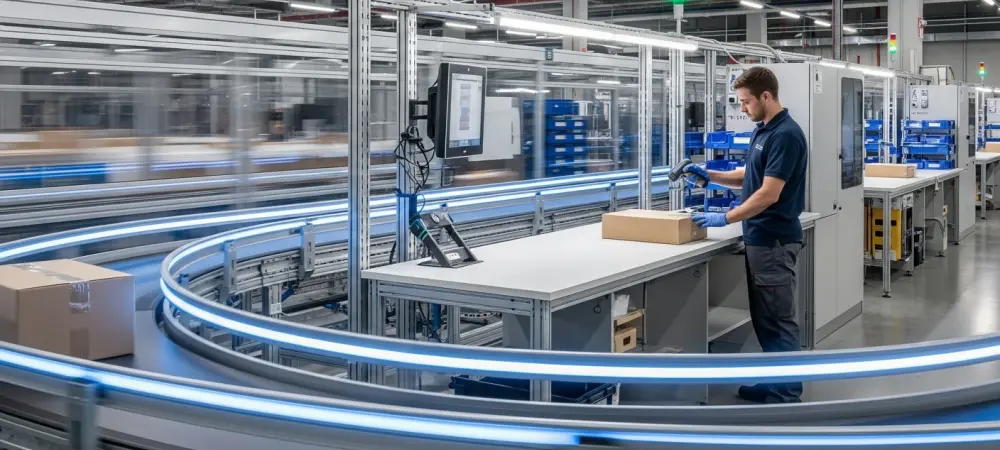
The silent precision of a modern fulfillment center masks a chaotic reality where a single digit error in a digital ledger can derail thousands of miles of transit and destroy a brand’s hard-earned credibility in minutes. In a marketplace where consumer expectations for immediate delivery and total transparency have reached an all-time high, the margin for error has narrowed to a razor-thin line. The modern warehouse no longer functions as a static room for boxes, but as a high-velocity engine where every second saved and every mistake avoided translates directly into bottom-line profitability. To navigate this high-stakes environment, businesses have turned to sophisticated digital frameworks to replace the outdated, paper-based logs that have become massive liabilities.
The fundamental shift in logistics centers on the realization that manual tracking is no longer sustainable in a global economy. When a single package goes missing or a shipment is delayed due to poor visibility, the ripple effect moves far beyond a simple lost sale; it damages the long-term relationship between the brand and its customers. Consequently, precision is no longer just a goal but the baseline for survival. Modern organizations view the digital oversight of their physical assets as a prerequisite for success, ensuring that every movement within the four walls of the facility is optimized for maximum efficiency and speed.
The High Cost of a Single Missing Package in a Next-Day World
The financial impact of a fulfillment error extends far beyond the cost of the physical item itself. In an environment where next-day or even same-day delivery is the gold standard, the logistical gymnastics required to rectify a misplaced order involve expedited shipping fees, customer support labor, and the potential loss of future business. Research indicates that a significant percentage of consumers will take their business elsewhere after a single negative shipping experience, making fulfillment accuracy a critical component of brand loyalty. A misplaced item in a warehouse is not just a storage issue; it is a breakdown in the trust that connects a company to its global audience.
Furthermore, the operational drag caused by manual recovery efforts can paralyze a facility. When warehouse staff must stop their routine tasks to search for a “ghost” inventory item, the productivity of the entire team drops. These inefficiencies accumulate over time, leading to higher labor costs and missed shipping deadlines. The reliance on paper logs or disparate spreadsheets creates a fog of war where managers cannot make informed decisions about inventory replenishment or labor allocation. In contrast, businesses that embrace digital transparency can identify and resolve bottlenecks before they impact the final customer experience.
The shift toward total digital accountability has transformed the warehouse from a cost center into a strategic asset. By eliminating the guesswork associated with manual data entry, companies can achieve near-perfect fulfillment rates. This level of reliability allows for tighter inventory management, reducing the amount of capital tied up in excess stock. When every package is tracked with laser-like precision, the organization gains the agility to respond to market fluctuations without the fear of internal operational collapse. This strategic pivot ensures that the supply chain remains a competitive advantage rather than a source of constant frustration.
Why the Central Nervous System of Logistics is Evolving
As global supply chains become more fragmented and specialized, the need for a robust digital infrastructure has moved from a luxury to a mandatory requirement. Modern warehouses act as the central nervous system of logistics, handling a staggering variety of stock-keeping units across diverse channels like e-commerce, wholesale, and brick-and-mortar retail. Without a Warehouse Management System to coordinate these moving parts, the risk of data silos and inventory inaccuracies increases exponentially. A digital core allows for the synchronization of physical movement with electronic records, providing managers with a real-time window into their operational health.
The complexity of contemporary logistics is further compounded by the rise of multi-channel fulfillment strategies. A single facility might be tasked with picking individual items for online orders while simultaneously prepping large-scale pallets for international shipping. This diversity of tasks requires a level of coordination that manual processes simply cannot provide. The transition to a Warehouse Management System enables the intelligent grouping of tasks, allowing workers to minimize travel time and maximize their output. By digitizing the workflow, the system acts as a guide, ensuring that every employee is performing the right task at the most opportune moment.
Moreover, the evolution of these systems is driven by the necessity for better labor management. In a market where labor can be both expensive and scarce, optimizing the existing workforce is paramount. A Warehouse Management System provides granular data on employee performance, identifying areas where additional training might be needed or where processes could be streamlined. This data-driven approach to human resources ensures that the warehouse operates as a cohesive unit, reducing burnout and improving overall morale. When the central nervous system of the facility is healthy, the entire organization moves with greater speed and purpose.
Navigating the Spectrum of Modern WMS Architectures
The diversity of the modern business landscape means that a one-size-fits-all approach to software is largely ineffective. Organizations must navigate a wide spectrum of Warehouse Management System architectures, each tailored to specific operational needs and scales. For many specialized facilities, a standalone system provides deep, concentrated features that focus solely on warehouse tasks like picking, packing, and shipping. These platforms offer an intense level of control over the physical environment, making them a favorite for third-party logistics providers who require highly specific inventory management tools to serve multiple clients simultaneously.
In contrast, the rise of cloud-based or Software-as-a-Service models has revolutionized how smaller and mid-sized enterprises approach logistics. The cloud model provides the agility to add new users or distribution centers in minutes rather than months, ensuring that the software never becomes a bottleneck for expansion. This democratization of high-level logistics technology has allowed boutique brands to compete with industry giants on a global stage.
Larger multinational corporations often find that integrating their warehouse operations directly into an Enterprise Resource Planning module is the most effective strategy. This architecture ensures that data flows seamlessly between the warehouse, the finance department, and the sales team. When a customer clicks “buy,” the warehouse is notified instantly, and the accounting records are updated in real-time. While these integrated systems may occasionally lack the hyper-specific features of a standalone platform, the total visibility they provide across the entire organization is invaluable for maintaining a unified corporate strategy.
The Transformative Power of Data-Driven Logistics and Automation
The most significant advantage of a modern Warehouse Management System lies in its ability to create a “single source of truth” for all inventory data. By centralizing information, these systems eliminate the common problem of conflicting records between different departments. This level of accuracy allows for advanced techniques like intelligent inventory balancing, where stock is strategically moved between regional sites based on localized demand patterns. When managers can see exactly what they have and where it is located, they can optimize their storage space and reduce the overhead associated with carrying excess inventory. Artificial Intelligence and machine learning are now pushing the boundaries of what these systems can achieve by providing predictive analytics that anticipate demand surges. Instead of reacting to a sudden spike in orders, managers can use data-driven insights to prepare their staff and stock levels in advance. This proactive approach to logistics ensures that the warehouse is always one step ahead of the market. Furthermore, the integration of software with robotic hardware allows for a seamless handoff between human workers and automated picking arms or autonomous mobile robots.
In high-volume fulfillment centers, the connection between a Warehouse Management System and a Warehouse Execution System allows for real-time task balancing. This ensures that no single area of the facility becomes overwhelmed, as the software can dynamically reroute labor and machinery to address bottlenecks as they form. This level of connectivity creates a smart ecosystem where every component—from the sorting conveyor to the final shipping terminal—works in perfect harmony. The result is a dramatic increase in fulfillment accuracy and a significant reduction in the time it takes for a product to move from the shelf to the customer’s doorstep.
A Strategic Framework for Selecting Your Digital Infrastructure
The organizations that successfully navigated this digital transition realized that the selection of a Warehouse Management System was far more than a software acquisition; it was a fundamental shift in operational philosophy. These businesses invested the necessary time to conduct rigorous internal audits, identifying specific friction points within their daily workflows before committing to a platform. They examined order volumes, SKU counts, and future growth projections to ensure the chosen system could handle the demands of a changing market. By mapping out these requirements early, they avoided the common pitfall of outgrowing their digital tools within a few years of implementation. Integration was another critical factor that successful planners prioritized during the selection phase. They understood that a Warehouse Management System must communicate effectively with existing accounting software, transportation management tools, and e-commerce platforms. The goal was to create a cohesive ecosystem where data could be shared instantly across the entire supply chain. By ensuring that their digital infrastructure was interconnected, these companies gained a holistic view of their business, allowing them to make faster and more accurate decisions regarding procurement and distribution.
Finally, the most resilient companies focused on the long-term scalability and support of their chosen technology. They sought out vendors that provided regular updates and a clear roadmap for future innovation, particularly in the realms of automation and data science. This forward-looking approach ensured that the warehouse remained a competitive engine even as technology continued to evolve. Ultimately, the successful implementation of these systems allowed companies to pivot from a state of reactive troubleshooting toward a position of proactive, data-informed leadership within the global supply chain, setting a new standard for operational excellence that defined the industry.