

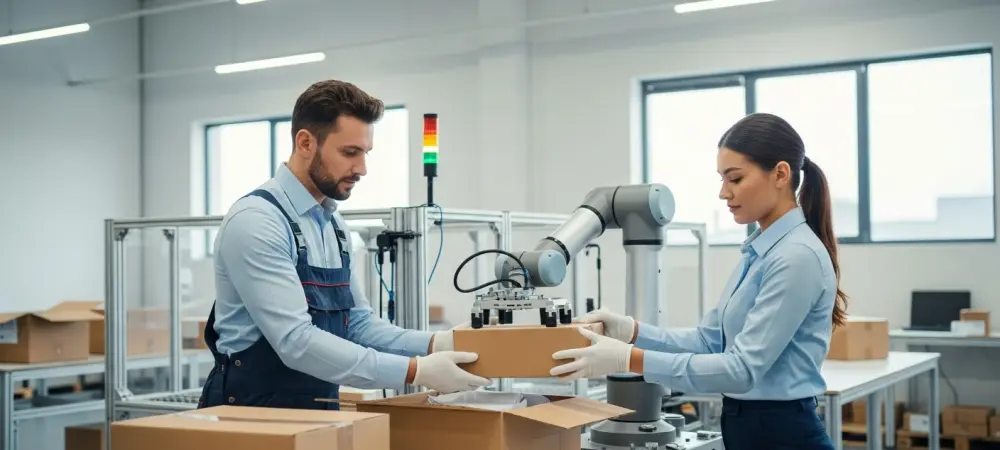
The global warehouse automation market’s valuation at nearly $30 billion signifies not just substantial growth but a fundamental transformation in how supply chains operate, promising to nearly double to almost $60 billion by 2030. This rapid expansion reflects a critical shift where warehouses, once viewed as simple cost centers for storage, are now being re-engineered as strategic assets that dictate delivery speed, customer satisfaction, and overall profitability. As persistent labor shortages and accelerating e-commerce demands intensify pressure on businesses, operations are being rethought from the ground up, placing automation at the core of modern logistics strategy.
This review explores the evolution of warehouse automation technology, dissects its key features and performance metrics, and analyzes its profound impact across various industrial applications. It aims to provide a comprehensive understanding of the technology’s current capabilities and its trajectory toward future development. The integration of robotics, artificial intelligence, and sophisticated software is no longer a niche advantage but a foundational element for building resilient and competitive supply chains in an increasingly complex global market.
Defining the Modern Automated Warehouse
The Evolution from Manual to Autonomous Operations
The journey of the warehouse from a manual-intensive environment to a hub of autonomous activity has been a multi-generational process. The traditional era was characterized by paper pick lists, human-operated forklifts, and reactive replenishment strategies, where efficiency was limited by human speed and accuracy. This model, while functional for its time, created operational bottlenecks and was highly susceptible to error, making it unsuitable for the demands of modern commerce.
The introduction of semi-automated systems marked the next significant phase, bringing barcode scanners, conveyor systems, and basic Warehouse Management Systems (WMS) into the fold. These tools improved tracking accuracy and streamlined certain workflows but remained heavily dependent on a human workforce to guide and execute tasks. The contemporary, fully automated era represents a paradigm shift, leveraging AI-driven orchestration, Autonomous Mobile Robots (AMRs), Automated Storage and Retrieval Systems (AS/RS), and predictive analytics to create a self-optimizing ecosystem.
Core Principles Automation vs Mechanization
Understanding the distinction between automation and mechanization is crucial to grasping the strategic value of modern warehouse solutions. Mechanization involves the use of machinery to assist human labor, augmenting physical capabilities without fundamentally altering the decision-making process. A conveyor belt, for instance, mechanizes the movement of goods but still relies on operators to place and remove items. This approach improves efficiency incrementally but does not remove the dependency on direct human involvement for each step. Automation, in contrast, refers to systems designed to perform tasks with minimal human intervention. An automated system makes decisions, navigates complex environments, and executes workflows based on software-defined logic. AMRs navigating a facility to retrieve goods and deliver them to a packing station are a prime example of automation. This level of operational independence allows for continuous, 24/7 operations and a degree of precision and speed that mechanization alone cannot achieve.
The Strategic Shift from Cost Center to Value Driver
Historically, warehouses were perceived as necessary but costly operational burdens, with a primary focus on minimizing storage and labor expenses. Today, that perception has been inverted. An automated warehouse is a powerful value driver, directly influencing a company’s ability to compete on speed, accuracy, and scalability. By enabling same-day delivery models and maintaining near-perfect order accuracy, automation enhances the customer experience and builds brand loyalty.
This strategic transformation is also financial. Automation directly addresses the largest operational expenditure in most warehouses: labor, which can account for 50–70% of the budget. By optimizing workflows and reducing dependency on manual tasks, businesses can significantly lower their cost per order. Furthermore, intelligent space utilization through systems like AS/RS can defer or eliminate the need for costly real estate expansion, turning the warehouse into a lean, high-throughput asset that actively contributes to revenue growth.
A Breakdown of Key Automation Technologies
Robotic and Mechanical Hardware
The physical backbone of the automated warehouse consists of a diverse range of robotic and mechanical hardware designed for specific tasks. Autonomous Mobile Robots (AMRs) and Automated Guided Vehicles (AGVs) are at the forefront, navigating facility floors to transport goods, while robotic picking arms provide the dexterity needed for item-level fulfillment. These systems are complemented by advanced storage solutions like AS/RS, which use cranes and shuttles to manage inventory in high-density configurations, increasing usable space by up to 40%.
Beyond mobility and storage, other hardware plays a critical supportive role. Collaborative robots, or “cobots,” are designed to work safely alongside human employees, assisting with tasks like packing and palletizing. Meanwhile, sophisticated conveyor and shuttle systems create an integrated network for moving goods seamlessly between different functional areas of the warehouse. The combined effect of this hardware is a physical environment engineered for continuous flow and maximum efficiency.
Software and Intelligence Platforms
Hardware alone is inert without the sophisticated software and intelligence platforms that orchestrate its operations. At the core of this digital ecosystem are Warehouse Management Systems (WMS), which manage inventory data, order information, and basic logistics. However, modern warehouses increasingly rely on more advanced layers, such as a Warehouse Execution System (WES) to optimize workflows in real time and a Warehouse Control System (WCS) to direct the physical movements of the automated equipment. The most transformative element is the integration of Artificial Intelligence (AI) and Machine Learning (ML). These technologies power forecasting engines that predict demand, optimize inventory placement, and orchestrate the entire fleet of robots for maximum throughput. Cloud-native software architectures are becoming standard, offering the scalability and flexibility needed to adapt to fluctuating demand. This intelligent software layer acts as the central nervous system of the warehouse, making autonomous decisions to enhance productivity and responsiveness.
Integration and Connectivity Layers
For hardware and software to function as a cohesive unit, a robust integration and connectivity layer is essential. This layer ensures seamless communication between disparate systems, from robots and sensors to enterprise-level management platforms. The Internet of Things (IoT) is a key enabler, with sensors embedded throughout the facility providing real-time data on everything from equipment status to environmental conditions. Technologies like Radio-Frequency Identification (RFID) offer granular inventory tracking, improving accuracy and visibility.
The reliability of this connectivity is paramount, which is why next-generation technologies like 5G are gaining traction in warehouse environments. 5G offers the low latency and high bandwidth required to coordinate large fleets of robots and process massive data streams without delay. An API-first architecture further simplifies integration, allowing different systems from various vendors to communicate through standardized protocols. This interconnectedness is what transforms a collection of individual technologies into a truly intelligent and unified automated system.
Emerging Trends and Innovations
The Rise of AI and Machine Learning Orchestration
The application of Artificial Intelligence and Machine Learning is evolving from isolated functions to comprehensive orchestration platforms that manage the entire warehouse ecosystem. These advanced systems are capable of analyzing real-time data from across the operation—including order volumes, inventory levels, robot locations, and even potential equipment failures—to make dynamic, system-wide decisions. This moves beyond simple task assignment to holistic optimization, where the AI can re-route robots to avoid congestion or re-prioritize orders based on shipping deadlines.
This trend is particularly powerful in facilities that use equipment from multiple vendors. An AI orchestration layer can harmonize the operations of a mixed fleet of robots, ensuring they work together efficiently rather than in silos. As these platforms become more sophisticated, they will enable warehouses to become self-optimizing, continuously learning from operational data to improve workflows, predict bottlenecks, and adapt to unforeseen disruptions with minimal human oversight.
Robotics-as-a-Service and Flexible Automation
One of the most significant barriers to automation adoption has historically been the high upfront capital investment. The Robotics-as-a-Service (RaaS) model directly addresses this challenge by offering automation capabilities on a subscription basis. This allows businesses to deploy advanced robotic solutions without a massive initial expenditure, shifting the cost from a capital expense (CapEx) to a more manageable operational expense (OpEx). RaaS lowers the barrier to entry, making powerful automation accessible to small and mid-sized businesses.
This model also introduces a new level of flexibility. Companies can scale their robotic fleet up or down to match seasonal demand, paying only for the capacity they need. This agility is crucial in volatile markets like e-commerce, where peak seasons can place extreme strain on fixed infrastructure. RaaS, therefore, is not just a financing model; it represents a strategic shift toward more adaptable and resilient warehouse operations that can evolve with business needs.
Digital Twins and Predictive Analytics
The concept of the digital twin is a game-changing innovation for warehouse management and optimization. A digital twin is a virtual, real-time replica of a physical warehouse, including its layout, equipment, inventory, and operational workflows. This model is continuously updated with data from IoT sensors, allowing managers to visualize operations, simulate changes, and test new strategies in a risk-free environment. For instance, a company could model the impact of a new AMR fleet or a different picking strategy before committing to the physical implementation.
Coupled with predictive analytics, digital twins become even more powerful. By analyzing historical and real-time data, these systems can forecast potential issues, such as equipment maintenance needs or future bottlenecks during an anticipated demand spike. This proactive approach allows for predictive maintenance, preventing costly downtime, and enables managers to make data-driven decisions to optimize resource allocation and ensure smooth operations long before problems arise.
Industry-Specific Applications and Use Cases
E-commerce and Retail Fulfillment
For the e-commerce and retail sectors, speed and accuracy are paramount competitive differentiators. Automation is the key enabler of modern fulfillment models like same-day and next-day delivery. Goods-to-person systems, powered by AMRs and AS/RS, drastically reduce order cycle times by eliminating the 70% of a picker’s time that is typically spent walking. These technologies can improve fulfillment speeds by up to 300% while pushing order accuracy to 99.9%, significantly reducing costly returns.
Furthermore, the rise of micro-fulfillment centers (MFCs)—small, highly automated hubs located in urban areas—is a direct result of these technological advancements. MFCs leverage compact automation to process online orders for rapid local delivery or in-store pickup. This strategy allows retailers to meet consumer expectations for immediacy while managing inventory more efficiently across their network.
Third-Party Logistics Operations
Third-Party Logistics (3PL) providers operate in a highly competitive market where efficiency, scalability, and value-added services are critical for client acquisition and retention. For 3PLs, warehouse automation is a strategic investment that delivers a powerful return on investment, often within 18 to 36 months, through labor cost reductions of 20% to 50%. By automating repetitive tasks, 3PLs can offer more competitive pricing while improving service levels for their clients.
Moreover, technology itself has become a key selling point. A 3PL with a state-of-the-art automated facility can handle higher volumes, offer greater accuracy, and provide the flexibility to scale operations up or down based on a client’s changing needs. This technological capability allows 3PLs to serve a diverse range of industries, from fast-moving e-commerce to complex, compliance-heavy sectors, making automation a cornerstone of their competitive advantage.
Manufacturing and Just-in-Time Inventory
In manufacturing, warehouse automation is integral to supporting lean production principles like just-in-time (JIT) inventory management. Automated systems ensure that raw materials and components are delivered to the production line precisely when needed, minimizing on-site inventory, reducing carrying costs, and freeing up valuable factory floor space. AGVs and AMRs are commonly used to transport materials from the warehouse to assembly stations, creating a seamless and reliable flow that reduces production downtime.
Automation also enhances traceability and quality control within the manufacturing supply chain. Automated storage and tracking systems provide a clear, real-time record of every component, which is crucial for industries with strict regulatory requirements. By integrating the warehouse directly with production systems, manufacturers can create a highly synchronized and responsive operation that improves overall efficiency and output.
Food, Beverage, and Pharmaceutical Logistics
The food, beverage, and pharmaceutical industries face unique logistical challenges, including strict temperature controls, batch and expiration date tracking, and rigorous regulatory compliance for traceability. Automation provides the precision and consistency required to meet these demands effectively. Automated systems can operate flawlessly in refrigerated or frozen environments that are challenging for human workers, ensuring the integrity of the cold chain.
Furthermore, the data management capabilities of an automated warehouse are invaluable for these sectors. WMS and WES platforms can automatically track lot numbers and expiration dates, enabling first-expired, first-out (FEFO) inventory management to minimize spoilage and waste. In the event of a recall, these systems can quickly identify and isolate affected products, ensuring consumer safety and regulatory compliance with unparalleled accuracy and speed.
Implementation Challenges and Mitigation Strategies
Addressing High Capital Investment and ROI Concerns
The most frequently cited barrier to adopting warehouse automation is the significant upfront capital investment, with over 40% of businesses identifying cost and ROI concerns as major obstacles. The price tag for a comprehensive system, including hardware, software, and integration, can be substantial, making it difficult for many organizations to secure the necessary budget. Decision-makers often require a clear and compelling business case that demonstrates a tangible return on this investment over a reasonable timeframe.
To mitigate these financial hurdles, companies can pursue several strategies. A phased deployment approach allows for incremental investment, starting with high-impact, lower-cost solutions like AMRs in a specific zone before scaling up to a full AS/RS implementation. Additionally, alternative financing models like Robotics-as-a-Service (RaaS) and equipment leasing are gaining popularity. These options convert a large capital expenditure into a predictable operating expense, making advanced automation accessible without draining capital reserves.
Overcoming System Integration Complexity
Another significant challenge is the technical complexity of integrating various automated systems with existing enterprise software, such as an Enterprise Resource Planning (ERP) or a legacy WMS. A lack of interoperability between solutions from different vendors can lead to data silos, inefficient workflows, and implementation delays. A poorly planned integration can negate the potential benefits of automation, resulting in a system that is less efficient than the manual process it was intended to replace.
The key to overcoming this complexity lies in careful planning and a focus on modern, API-first architectures. Choosing solutions with open and well-documented APIs facilitates smoother communication between different software platforms. Conducting a thorough discovery phase with an experienced integration partner is critical to map out all data flows and system dependencies. Finally, running a pilot project in a controlled environment allows teams to identify and resolve integration issues on a small scale before a full-scale rollout.
Managing Workforce Transition and Change
The introduction of automation inevitably brings about significant changes to job roles and daily workflows, which can lead to resistance and anxiety among the workforce. If not managed properly, this human element can undermine the success of an implementation project. Employees may fear job displacement or struggle to adapt to new technologies and processes, leading to decreased morale and productivity. Successful adoption is as much about people as it is about technology.
Effective change management is the most critical strategy for a smooth workforce transition. This begins with transparent and continuous communication from leadership, explaining the reasons for automation and framing it as a tool to augment human capabilities, not replace them. Providing comprehensive training and upskilling programs is essential to prepare employees for new roles, such as robotics supervision, system maintenance, and data analysis. Organizations that actively engage their employees in the process report significantly higher success rates, as a supported workforce is more likely to embrace and champion the new technology.
Future Outlook The Warehouse of 2030
Towards Fully Autonomous Lights-Out Facilities
Looking toward the end of the decade, the concept of the “lights-out” warehouse—a fully autonomous facility that can operate 24/7 with virtually no human presence on the floor—is moving closer to reality. This vision is predicated on the convergence of advanced robotics, pervasive AI orchestration, and hyper-connected IoT infrastructure. In such a facility, every process, from receiving and put-away to picking, packing, and shipping, would be executed by intelligent machines.
The business case for such facilities is compelling: maximum operational uptime, dramatic reductions in labor costs, and unparalleled levels of efficiency and safety. While widespread adoption is still several years away, pioneering companies are already implementing elements of this model in select operations. By 2030, these lights-out warehouses will likely become a competitive standard in high-volume sectors like e-commerce and grocery fulfillment, redefining the physical and economic landscape of logistics.
Advancements in Human-Robot Collaboration
While the lights-out model represents one future trajectory, another equally important trend is the advancement of human-robot collaboration. The warehouse of 2030 will not necessarily be devoid of people; rather, it will be an environment designed for seamless interaction between humans and intelligent machines. Technologies like collaborative robots (cobots), augmented reality (AR) vision picking systems, and wearable devices will empower employees, making their work safer, less physically strenuous, and more productive.
In this collaborative model, robots will handle the repetitive, physically demanding tasks like lifting and transporting heavy goods, while humans will focus on higher-value activities that require dexterity, problem-solving, and quality control. AR glasses could overlay picking instructions directly in a worker’s field of vision, guiding them with perfect accuracy. This symbiotic relationship will not only boost efficiency but also transform warehouse jobs into more skilled, technology-focused roles.
Sustainability and Energy-Efficient Automation
As environmental, social, and governance (ESG) criteria become increasingly central to corporate strategy, sustainability will be a major driver of warehouse automation design by 2030. Future automation solutions will be engineered not just for speed and efficiency, but also for minimal environmental impact. This includes the development of energy-efficient robots that can operate longer on a single charge, as well as AI-powered energy management systems that optimize power consumption across the entire facility.
Furthermore, automation will enable more sustainable practices. For example, high-density storage systems reduce a warehouse’s physical footprint, leading to lower energy usage for lighting, heating, and cooling. Optimized routing for AMRs can minimize energy consumption per task. By integrating sustainability into their design, the automated warehouses of the future will help companies achieve both their operational and their environmental goals, creating a more resilient and responsible supply chain.
Final Assessment and Strategic Recommendations
Summary of Key Findings
The review of warehouse automation solutions revealed a technology that had moved beyond a nascent concept to become a mature and essential component of modern logistics. The analysis confirmed that these systems consistently delivered significant operational improvements, including order accuracy rates exceeding 99%, fulfillment speed increases of up to 300%, and labor cost reductions between 20% and 40%. The distinction between simple mechanization and true automation was found to be a critical factor in achieving transformative results, with intelligent software orchestration acting as the primary value multiplier. Emerging trends like RaaS and digital twins were identified as key enablers, lowering financial barriers and reducing implementation risks for a wider range of businesses.
Evaluating Automation Readiness for Your Business
The decision to invest in automation was determined to be less about whether to adopt it and more about when and how. An organization’s readiness could be assessed by several key indicators: labor costs exceeding 50% of the warehouse budget, persistent challenges with order accuracy impacting customer satisfaction, physical space constraints limiting growth, and an inability to scale effectively during peak seasons. The investigation suggested a tiered approach, where smaller operations could begin with foundational WMS and barcode systems, while mid-sized facilities could introduce AMRs, and larger enterprises could pursue fully integrated AS/RS and AI-driven solutions. A successful strategy was one that aligned the level of automation with specific operational pain points and strategic goals.
The Verdict on Warehouse Automation as a Competitive Advantage
Ultimately, warehouse automation was judged to be a definitive competitive advantage. In an environment defined by intense customer expectations and chronic labor shortages, businesses still operating with largely manual processes faced a growing and unsustainable competitive gap. Automation was no longer merely a tool for incremental efficiency gains; it was a foundational strategy for building a scalable, resilient, and profitable supply chain. The ability to process orders faster, more accurately, and at a lower cost directly translated into superior market positioning. The conclusion was clear: organizations that strategically invested in automation were not just optimizing their current operations but were actively future-proofing their business against the inevitable challenges and opportunities of tomorrow.