

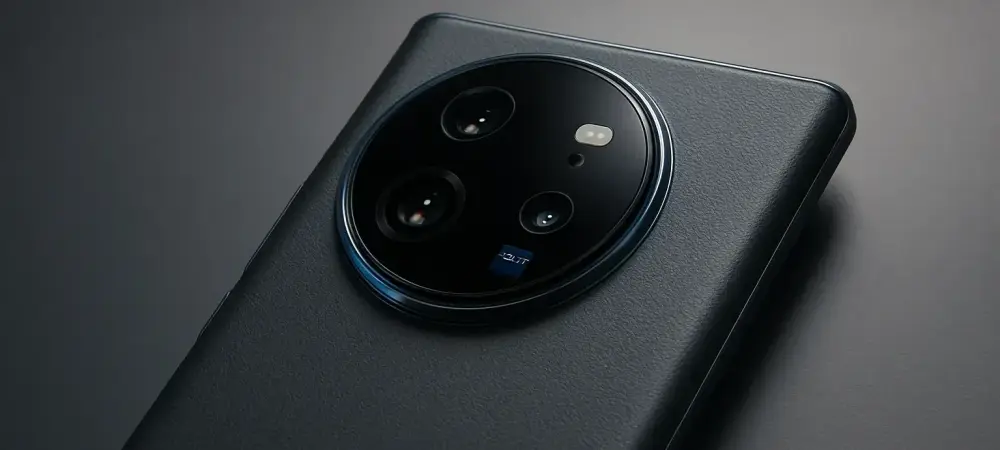
In a world where smartphone cameras are increasingly becoming the primary tool for capturing life’s moments, the arrival of a device that pushes the boundaries of mobile photography is always a significant event, and the Vivo X300 series is no exception. The Vivo X300 series, comprising the Vivo X300 and Vivo X300 Pro, is set to make its debut in India on December 2 at 12pm IST, marking a pivotal moment for tech enthusiasts and photography aficionados alike. Initially unveiled in China earlier this year, followed by a global rollout, this flagship lineup brings an exclusive red colorway tailored specifically for the Indian market, adding a distinctive flair to its aesthetic appeal. While details on whether this launch will be a full-scale event or a quieter release remain undisclosed, there’s a strong possibility of live coverage through Vivo’s social media platforms and official YouTube channel. This ensures that fans across the country can witness the unveiling in real-time, heightening anticipation for what promises to be a game-changer in the premium smartphone segment.
Cutting-Edge Imaging with Zeiss Partnership
The hallmark of the Vivo X300 series lies in its groundbreaking camera technology, achieved through a strategic collaboration with Zeiss, a name synonymous with optical excellence. Both the Vivo X300 and X300 Pro feature a Zeiss-tuned triple rear camera setup that redefines mobile photography standards. The Pro model sports a 50-megapixel Sony LYT-828 primary sensor, paired with a 50-megapixel Samsung JN1 ultra-wide-angle lens and a staggering 200-megapixel HPB APO telephoto camera, complemented by a 50-megapixel front camera for stunning selfies. Meanwhile, the standard model isn’t far behind, boasting a 200-megapixel HPB main camera with optical image stabilization, alongside a 50-megapixel Sony LYT-602 telephoto lens and a 50-megapixel ultra-wide camera. Adding to the innovation, a Telephoto Extender Kit with Zeiss 2.35x teleconverter lenses offers enhanced optical zoom without compromising clarity, supported by a Teleconverter Mode with NFC for seamless lens recognition. This focus on imaging prowess positions the series as a top contender for photography enthusiasts.
Performance and Design Tailored for Excellence
Beyond its camera capabilities, the Vivo X300 series is engineered for unparalleled performance, powered by the advanced 3nm MediaTek Dimensity 9500 chipset, which ensures lightning-fast processing and efficiency. This is further enhanced by the Pro Imaging VS1 chip and the V3+ imaging chip, delivering superior image processing that complements the hardware’s strengths. Running on Android 16-based OriginOS 6, the devices offer a smooth, modern user interface that meets flagship expectations. The launch in India also underscored a commitment to localization, with the exclusive red color option reflecting an understanding of regional preferences. This strategic move not only caters to aesthetic tastes but also reinforces Vivo’s intent to dominate the premium market by blending cutting-edge technology with thoughtful design. As the series rolled out on December 2, it set a new benchmark for what consumers can expect from high-end smartphones, paving the way for future innovations in mobile photography and performance standards.