

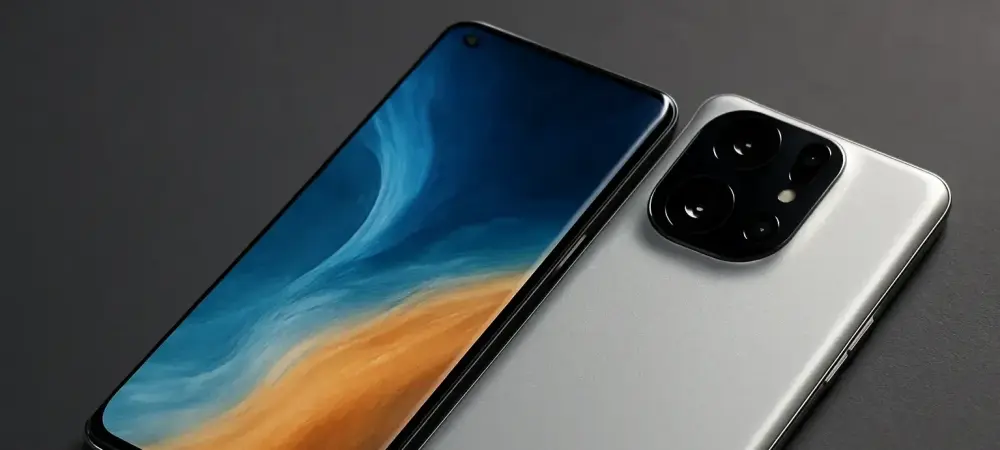
Setting the Stage: A New Era for Flagship Smartphones in India
The Indian smartphone market, one of the largest and most competitive globally, stands at a pivotal juncture with Oppo’s launch of the Find X9 series. With over 600 million smartphone users and a growing appetite for premium devices, India presents a unique blend of opportunity and challenge for brands aiming to dominate the high-end segment. Oppo, a key player in this dynamic landscape, has introduced its latest flagship lineup—the Find X9 and Find X9 Pro—positioned to disrupt the market with cutting-edge technology and strategic pricing. This analysis delves into the market implications of this launch, exploring how Oppo’s approach could reshape consumer preferences and competitive dynamics in the premium smartphone arena. By focusing on hardware innovation and localized pricing, the brand aims to carve out a significant share amidst giants like Apple, Samsung, and Xiaomi.
Market Dynamics: Oppo’s Strategic Positioning in India
Competitive Landscape: Navigating a Crowded Premium Segment
India’s premium smartphone market, defined as devices priced above Rs. 50,000, has witnessed exponential growth, driven by rising disposable incomes and a shift toward feature-rich devices. Brands like Apple and Samsung currently hold substantial sway, with market shares bolstered by brand loyalty and ecosystem integration. However, Oppo’s entry with the Find X9 series introduces a compelling alternative, blending flagship-grade specifications with prices starting at Rs. 74,999 for the base model. This pricing undercuts many competitors in the segment, potentially attracting a broader demographic of aspirational buyers. The challenge for Oppo lies in overcoming entrenched perceptions favoring established names, but its focus on accessibility could catalyze a shift in market dynamics over the next few years.
Hardware Consistency: A Global Standard for Indian Consumers
A standout aspect of Oppo’s strategy is the uniformity of hardware across global markets, ensuring that Indian variants of the Find X9 series match their Chinese and European counterparts. Powered by the MediaTek Dimensity 9500 SoC, a 3nm chipset, paired with up to 16GB of LPDDR5x RAM and 512GB of UFS 4.1 storage, both models promise top-tier performance. The Find X9 Pro further elevates the offering with a 6.78-inch AMOLED display at a 1,272×2,772 resolution and a 120Hz refresh rate, alongside IP66, IP68, and IP69 ratings for durability. This consistency signals a departure from past practices where regional models often featured downgraded specs, potentially boosting consumer trust and positioning Oppo as a brand committed to equity in user experience.
Camera Innovation: Targeting Content Creators and Enthusiasts
Photography remains a key differentiator in the premium segment, and Oppo capitalizes on this trend with the Find X9 Pro’s Hasselblad-tuned triple-rear camera system. Featuring a 50-megapixel primary sensor, a 50-megapixel ultrawide lens, and a groundbreaking 200-megapixel camera, the Pro model targets content creators and photography enthusiasts seeking professional-grade imaging. This focus aligns with the growing demand for smartphones as primary content creation tools, a trend evident in the increasing popularity of social media platforms in India. While the standard Find X9 also offers robust camera capabilities, the Pro variant’s high-resolution setup could set a new benchmark, challenging competitors to elevate their imaging game in response.
Pricing and Accessibility: A Game-Changer for Market Penetration
Aggressive Pricing: Tailoring Costs to Indian Sensitivities
Pricing strategy forms the cornerstone of Oppo’s market penetration plan for the Find X9 series. The standard model starts at Rs. 74,999 for the 12GB RAM + 256GB storage variant, rising to Rs. 84,999 for the 16GB RAM + 512GB configuration, while the Find X9 Pro is priced at Rs. 99,999 for its sole 16GB RAM + 512GB option. Compared to European pricing—EUR 999 (approximately Rs. 1,03,000) for the Find X9 and EUR 1,299 (around Rs. 1,34,000) for the Pro—these figures reflect a deliberate effort to align with India’s price-sensitive consumer base. Such competitive pricing could disrupt the premium segment, compelling rivals to reconsider their cost structures to retain market share.
Distribution Channels: Enhancing Reach through Online Platforms
Accessibility plays an equally critical role in Oppo’s market strategy, with the Find X9 series set to be available through Flipkart and Oppo’s official online store. This distribution approach leverages the growing trend of online smartphone purchases in India, where e-commerce platforms account for a significant portion of sales. Offering diverse color options—Space Black and Titanium Grey for the Find X9, and Silk White and Titanium Charcoal for the Pro—further caters to varied aesthetic preferences, enhancing consumer appeal. The wide online availability ensures that even consumers in tier-2 and tier-3 cities can access these flagship devices, potentially expanding Oppo’s footprint beyond urban centers.
Future Projections: Trends Shaping the Premium Smartphone Arena
Technological Shifts: Beyond Snapdragon Dominance
The adoption of the MediaTek Dimensity 9500 SoC in the Find X9 series hints at a broader industry shift away from reliance on Qualcomm’s Snapdragon processors in flagship devices. This move could diversify hardware options in the market, encouraging other manufacturers to explore alternative chipsets for performance optimization. As MediaTek continues to gain traction with high-performing, cost-effective solutions, the premium segment might witness increased competition in chipset innovation, ultimately benefiting consumers with more choices. Oppo’s early adoption positions it as a trendsetter, potentially influencing market preferences in India over the next few years.
Consumer Behavior: Rising Demand for Premium Features
Looking ahead, consumer behavior in India is expected to increasingly favor devices that offer a balance of premium features and reasonable pricing, a niche the Find X9 series targets effectively. The emphasis on advanced camera systems, durable builds, and powerful performance aligns with the evolving needs of Indian users, who are prioritizing smartphones for both personal and professional use. Economic factors, such as potential changes in import duties or local manufacturing incentives, could further shape pricing trends, impacting how brands like Oppo strategize their offerings. If sustained, this focus on value-driven flagships could redefine expectations in the premium category.
Reflecting on Impact: Strategic Insights for the Road Ahead
Looking back, the launch of Oppo’s Find X9 series marked a significant moment in India’s premium smartphone market, highlighting the potential for disruptive pricing and innovation to challenge established players. The strategic alignment of global hardware standards with localized cost structures demonstrated a nuanced understanding of market needs, setting a precedent for competitors. Moving forward, stakeholders need to consider investing in localized marketing campaigns to build brand affinity and address any lingering ambiguities around variant specifications through transparent communication. Additionally, forging partnerships with content creation platforms could amplify the appeal of camera-centric features, tapping into India’s burgeoning creator economy. These steps, if pursued, promise to solidify Oppo’s foothold while pushing the industry toward greater consumer-centric innovation.