

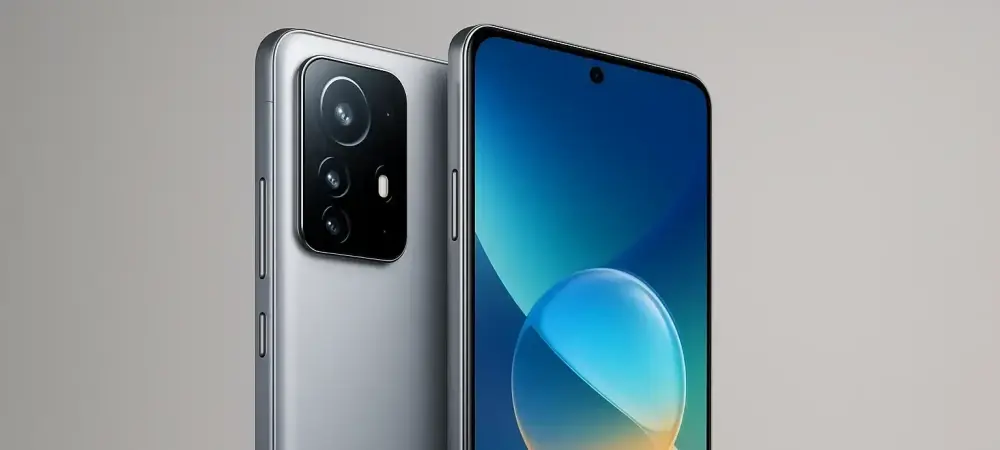
In a world where smartphone brands battle fiercely for market share, Xiaomi and its sub-brands, Poco and Redmi, have emerged as formidable contenders with a slew of new devices certified for global release, signaling an ambitious push beyond China. Recent certifications on Singapore’s Infocomm Media Development Authority (IMDA) website for models like Xiaomi 17, Poco F8 Pro, Poco F8 Ultra, and Redmi Note 15 highlight their intent to capture international markets. This roundup dives into diverse opinions and insights from industry experts, analysts, and tech enthusiasts to explore whether these brands are on the brink of a significant global surge. The purpose is to synthesize varying perspectives on the technological innovations, market strategies, and consumer appeal of these upcoming releases, offering a comprehensive view of their potential impact.
Gathering Industry Perspectives on the Global Launch
Technological Innovations: A Game-Changer or Overhype?
Industry analysts have lauded the flagship offerings, particularly Xiaomi 17 and Poco F8 Ultra, for their cutting-edge specifications. With Snapdragon 8 Elite Gen 5 chipsets, massive 7,000mAh batteries, and 100W fast charging, these devices are positioned as powerhouses. Tech reviewers highlight the Leica-tuned triple 50-megapixel camera systems as a standout feature, aligning with a growing demand for professional-grade mobile photography.
However, not all feedback is unanimously positive. Some market watchers question whether such high-end specs are necessary for the average consumer, pointing out that many users may not fully utilize the advanced processing power. Concerns also arise about overheating risks with such robust hardware, suggesting that real-world performance tests will be crucial to validate the hype.
A contrasting view from hardware specialists emphasizes the durability aspects, such as the IP69 rating on Poco F8 Ultra. This focus on rugged design is seen as a strategic move to appeal to users in harsher environments or those prioritizing longevity over aesthetics. The debate continues on whether these innovations truly set Xiaomi apart or simply match existing industry standards.
Market Strategy: Targeting Diverse Segments
Brand strategists commend Xiaomi’s multi-tiered approach, with Poco catering to performance enthusiasts and Redmi focusing on budget-conscious buyers. The inclusion of 5G in models like Poco F8 Pro is viewed as a forward-thinking step to capture tech-savvy markets where high-speed connectivity is becoming non-negotiable. This targeted positioning is often cited as a key strength in saturated regions.
On the flip side, some business analysts argue that offering 4G-only devices like Redmi Note 15 might limit appeal in rapidly advancing markets. While affordability remains a draw, there’s a risk of alienating younger demographics who prioritize future-proof technology. The balance between cost and modernity is a recurring point of contention among experts.
A different angle comes from emerging market consultants who see the budget lineup as a masterstroke. In regions with slower 5G adoption, practical features like Bluetooth, Wi-Fi, and NFC in Redmi Note 15 are deemed sufficient. This perspective underscores Xiaomi’s knack for tailoring products to regional infrastructure readiness, potentially securing a loyal customer base.
Consumer Appeal: Balancing Premium and Practical
Tech bloggers and consumer advocates have mixed reactions to the premium pricing of flagship models. While the impressive specs of Xiaomi 17, such as its 6.3-inch 1.5K OLED display and up to 1TB storage, are exciting, there’s skepticism about whether the cost aligns with perceived value. Many suggest that competitors offer similar features at lower price points, creating a challenge for Xiaomi.
In contrast, user forums reveal enthusiasm for the budget-friendly Redmi Note 15 among cost-sensitive buyers. The device’s focus on essential functionalities is often praised as a smart choice for students or individuals in developing economies. This demographic sees Xiaomi as a brand that understands their needs without overcomplicating the user experience.
A unique take from lifestyle tech reviewers focuses on broader consumer trends. They argue that features like battery life and camera quality might overshadow connectivity for many users, even in 5G-ready regions. This viewpoint suggests that Xiaomi’s diverse portfolio could resonate more deeply by addressing everyday priorities over cutting-edge network capabilities.
Synthesizing the Insights and Looking Ahead
Reflecting on the varied opinions, it becomes evident that Xiaomi, Poco, and Redmi have sparked intense discussions with their upcoming global releases. The technological advancements in flagship models garner admiration for pushing boundaries, though doubts linger about their universal necessity. Market strategies receive praise for their segmentation but face scrutiny over potential missteps in tech adoption trends. Consumer sentiments highlight a divide between those valuing premium innovation and others seeking practical affordability.
Moving forward, stakeholders can take actionable steps to navigate this evolving landscape. Consumers might benefit from comparing specific needs—such as photography or battery endurance—against budget constraints before deciding on a model. Industry players could monitor real-world performance feedback to refine future offerings. For deeper exploration, staying updated on regional launch details and engaging with tech communities for firsthand reviews offers a pathway to informed decisions, ensuring that the potential of these brands translates into tangible impact.