

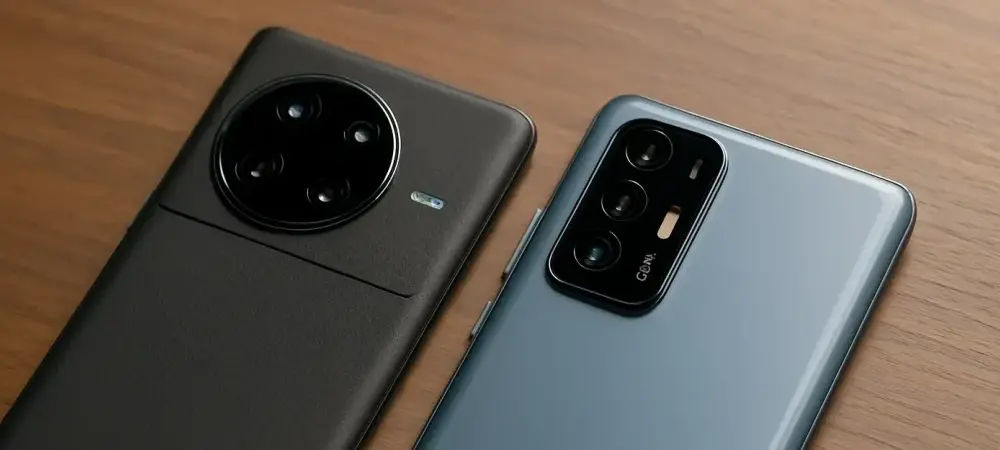
In the ever-evolving landscape of smartphone technology, performance benchmarks have become a critical yardstick for gauging the capabilities of flagship devices, often influencing consumer choices in a highly competitive market where innovation drives demand. Recently, two heavyweights from China, the Vivo X300 Pro and the Xiaomi 17 Pro Max, have gone head-to-head in a battle of raw power and efficiency, as measured by the widely recognized AnTuTu benchmark tests. These devices, powered by cutting-edge chipsets from MediaTek and Qualcomm respectively, not only showcase the pinnacle of mobile hardware but also highlight a broader industry narrative around performance versus cost. As smartphone manufacturers push the boundaries of innovation, understanding how these devices stack up in key metrics like processing speed, graphics performance, and user experience offers valuable insight into the direction of mobile technology. This comparison delves into the nuances of their benchmark results, shedding light on what sets them apart for tech enthusiasts and everyday users alike.
Performance Metrics Face-Off
When dissecting the AnTuTu benchmark scores, the Vivo X300 Pro emerges as a formidable contender with an overall score of 3,956,885, surpassing the Xiaomi 17 Pro Max, which clocks in at 3,731,077. This significant gap points to Vivo’s strength in specific performance areas, particularly in CPU and memory efficiency. The Vivo device, powered by the MediaTek Dimensity 9500, achieves a CPU score of 1,030,180, narrowly outpacing Xiaomi’s score of 1,018,631 with its Snapdragon 8 Elite Gen 5 chipset. Additionally, Vivo’s memory performance stands out at 709,892, compared to Xiaomi’s 524,484, suggesting a clear advantage in multitasking and handling resource-intensive applications. Such results indicate that users prioritizing raw processing power and seamless app switching might find Vivo’s offering more aligned with their needs. These figures underscore how chipset architecture can influence day-to-day functionality, especially for power users who demand peak performance from their devices in demanding scenarios.
On the flip side, the Xiaomi 17 Pro Max carves out its own niche by excelling in GPU performance and user experience metrics, areas critical for gaming and interface responsiveness. Despite a slightly lower raw GPU score of 1,392,956 compared to Vivo’s 1,453,877, Xiaomi’s device outperforms 99% of users in graphical tasks, while Vivo lags behind, surpassing only 9%. This disparity highlights Xiaomi’s optimization for graphics-heavy applications, making it a preferred choice for gamers or those engaging in visually intensive content creation. Furthermore, Xiaomi’s UX score of 795,006 edges out Vivo’s 762,936, pointing to a smoother and more intuitive interaction with the device’s software. Thermal management during testing also remains comparable, with Xiaomi ranging between 17.2°C and 41°C, and Vivo between 23.9°C and 44.5°C, ensuring neither device overheats excessively under stress. These strengths position Xiaomi as a compelling option for users who value a polished experience over sheer computational might.
Chipset Cost and Industry Implications
A deeper look into the chipsets powering these smartphones reveals a striking contrast in cost, which could reshape manufacturer preferences in the coming years. The MediaTek Dimensity 9500, fueling the Vivo X300 Pro, is estimated to cost between $180 and $200 for original equipment manufacturers, roughly 50% less than the Snapdragon 8 Elite Gen 5 in the Xiaomi 17 Pro Max, which is priced around $280. Despite this price disparity, MediaTek’s chip holds its own, particularly in CPU and memory tasks, challenging the long-standing perception of Qualcomm’s dominance in premium performance. Both chips utilize TSMC’s advanced 3nm N3P process for manufacturing, yet MediaTek’s ability to deliver competitive results at a lower cost presents an attractive proposition for companies aiming to balance performance with affordability. This dynamic suggests a potential shift in the market, where cost efficiency could play a larger role in chipset selection.
Beyond individual device performance, the cost-effectiveness of MediaTek’s chipset signals broader implications for the smartphone industry as a whole. As Qualcomm’s chip prices trend upward due to escalating research, development, and manufacturing expenses, manufacturers may increasingly turn to alternatives like MediaTek to maintain profit margins without compromising on quality. This trend could democratize access to high-performance devices, allowing more consumers to experience flagship-level capabilities at reduced price points. The Vivo X300 Pro’s benchmark success with a cheaper chipset illustrates that raw power need not come at a premium, potentially influencing future product strategies across the sector. Meanwhile, Qualcomm’s focus on superior graphics and user experience optimization, as seen in Xiaomi’s device, ensures it retains a stronghold in specific use cases, creating a nuanced rivalry that benefits consumers through diverse offerings tailored to varied needs.
Reflecting on the Competitive Edge
Looking back, the benchmark clash between the Vivo X300 Pro and the Xiaomi 17 Pro Max painted a vivid picture of how flagship smartphones catered to distinct user priorities through their performance strengths. Vivo’s dominance in CPU and memory efficiency stood out as a boon for multitasking and heavy computational tasks, while Xiaomi’s prowess in graphics and user experience captured the attention of gamers and those seeking a fluid interface. The disparity in chipset costs also sparked discussions on market dynamics, with MediaTek’s affordability challenging Qualcomm’s premium positioning. Moving forward, consumers stand to benefit from this rivalry by carefully assessing their needs—whether raw power or visual finesse—and selecting a device that aligns with their usage patterns. Smartphone makers, on the other hand, might consider leveraging cost-effective yet powerful chipsets to broaden their market reach, ensuring that cutting-edge technology becomes accessible to a wider audience in future iterations.