

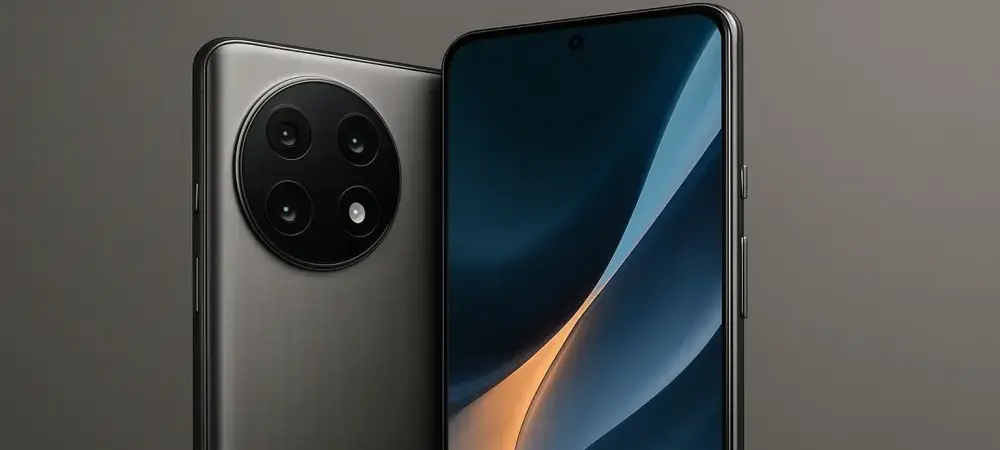
I’m thrilled to sit down with Dominic Jainy, a seasoned IT professional whose deep knowledge of cutting-edge technologies like artificial intelligence, machine learning, and blockchain gives him a unique perspective on the latest innovations in the smartphone industry. Today, we’re diving into the much-anticipated OnePlus 15, a flagship device that’s generating buzz for its groundbreaking design and powerful performance. In our conversation, we’ll explore the phone’s rumored launch timeline, its standout display features, the innovative materials used in its construction, its durability claims against other top-tier devices, and the thoughtful design elements crafted for user comfort. Let’s get started.
What can you tell us about the rumored launch timeline for the OnePlus 15?
I’ve been following the chatter around the OnePlus 15, and the mid-October 2025 launch in China seems to be the most consistent rumor out there. While the company hasn’t officially confirmed it, various industry sources point to this timeframe as highly likely, given their typical release patterns for flagship devices. As for a global rollout, I’d expect a few weeks to a couple of months after the China debut, probably around late 2025 or early 2026, based on how they’ve staggered launches in the past to build momentum.
How does the display on the OnePlus 15 differentiate itself from other flagship devices?
The OnePlus 15 is touting bezels that are just 1.15 mm on all four sides, which is slimmer than some competitors like the Xiaomi 17 at 1.18 mm. While the difference might seem negligible on paper, it’s a big deal for immersion. Those ultra-thin bezels mean the screen takes up almost the entire front of the device, giving you a more expansive view for everything from gaming to streaming. It’s a subtle but noticeable edge in creating a truly borderless feel.
Can you dive into the unique material used in the OnePlus 15’s build and what makes it so special?
For the Sand Dune variant of the OnePlus 15, the company is using what they call an “aerospace-grade nano-ceramic metal” for the chassis. From what I understand, this is a composite material engineered at a microscopic level to enhance strength and durability. They claim it’s 134% harder than titanium and significantly tougher than aluminum or stainless steel. This likely comes from a specialized manufacturing process that integrates ceramic elements for hardness with metal for flexibility, though exact details are under wraps. It’s a fascinating leap in smartphone materials, but I believe this is exclusive to the Sand Dune color, with other variants possibly using more conventional builds.
How does the durability of the OnePlus 15 stack up against other premium smartphones in the market?
OnePlus is making bold claims that the 15’s chassis offers superior resistance to damage compared to devices like the iPhone 17 Pro, which uses a heat-forged aluminum unibody. The nano-ceramic metal’s exceptional hardness could indeed provide better protection against drops and scratches, as ceramics are inherently less prone to deformation than aluminum. While specific testing data hasn’t been shared yet, I suspect OnePlus has run rigorous stress tests—think drop simulations or hardness scales like Mohs—to back up these claims. It’ll be interesting to see real-world results once the phone is out.
What design elements in the OnePlus 15 are focused on improving user comfort, and how do they work?
The OnePlus 15 incorporates several thoughtful touches for ergonomics. There’s a “small arc edge,” which I believe refers to a gently curved side profile that molds to your hand for a secure grip, reducing the chance of slips. They’ve also added a “skin-friendly” coating, likely a soft-touch finish that feels pleasant against the palm and minimizes fingerprints. Then there’s the “golden R corner,” which sounds like an optimally rounded corner design to make one-handed use smoother—less strain on your thumb when reaching across the screen. Together, these elements show a focus on practicality alongside aesthetics.
What’s your forecast for the impact of innovative materials like the nano-ceramic metal in future smartphone designs?
I think we’re at the start of a materials revolution in smartphones. The introduction of something like nano-ceramic metal in the OnePlus 15 could set a new standard for durability and premium feel, pushing other manufacturers to explore hybrid materials that balance toughness with lightweight design. We might see more devices adopting advanced composites or even bio-inspired materials in the next few years as companies aim to differentiate themselves. The challenge will be balancing cost with performance, but if OnePlus pulls this off, it could redefine what we expect from flagship builds. I’m excited to see how this trend evolves.