

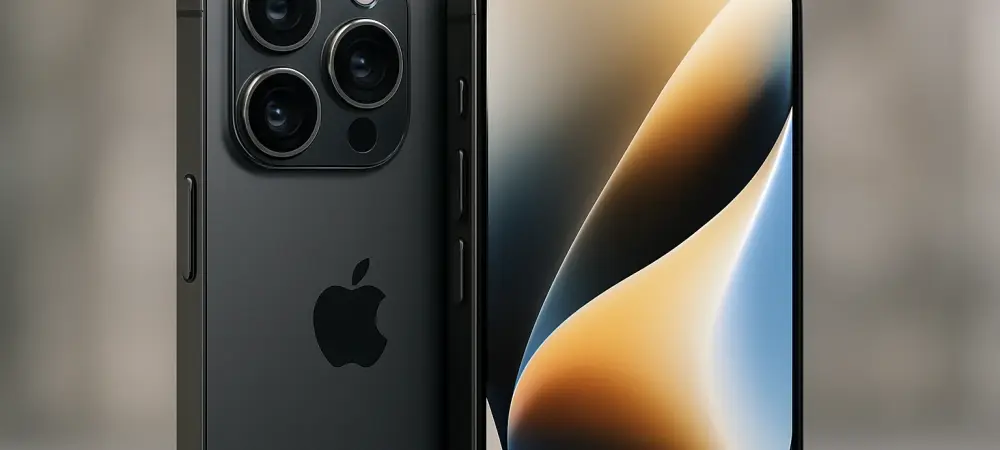
I’m thrilled to sit down with Dominic Jainy, a seasoned IT professional whose deep expertise in cutting-edge technologies like artificial intelligence, machine learning, and blockchain offers a unique perspective on the ever-evolving smartphone industry. With a keen interest in how tech innovations shape various sectors, Dominic is the perfect person to help us unpack the latest rumors and expectations surrounding Apple’s iPhone 17 series. In our conversation, we dive into the anticipated launch timeline, the distinct features of the four rumored models, the potential impact of new chipsets and design choices, and what these developments could mean for Apple fans and the broader market. Let’s get started!
How do you assess the credibility of the leaked launch date for the iPhone 17 series on September 9, and does it fit with Apple’s usual timing for such events?
I think the leak from the German publication holds some weight, especially since it aligns with other whispers we’ve heard, like reports from industry insiders pointing to a similar timeframe. Apple has a pretty consistent track record of unveiling their flagship iPhones in early to mid-September, often on a Tuesday. Last year’s iPhone 16 event was on September 9, and the year before that, the iPhone 15 dropped on September 12. So, September 9 fits neatly into that pattern. That said, leaks should always be taken with a grain of salt until Apple sends out official invites, as plans can shift due to unforeseen production or strategic decisions.
What are your thoughts on the rumored pre-order and sales timeline for the iPhone 17 lineup, with pre-orders on September 12 and sales starting September 19?
The timeline sounds very plausible. Apple typically opens pre-orders a few days after the announcement—usually on the Friday following a Tuesday keynote—and starts shipping about a week after that. If the September 9 event date holds, pre-orders on September 12 and sales on September 19 follow the exact cadence we’ve seen in recent years. This gap allows Apple to build anticipation while ensuring logistics are in place for a smooth rollout. It’s a well-oiled machine at this point, balancing hype with supply chain readiness.
With four models in the iPhone 17 series—standard, Air, Pro, and Pro Max—how do you see the differences shaping up between them?
I expect the lineup to cater to a wide range of users by offering distinct value propositions. The standard iPhone 17 will likely be the accessible entry point, with solid performance upgrades but without the bells and whistles of the higher-end models. The iPhone 17 Air seems to be positioned as a stylish, lightweight option—rumors of a slimmer profile suggest it’s targeting users who prioritize design and portability. The Pro and Pro Max, on the other hand, will likely push the envelope with premium materials and cutting-edge tech, especially the Pro Max, which is said to retain a titanium frame for durability and a premium feel. It’s Apple’s way of segmenting the market—something for everyone, from budget-conscious buyers to tech enthusiasts.
Can you shed light on what the rumored A19 and A19 Pro chipsets might bring to the table, and how they’ll be distributed across the models?
From what’s circulating, the A19 chip is expected to power the standard iPhone 17 and possibly the Air model, delivering a notable performance bump over the previous generation—think faster processing and better energy efficiency. The A19 Pro, likely reserved for the Pro and Pro Max models, could offer even more raw power, perhaps with enhanced GPU capabilities for tasks like gaming or video editing, and better AI processing for features like on-device machine learning. Apple’s been differentiating chipsets between standard and Pro models for a while now, so this strategy isn’t surprising—it’s about giving power users a reason to upgrade to the pricier tiers.
There’s buzz about varying display sizes for the iPhone 17 series. How do you think these changes, like the 6.9-inch screen on the Pro Max, will impact user experience?
The rumored display sizes seem to reflect Apple’s intent to refine the user experience for different needs. A 6.9-inch screen on the iPhone 17 Pro Max would be a step up from previous Pro Max models, which hovered around 6.7 inches, offering more real estate for media consumption, gaming, or productivity—perfect for users who treat their phone as a mini-tablet. The standard and Pro at 6.3 inches strike a balance, while the 6.5-inch display on the Air could appeal to those wanting something in between, especially if paired with that rumored slim design. Larger screens can enhance immersion, but they also challenge one-handed use, so it’ll be interesting to see how Apple balances ergonomics with these updates.
What’s your forecast for the iPhone 17 series in terms of its impact on the smartphone market and Apple’s position in it?
I believe the iPhone 17 series has the potential to solidify Apple’s dominance in the premium smartphone segment, especially if the rumored innovations—slimmer designs, powerful chipsets, and larger displays—resonate with consumers. The introduction of an Air model could attract a new demographic looking for style without the Pro price tag, while the Pro Max’s premium features will likely keep high-end buyers loyal. If Apple nails the pricing and availability, despite whispers of a $50 hike for most models, they could further widen their lead over competitors. The bigger question is how these devices integrate with Apple’s ecosystem—think new AirPods and Apple Watch launches alongside them—and whether that synergy pushes the industry toward even tighter integration of hardware and software. I’m optimistic, but a lot depends on execution.