

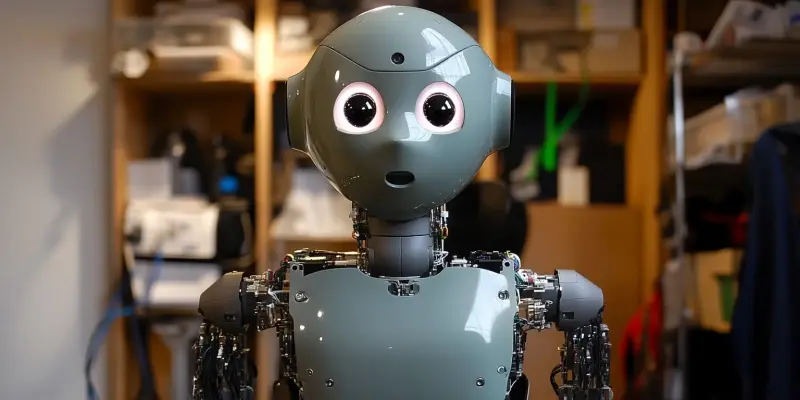
The rapidly evolving intersection of robotics, artificial intelligence (AI), and Vision-Language-Action (VLA) models is transforming the landscape of machine capabilities, ushering in a new era where robots respond to complex environments with unparalleled sophistication. Emerging developments in AI and robotics, particularly through innovative initiatives like ASI
The Evolution of Robotics with VLA Models
The integration of VLA models signifies a profound shift in the robotics paradigm, merging the processing power of vision, language, and action into a cohesive system. Unlike traditional robots bound by pre-programmed actions and heuristic methods, VLA models empower machines to adapt to dynamic, real-world conditions through enhanced contextual awareness and reasoning abilities. This revolution allows robots to understand natural language instructions, interpret visual inputs with high accuracy, and execute precise actions accordingly. The potential of VLA models means that robotic systems can now generalize across diverse tasks, refining their behaviors based on continuous feedback, making them more human-like in their operations.
This transformation from static, predefined responses to adaptive, intelligent actions is a challenging yet incredible leap forward. The utilization of continuous visual feedback and advanced natural language processing enables robots to handle tasks requiring high levels of flexibility and adaptability with ease. Earlier robotic systems often struggled in unpredictable environments, but VLA models overcome these limitations. By leveraging these models, robots can now achieve a higher level of operational efficiency, performing numerous functions with a degree of sophistication previously unattainable.
Reinforcement Learning in VLA Models
Reinforcement learning plays a central role in the advancement of VLA models by enabling robots to learn from trial and error to improve performance iteratively. This method contrasts starkly with traditional programming techniques, which lack the ability to adapt and evolve. Through simulated scenarios in virtual environments, robots can enhance their capabilities significantly before deployment in real-world settings. This process reinforces the concept that the smarter a robot becomes through iterative learning processes, the more proficiently it can achieve its tasks, resulting in heightened efficiency and effectiveness.
ASI
Hierarchical Architecture of VLA Models
The hierarchical architecture of VLA models draws inspiration from the cognitive structures found in the human brain. This sophisticated structure allows robots to solve problems at multiple levels of complexity, improving their ability to navigate diverse scenarios effectively. Larger networks within the models handle strategic planning and high-level decision-making, while smaller, specialized models focus on fine motor control and detailed actions. This division of responsibilities equips robots to manage various environments with precision, from manufacturing lines with intricate tasks to the dynamic, crowded settings of restaurant floors.
The hierarchical approach is crucial for the coordination and communication between different model sizes, ensuring that robots can seamlessly integrate into human environments. It enables robots to manage both high-level strategic decisions and detailed, precise actions, enhancing their overall effectiveness and adaptability. This cognitive-inspired architecture significantly boosts robots’ problem-solving capabilities, making them more versatile and efficient in executing complex operations. The result is a new generation of robots, equipped to handle a myriad of tasks with unprecedented proficiency, enriching both commercial and everyday applications.
Applications Across Industries
The advancements in VLA-trained robotics extend significantly beyond research laboratories, impacting various sectors including manufacturing, logistics, healthcare, and hospitality. Enhanced AI and machine learning (ML) models are poised to revolutionize these industries by improving operational flexibility, responsiveness, and accuracy. In the manufacturing sector, automated production lines enhanced with VLA technologies will experience reduced downtime and waste, optimizing production efficiency. Similarly, in the logistics sector, robots equipped with advanced VLA models will manage inventory with minimal human oversight, increasing overall operational efficiency.
Healthcare is another field primed for transformation by VLA-trained robotics. Intelligent robotic assistants are likely to support medical staff in numerous capacities, from surgical assistance to patient rehabilitation. These robots can provide consistent, precise care, improving patient outcomes and relieving the burden on healthcare professionals. In the hospitality sector, the integration of VLA models means robots could manage tasks ranging from room service to engaging customer interactions, delivering seamless and efficient service experiences. As these technologies become more integrated, they promise significant improvements in operational accuracy and efficiency across numerous applications, offering substantial benefits to both businesses and consumers.
Challenges and Future Directions
The fast-paced development in the fields of robotics, artificial intelligence (AI), and Vision-Language-Action (VLA) models is revolutionizing machine capabilities. This advancement signals a new era where robots can interact with complex settings with unprecedented sophistication. Innovations in AI and robotics, particularly through pioneering projects like ASI
The integration of VLA models enables robots to comprehend and react to visual and verbal cues in real-time, enhancing their ability to perform tasks more efficiently and effectively. This dramatic improvement in machine function is a testament to the significant strides made in AI technology, underscoring the transformative potential of these advancements. As robots become more adept at interpreting and acting upon their environments, their applications across industries are expanding, paving the way for a future where intelligent machines play integral roles in various aspects of life.