

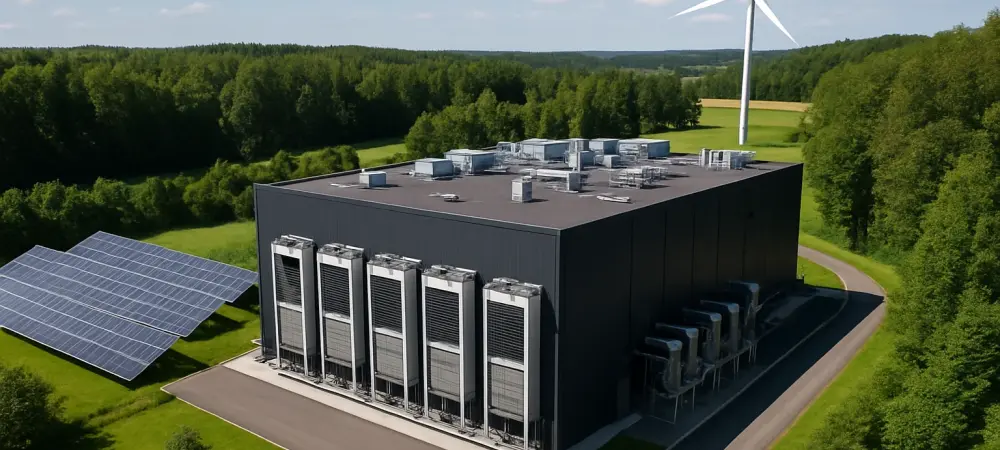
In an era where digital transformation drives unprecedented energy consumption, Sweden emerges as a beacon of innovation, pioneering sustainable data centers that balance technological advancement with environmental stewardship. With the global demand for artificial intelligence (AI) and cloud computing skyrocketing, the energy footprint of data centers has become a pressing concern, prompting a shift toward greener solutions. This analysis delves into Sweden’s remarkable ascent in this domain, exploring the growth of sustainable data centers, spotlighting transformative projects, gathering industry insights, and projecting future trajectories for this critical sector.
The Rise of Sustainable Data Centers in Sweden
Growth Trends and Market Dynamics
Sweden has witnessed a significant surge in data center development over recent years, positioning itself as a hub for sustainable technology infrastructure. Reports from industry bodies indicate that investment in data centers has grown substantially, with capacity expansions designed to support the intensive computational needs of AI and cloud services. This growth is fueled by a strategic focus on energy efficiency, aligning with global sustainability goals.
The country’s unique advantages, such as access to abundant renewable energy sources like hydropower and wind, play a pivotal role in this trend. Additionally, Sweden’s cold climate reduces the need for energy-intensive cooling systems, offering a natural edge for data center operations. According to recent market analyses, these factors have attracted major tech giants and investors, solidifying Sweden’s reputation as a leader in eco-friendly digital infrastructure.
Beyond natural advantages, government policies supporting renewable energy adoption and strict environmental regulations further bolster this sector. The combination of these elements creates a fertile ground for innovation, drawing international attention to Sweden as a model for balancing digital expansion with ecological responsibility.
Real-World Impact: EcoDataCenter’s Borlänge Initiative
A prime example of Sweden’s sustainable data center trend is EcoDataCenter’s ambitious project in Borlänge, a central locality northwest of Stockholm. The company recently acquired a 20-hectare site, previously part of a defunct paper mill, for SEK 400 million ($39 million) from the Borlänge municipality. This acquisition marks a symbolic transformation of industrial heritage into cutting-edge tech infrastructure. The initial phase of the Borlänge facility will provide access to 250MW of energy, with plans to scale up to 600MW in subsequent stages, targeting operational status by 2027. Managed by contractor ByggPartner, the project showcases a commitment to repurposing industrial land for modern needs, particularly in supporting the infrastructure demands of AI technologies. This initiative reflects a broader industry movement toward sustainable scalability.
Moreover, the project’s location near Falun, where EcoDataCenter already operates a facility, enhances regional synergy and operational efficiency. By focusing on sustainability and high-capacity infrastructure, this development not only addresses digital demands but also revitalizes local economies, setting a precedent for similar transformations across Sweden and beyond.
Industry Perspectives on Sustainability and Innovation
EcoDataCenter’s CEO, Peter Michelson, emphasized the profound shift represented by the Borlänge project, noting that the region is transitioning from producing paper—a hallmark of traditional media—to becoming a cornerstone for AI and future information technologies. This perspective underscores a deeper narrative of industrial evolution, where sustainability and innovation converge to redefine regional identities.
Industry analysts echo this sentiment, stressing the critical role of sustainable data centers in meeting global digital demands while curbing environmental impact. Thought leaders highlight that as data consumption grows, the pressure to adopt renewable energy and efficient designs intensifies, making projects like Borlänge not just desirable but essential for long-term viability in the tech sector.
Challenges remain, including the complexities of energy scalability and securing adequate financing for large-scale projects. However, EcoDataCenter’s securing of $703 million in debt financing from Deutsche Bank Private Credit and Infrastructure in the current year demonstrates a proactive approach to overcoming financial hurdles. Such strategic moves illustrate how industry players are navigating obstacles to prioritize sustainability without compromising growth ambitions.
Future Outlook for Sustainable Data Centers in Sweden
Looking ahead, advancements in data center technologies are poised to further enhance Sweden’s standing in this field. Innovations such as advanced cooling systems that leverage the country’s frigid climate, alongside deeper integration of renewable energy sources, promise to drive efficiency to new heights. These developments could set benchmarks for global standards in eco-conscious infrastructure.
The benefits of this trend extend beyond technology, offering economic revitalization in regions like Borlänge, where industrial decline has left opportunities for reinvention. Yet, challenges such as regulatory constraints and limitations in energy grid capacity pose potential roadblocks. Addressing these issues will require coordinated efforts between policymakers, industry stakeholders, and local communities to ensure sustainable progress.
On a broader scale, Sweden has the potential to become a global exemplar for sustainable tech infrastructure, inspiring other nations to adopt similar models. However, risks like over-reliance on hyperscale projects must be managed to avoid straining resources or neglecting smaller-scale innovations. A balanced approach will be crucial to maintaining momentum while mitigating unforeseen setbacks.
Key Takeaways and Call to Action
Reflecting on Sweden’s journey, it is evident that the nation has carved a niche as a leader in sustainable data centers, with pioneering projects like EcoDataCenter’s Borlänge facility showcasing the power of innovative thinking. The balance between technological advancement and environmental responsibility has proven achievable through strategic investments and a commitment to green principles.
As the digital landscape continues to evolve, the groundwork laid by such initiatives offers valuable lessons for global stakeholders. Moving forward, it is imperative to advocate for policies that support renewable energy integration and streamline regulatory processes to accelerate similar projects worldwide.
Ultimately, the strides made in Sweden serve as a catalyst for broader change, urging investors, tech companies, and governments to prioritize sustainability in digital infrastructure. Supporting and scaling these efforts in various regions promises to shape a future where technology and environmental care advance hand in hand, ensuring a resilient and responsible digital era.