

Introduction
In an era where digital transformation dictates the pace of global progress, the data center industry is experiencing unprecedented growth, with global capacity expected to double in the next few years due to the insatiable demands of cloud computing and artificial intelligence (AI). This explosive expansion, however, comes at a steep environmental cost, as data centers consume vast amounts of energy and water, contributing significantly to carbon emissions. The pressing challenge lies in harmonizing this rapid technological advancement with sustainable practices to mitigate ecological impact. This analysis delves into the trend of sustainable data center development, spotlighting Avaio Digital’s ambitious project in Madrid, Spain, as a prime example. It explores the driving forces behind this growth, real-world applications of green technology, expert perspectives, and the broader implications for the future of digital infrastructure.
The Rising Demand for Sustainable Data Centers
Growth Trends and Industry Drivers
The global data center market is on a steep upward trajectory, fueled by the proliferation of cloud services and AI applications. According to recent industry reports, the sector is projected to grow at a compound annual growth rate of over 10%, with capacity needs expected to surge by 2030 to support the digital economy. This surge is driven by the exponential increase in data generation, necessitating robust infrastructure to store and process information at scale. Hyperscale facilities, in particular, are at the forefront, catering to tech giants and enterprises shifting to cloud-based solutions.
Sustainability has emerged as a critical focus amid this expansion, with mounting pressure from regulators and stakeholders to curb environmental impact. The European Union’s green initiatives, for instance, mandate stricter energy efficiency standards and carbon reduction targets for tech infrastructure. These policies underscore a shift toward renewable energy adoption and innovative design in data center operations. Companies are increasingly held accountable for their ecological footprint, pushing the industry to rethink traditional models of development.
Regions like Madrid are becoming strategic hubs for this transformation, thanks to their robust connectivity, access to power, and proximity to major markets. The northern axis of Madrid, in particular, offers an ideal blend of infrastructure and economic incentives, attracting significant investments in digital facilities. This geographic advantage positions such areas as pivotal players in the global data center landscape, balancing growth with sustainability goals.
Real-World Implementation: Avaio Digital’s Algete Data Hub
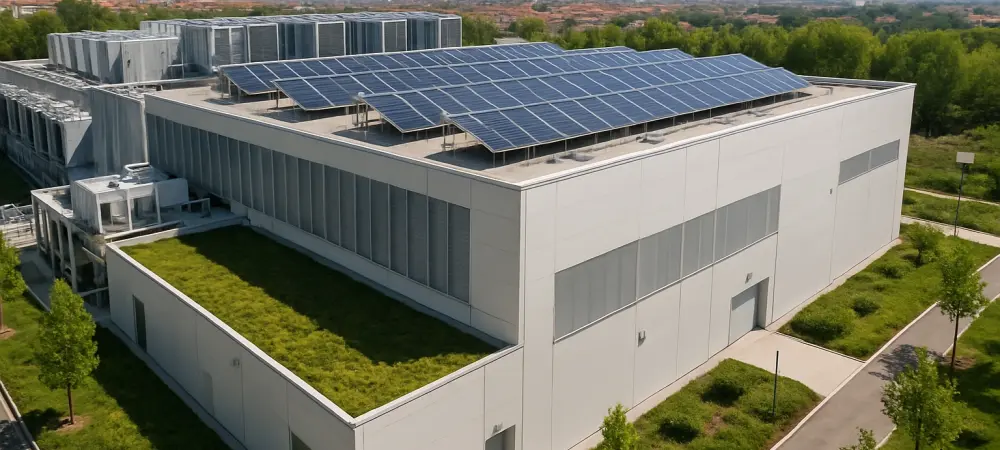
Avaio Digital, a US-based firm specializing in hyperscale data centers, is making waves with its €650 million ($759 million) project in Algete, a town in the Community of Madrid, Spain. Known as the Algete Data Hub and Avaio Digital Scorpio, this initiative marks the company’s entry into the Spanish market and exemplifies sustainable expansion. The project aims to bolster Madrid’s status as a key European tech hub by providing cutting-edge infrastructure for cloud and AI workloads. Sustainability is woven into the fabric of this development, with features like rainwater recapture, rooftop solar panels, and water-efficient air-cooled systems setting a high standard for eco-friendly design. These innovations reduce reliance on non-renewable resources and minimize operational waste, aligning with global best practices for green technology. By integrating such measures, the hub addresses both the functional demands of hyperscale clients and the urgent need for environmental responsibility.
Further enhancing its sustainable ethos, the project redevelops an old industrial site, breathing new life into underutilized land. It has also secured a significant power agreement with Iberdrola, starting with an 8MW interconnection and scaling to 56.3MW by 2028. This blend of repurposed infrastructure and renewable energy commitments highlights how growth and stewardship can coexist, offering a model for other regions to emulate in their digital expansion efforts.
Expert Perspectives on Sustainability in Data Center Growth
Insights from industry leaders shed light on the strategic importance of sustainable development in this sector. Mark McComiskey, CEO of Avaio Digital, has emphasized Spain’s unique position as a gateway for hyperscalers seeking to expand near established European markets while adhering to green principles. His perspective underscores the dual imperative of meeting client needs and addressing environmental concerns through thoughtful location and design choices.
Project Manager Pedro Blanco adds a local dimension, highlighting how the Algete Data Hub reinforces Madrid’s reputation as a burgeoning tech center. He points to the project’s sustainable redevelopment approach as a key factor in strengthening the region’s appeal to global tech players. This focus on revitalizing existing spaces rather than sprawling into untouched areas reflects a nuanced strategy that prioritizes ecological balance alongside economic growth.
Beyond individual projects, there is a growing industry consensus on the necessity of integrating green technologies into data center operations. Thought leaders across the sector advocate for a harmonious balance between operational efficiency and environmental goals, pushing for innovations like advanced cooling systems and renewable energy integration. This collective vision signals a transformative shift, where sustainability is not just an add-on but a core component of digital infrastructure planning.
Future Outlook for Sustainable Data Center Development
Looking ahead, the data center industry stands poised for significant advancements in sustainable technologies that could reshape global markets. Innovations such as enhanced cooling mechanisms and a deeper reliance on renewable energy sources promise to lower energy consumption and carbon footprints. If scaled effectively, these solutions could become standard practice, driving down long-term operational costs while meeting stringent regulatory demands.
However, challenges persist in realizing this vision, including the high initial investments required for green infrastructure and concerns over grid reliability in emerging hubs. While the benefits of reduced costs and compliance are clear, the financial burden of retrofitting or building eco-friendly facilities can deter smaller players. Additionally, ensuring a consistent power supply in less developed regions remains a hurdle, necessitating strategic partnerships with utility providers to bridge gaps.
The broader implications of projects like the Algete Data Hub are profound, potentially setting a benchmark for sustainable development worldwide. Success in Madrid could inspire similar initiatives in other regions, though risks such as over-expansion or failure to meet sustainability targets loom large. As the industry evolves, a careful balance must be struck to ensure that growth does not outpace the capacity to maintain environmental commitments, shaping a future where digital progress and planetary health are aligned.
Key Takeaways and Call to Action
Reflecting on the journey of sustainable data center expansion, it is clear that soaring demand, driven by cloud computing and AI, has necessitated innovative approaches, with Avaio Digital’s Algete Data Hub in Madrid standing as a testament to eco-conscious design. Expert endorsements from leaders like Mark McComiskey and Pedro Blanco validate the strategic integration of green strategies, while the industry’s future appears both promising and fraught with challenges requiring careful navigation. The path forward demands actionable steps, with stakeholders encouraged to invest in scalable renewable energy solutions and foster collaborations between tech firms, governments, and utilities to address grid reliability issues. By prioritizing research into cost-effective green technologies, the sector can overcome financial barriers, ensuring that sustainability becomes a universal standard rather than a luxury. This collective effort is essential to forge a digital landscape where technological advancement and environmental care walk hand in hand, securing a resilient future for generations to come.