

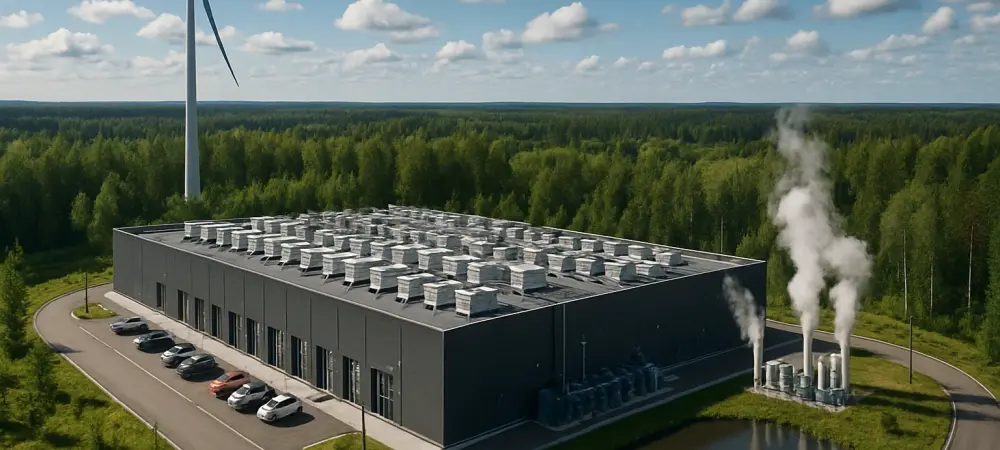
What happens when a tech giant from the Asia-Pacific region stakes a €1.2 billion claim in a quiet Finnish city, and how does this move impact the digital landscape of Europe? The digital world takes notice as DayOne, a powerhouse in the data center industry, constructs a colossal 128MW data center campus in Lahti, Finland, potentially redefining Europe’s tech landscape. With the global hunger for cloud computing and AI soaring, this project isn’t just about servers and circuits—it’s about shaping the backbone of tomorrow’s digital economy. Dive into the story behind this audacious investment and uncover what it signals for the future of sustainable technology.
A Strategic Gateway to Europe’s Digital Boom
Europe’s appetite for digital infrastructure has never been stronger, fueled by an explosion in data-driven technologies. From cloud storage to machine learning, businesses are scrambling for secure, scalable solutions, and Europe, with its strict data privacy regulations, is a critical battleground. Finland emerges as a standout choice, blending political stability, a tech-savvy workforce, and a prime location as a northern gateway to the continent. DayOne’s decision to plant roots in Lahti taps directly into this surging demand, positioning the company to meet the needs of enterprises hungry for reliable digital hubs.
This isn’t a random pin on the map. Lahti, roughly 100 kilometers northeast of Helsinki, offers unique advantages that align with the industry’s evolving priorities. Beyond its strategic position, the city’s infrastructure and forward-thinking policies create fertile ground for tech giants looking to expand. DayOne’s campus, sprawling across a repurposed industrial site in Kiveriö, symbolizes a bold step toward addressing Europe’s digital shortfall while setting a new standard for innovation in the sector.
Why Finland—and Lahti—Won DayOne’s Vote
Finland’s allure for data center projects lies in a trifecta of natural and policy-driven benefits. The country’s chilly climate is a goldmine for free-cooling technology, drastically cutting energy costs for facilities that hum around the clock. Add to that Finland’s leadership in renewable energy, and it’s clear why tech firms see it as a haven for sustainable operations. DayOne’s Lahti campus plans to harness these elements, incorporating heat reuse systems to further minimize environmental impact.
Lahti itself brings additional strengths to the table. Crowned the European Green Capital in 2021, the city is on a fast track toward carbon neutrality, offering a supportive backdrop for eco-conscious ventures. Mayor Niko Kyynäräinen has championed the project, pointing to Lahti’s clean energy resources, stable investment climate, and skilled labor pool as key draws. With a €1.2 billion injection, DayOne isn’t just building infrastructure—it’s sparking economic growth and cementing Lahti’s status as an emerging digital hotspot.
The numbers speak volumes about the potential ripple effects. Beyond the immediate construction of the first 50MW building, set to go live in 2027, the full 128MW capacity promises to attract major tech players. This synergy between local advantages and corporate ambition underscores why Lahti emerged as the ideal launchpad for DayOne’s European aspirations.
DayOne’s Global Muscle and Ambitious Vision
Behind this Finnish venture stands a company with serious credentials. DayOne, once the international arm of China’s GDS, rebranded earlier this year after a robust Series B funding round, now commanding over 500MW of capacity in service or under construction across Asia-Pacific hubs like Hong Kong, Singapore, and Japan. CEO Jamie Khoo has spotlighted Finland’s dependable energy grid and favorable conditions as pivotal to the Lahti endeavor, reflecting a calculated approach to global expansion.
Their reach doesn’t stop at Lahti. A parallel investment with Hyperco in Kouvola, tailored to serve tech titan ByteDance—parent company of TikTok—demonstrates DayOne’s knack for securing high-profile clients. This dual presence in Finland signals a broader strategy to dominate key European markets while leveraging a proven track record from Asia. The company’s ability to balance scale with innovation positions it as a formidable player on the world stage.
Confidence in DayOne’s execution isn’t just hype. Their portfolio, spanning multiple continents, showcases a commitment to delivering cutting-edge facilities that meet the complex demands of modern tech firms. As they break ground in Lahti, the industry watches closely, recognizing this project as a potential blueprint for future expansions in Europe and beyond.
Redefining Data Centers with Sustainability at the Core
DayOne’s Lahti campus isn’t just about raw power—it’s a showcase for what data centers of tomorrow could look like. By prioritizing sustainability, the project leverages Finland’s cool climate to slash energy use through free-cooling, a method that reduces reliance on traditional air conditioning. Plans for heat reuse further amplify this green ethos, turning waste energy into a resource for local systems, a move that could set a precedent for others in the field.
Partnerships play a crucial role in this vision. Close collaboration with Lahti’s municipal leaders ensures the project aligns with community goals, from job creation to environmental targets. This model of integrating corporate objectives with local priorities offers a lesson for other firms: success in new markets often hinges on mutual benefit. DayOne’s approach in Lahti could inspire a wave of similarly thoughtful developments across Europe.
Scalability remains a cornerstone of the plan. With the initial 50MW phase kicking off soon, the roadmap to full 128MW capacity anticipates future demand spikes. This forward-thinking design, paired with a focus on eco-efficiency, positions the campus as a potential benchmark. For industry observers, it’s a clear signal that balancing technological advancement with environmental responsibility isn’t just possible—it’s profitable.
Lessons for the Future of Digital Infrastructure
The implications of DayOne’s Finnish gamble extend far beyond a single city. As digital consumption accelerates—studies predict global data center demand will grow by 10% annually through 2030—projects like this highlight the urgent need for innovative solutions. Lahti’s campus offers a case study in marrying local strengths, such as renewable energy access, with global tech needs, creating a model that others might replicate in diverse regions.
Economic impacts also loom large. The €1.2 billion investment is already poised to boost Lahti’s profile, drawing attention from other tech investors. This domino effect could transform smaller cities into digital powerhouses, provided they offer the right mix of infrastructure and incentives. DayOne’s presence, alongside its Kouvola project, suggests Finland could become a nexus for such transformations, reshaping how Europe approaches digital growth.
Reflecting on this journey, DayOne’s bold move into Lahti carved a path for sustainable tech infrastructure. The groundwork laid over these initial years sparked vital conversations about balancing progress with planetary health. Looking ahead, stakeholders across industries were encouraged to prioritize eco-friendly designs and local partnerships in their expansions. The challenge remained clear: replicate this synergy in other corners of the globe, ensuring digital advancement didn’t come at the environment’s expense. The story of Lahti stood as a reminder that with strategic vision, technology could build bridges to a greener, more connected future.