

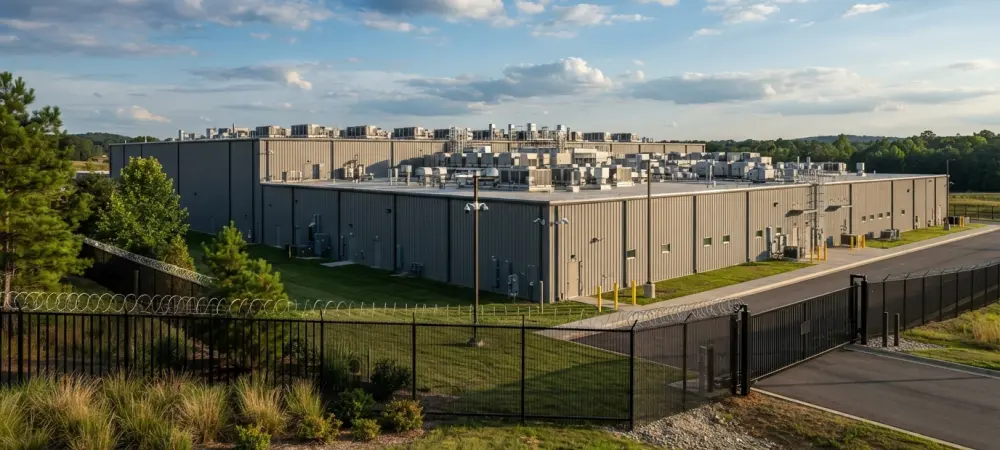
The global landscape of information technology is undergoing a fundamental transformation as nations realize that control over physical hardware is just as vital as the software running upon it. In an era where data is the new oil, the battle for digital territory is moving from the ephemeral cloud to the concrete and steel of sovereign data centers. As artificial intelligence and national security concerns converge, nations are shifting from unregulated digital expansion toward strategic, state-backed infrastructure models like the British Data Center Covenant. This analysis explores the transition toward “quid pro quo” infrastructure agreements, the rise of domestic digital sovereignty, and the evolving balance between industrial growth and local resource stewardship.
The Shift Toward Regulated Digital Infrastructure
Market Evolution and Adoption Statistics
Current fiscal strategies highlight a decisive pivot toward state-managed digital assets, exemplified by the 2026 budget initiatives that allocate a half-billion pounds specifically for AI safety and security. This investment signals a broader trend where the state no longer acts as a passive observer but as an active architect of the digital backbone. One of the most significant incentives for operators to align with sovereign requirements is the promise of expedited grid connections, which remains the single largest hurdle for the industry.
Financial commitments to oversight are also reaching new heights, with £23 million allocated for the AI Economics Institute to study the systemic impacts of this technological shift. These statistics represent more than just spending; they reflect a calculated move to ensure that the infrastructure supporting the digital economy remains under domestic influence. By prioritizing projects that comply with national standards, the government is effectively creating a tiered market where sovereignty is the ticket to rapid deployment and operational stability.
Real-World Applications and Strategic Frameworks
The British Data Center Covenant serves as a primary model for these reciprocal state-operator agreements. Under this framework, the traditional model of isolated private development is replaced by a partnership where developers receive streamlined regulatory pathways in exchange for measurable public benefits. This strategy addresses the immediate need for localized, sovereign sites designed to secure public service and military data on domestic soil, ensuring that sensitive information never traverses borders or falls under foreign jurisdiction.
To bypass traditional utility bottlenecks that have historically delayed projects, many developers are now implementing innovative on-site power generation solutions. These sovereign-compliant facilities are increasingly capable of operating independently of the national grid during peak periods, providing a resilient layer of infrastructure. This approach not only secures data but also stabilizes the local utility environment, proving that sovereign centers can function as assets to the community rather than just burdens on shared resources.
Industry Perspectives on Corporate Accountability
Prominent voices within the sector, including Gary Watson of Stellanor and Gary Wojtaszek of Pure Data Centres, suggest that the age of unchecked expansion is over. They argue that operators must “earn a place” within the national ecosystem through transparent resource management and social contribution. This perspective reflects a maturing industry that recognizes the necessity of resolving grid capacity bottlenecks through public-private partnerships rather than waiting for outdated utility models to catch up.
Legal and ethical bars for corporate accountability are rising regarding environmental impact and national security. There is a growing consensus that data centers can no longer operate as black boxes; instead, they must demonstrate their commitment to the host nation’s long-term goals. Legal frameworks are being adjusted to hold companies responsible for how they manage the massive energy and water requirements of AI-ready infrastructure, making sustainability a mandatory component of sovereign compliance.
The debate over digital sovereignty also raises difficult questions about the reliance on foreign technology providers. Mark Boost of Civo has highlighted the challenges of truly decoupling from global tech giants, arguing that true sovereignty is not just about where the servers sit, but who built the stack. This ongoing discussion underscores a tension between the convenience of global cloud solutions and the strategic necessity of building domestic alternatives that can survive geopolitical shifts or trade disruptions.
The Future Landscape of Sovereign Data Centers
Looking ahead, the industry is expected to move away from massive rural campuses and toward a more diverse network of regional facilities. This transition aims to ensure equitable digital growth across all postcodes, bringing high-tech jobs and connectivity to areas that were previously overlooked. This interventionist approach allows the state to direct development toward regions where power and water resources are more abundant, preventing the over-saturation of specific local markets.
However, managing the high energy demands of AI-ready infrastructure remains a significant challenge for local planners. Future projects will likely integrate more deeply with local energy grids, perhaps even contributing surplus power or heat back into the community. The long-term implications of state-mandated job creation and community investment mean that the tech sector will become a more visible and accountable part of the social fabric, rather than a hidden industrial consumer. The transition toward an organized, nationalistic approach to data infrastructure represented a significant departure from the laissez-faire digital policies of the previous decade. By reframing data centers as a shared public asset, governments moved to protect national security while fostering economic resilience. This shift required a delicate balance between the rapid expansion of AI capabilities and the protection of finite local resources, ensuring that the benefits of the digital age were distributed more fairly across society. The success of this sovereign model ultimately depended on the ability of both public and private sectors to align their interests under a unified strategic vision. It was determined that digital sovereignty could not be achieved through isolation alone but through the creation of a robust, domestic ecosystem that prioritized long-term stability over short-term profit. This evolution provided a roadmap for future infrastructure developments where social responsibility and technological advancement finally became inseparable goals.