

Dominic Jainy brings a wealth of experience in the intersection of digital infrastructure and power systems. Having navigated the complexities of AI and blockchain energy demands, he provides a critical lens on the proposed Tungkillo Compute and Energy Hub in South Australia. This project, a massive 1.2GW undertaking, represents a shift in how we think about data centers as integrated energy participants rather than just consumers.
Large-scale data centers often require massive power draws, and this project aims to hit a staggering 1.2 gigawatts at full capacity—how does the proposed energy mix of renewable sources and gas turbines change the traditional reliability model for such a facility?
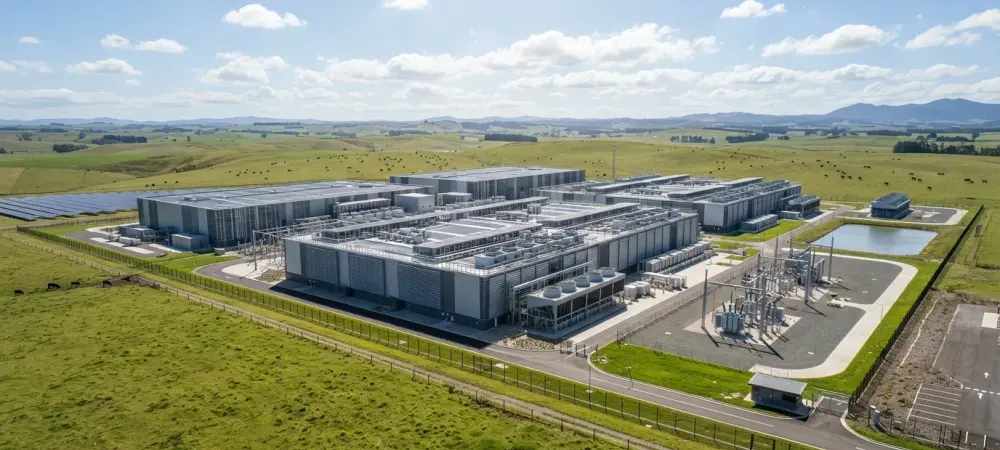
This approach represents a sophisticated departure from the industry’s reliance on diesel backups. By leveraging wind and solar for 80 percent of its electricity, the Tungkillo project aligns with the modern push for decarbonization while maintaining a safety net. The remaining 20 percent will be managed by on-site gas-powered turbines, which are specifically designed to kick in only when renewable output is low. This setup is quite innovative because the site can actually feed power back into the grid during peak times, turning a 220-hectare site into a stabilizing asset for the local energy network. It’s a bold move to eliminate diesel entirely, signaling a future where even the most power-hungry Tier IV facilities can operate with a much lighter environmental footprint.
Given the significant scale of the 220-hectare site, what specific infrastructure choices are being made to address concerns about environmental impact and local resource consumption in the Adelaide Hills?
The developers are being very intentional about the footprint, choosing to develop only 120 hectares while leaving the remaining 100 hectares as undeveloped grazing land. To address the sensitive issue of water scarcity in South Australia, the design incorporates a closed-loop cooling system, which drastically minimizes the water required to keep the servers running at peak efficiency. Building to Tier IV standards ensures that every piece of equipment, from the two substations to the three main data center buildings, operates with maximum redundancy. You can almost feel the tension between the high-tech requirement for cooling and the dry, pastoral reality of the hills, but these closed-loop systems are a vital engineering choice to prevent the facility from becoming a burden on local resources.
With over 1,600 signatures on petitions and a vocal opposition group of 3,300 members, how should developers navigate the community pushback regarding the transformation of rural land into a massive industrial hub?
The level of pushback we are seeing in Tungkillo, including the concerns raised by Senator Sarah Hanson-Young, highlights a growing friction between global digital needs and local preservation. When community members look at a quiet area 55 kilometers east of Adelaide, they see a landscape that has been defined by agriculture for generations, not gigawatt-scale infrastructure. Developers like Alby Tomassi must go beyond technical specifications and engage with the emotional value of the Adelaide Hills. It’s not just about proving that gas turbines won’t run continuously; it’s about demonstrating that a project of this magnitude can coexist with the community’s identity without destroying the very charm people move there to enjoy.
As South Australia sees several massive projects like this and the upcoming 1.3GW Stirling North campus, how do you see the region’s role evolving in the global data landscape over the next few years?
South Australia is rapidly becoming a global testbed for hyperscale energy integration, especially with Firmus planning their own 1GW site at Tailem Bend to be completed between 2026 and 2028. The sheer density of power—reaching over 3 gigawatts across a few key sites—positions the region as a critical hub for AI cloud computing in the Southern Hemisphere. We are moving toward a reality where data centers are no longer isolated boxes but are instead the heart of regional energy ecosystems. If these projects succeed in balancing 1.2GW of demand with renewable integration, they will set the blueprint for how the world handles the massive compute requirements of the coming decade.
What is your forecast for the future of green data centers in the Southern Hemisphere?
I believe we are going to see a “gold rush” of energy-integrated facilities where the data center is essentially a giant battery and regulator for the public grid. By 2031, when the Tungkillo site reaches full build-out, we will likely see a standard where no new data center can be approved without a 100% renewable path and a net-positive water strategy. The Southern Hemisphere, with its vast solar and wind resources, is uniquely positioned to lead this charge, proving that we can power the world’s most advanced AI without compromising the natural beauty of our rural landscapes.