

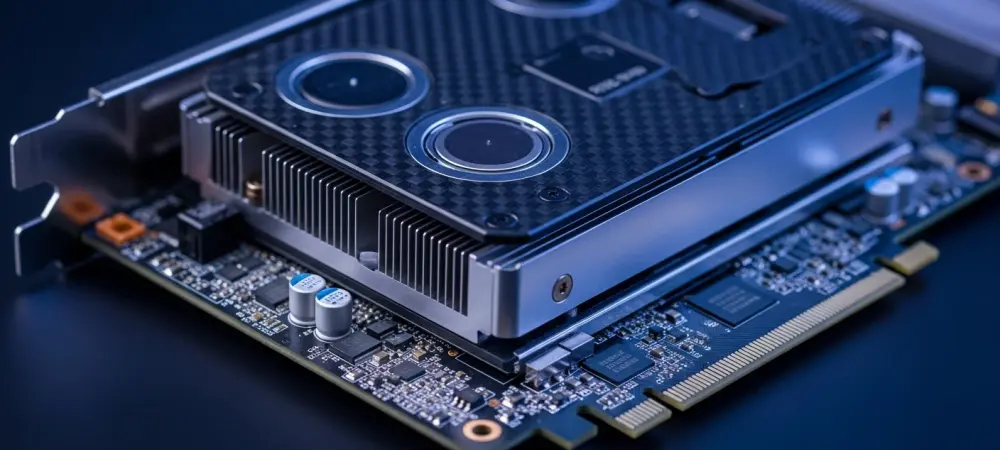
The contemporary graphics card landscape is undergoing a radical metamorphosis where raw computational performance no longer serves as the solitary benchmark for enthusiast approval. As the PC market matures, manufacturers are finding that “intelligent” hardware design is the new frontier for maintaining market relevance. This transition marks a departure from raw speed toward a more holistic approach that prioritizes durability and user communication. The focus now rests on how components can monitor their own health and self-regulate under thermal pressure in an era of increasingly expensive silicon.
The Evolution of Intelligent Graphics Architecture
Shifting Market Dynamics and Adoption Trends
Current trends from 2026 to 2028 suggest that high component costs have tempered the frequency of major upgrades, driving a focus on experimental utility. Consumers now prioritize hardware-level safety features, such as power stability monitoring, over purely aesthetic RGB lighting. This shift reflects a growing demand for functional digital interfaces that provide real-time telemetry. These “smart” features are essential for maintaining engagement during periods with fewer major product launches, providing a tangible sense of value for the user.
Case Study: Inno3D’s Next-Gen Concept Prototypes
Inno3D’s iChill triple-fan prototypes exemplify this trend by integrating front-facing displays for critical real-time telemetry. These models utilize massive four-slot shrouds and a “Dual-Flow Through” design to optimize thermal dissipation for high-end enthusiasts. The use of vented backplates and “Infinity displays” suggests a future where cooling efficiency is paired with sophisticated aesthetic choices. These concepts transform the GPU shroud into an active monitoring hub, pushing the boundaries of traditional card architecture.
Industry Perspectives on Utility-Driven Design
The integration of “12VHPWR Current Guards” addresses critical safety concerns regarding the 16-pin power connector failures seen in previous hardware cycles. Expert commentary highlights the use of internal gyroscopes to power “leveling alerts” that notify users if heavy hardware begins to sag. These innovations represent a necessary convergence of digital monitoring tools and traditional thermal engineering. By creating “smart” cooling solutions, manufacturers are addressing the long-term physical risks associated with modern hardware.
The Future of Smart Thermal and Electrical Engineering
Predictions indicate that real-time health monitoring will soon transition from niche prototypes to industry standards. AI-driven thermal management and automated safety throttles could eventually be integrated directly into GPU shrouds to manage heat signatures predictively. This balance between complexity and longevity provides users with a level of peace of mind that raw performance cannot offer. As these technologies mature, they will redefine the value proposition for the next generation of professional hardware.
Conclusion: A New Standard for Component Reliability
The industry shifted from performance-only metrics to high-utility, self-monitoring hardware designs that prioritized long-term reliability. Inno3D’s innovations set a significant precedent for the future of the NVIDIA RTX ecosystem by addressing specific consumer concerns regarding safety. Stakeholders recognized that the next logical step involved the widespread adoption of modular sensor arrays. These steps ensured that hardware remained resilient against both electrical failures and physical degradation. Future developments focused on creating autonomous cooling systems requiring minimal user intervention.