

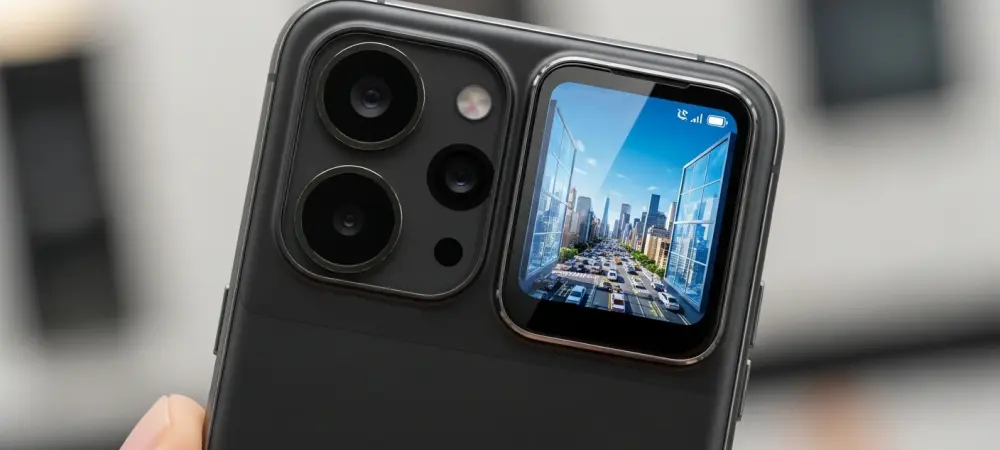
In a world where smartphone designs often feel like variations on a familiar theme, the race to captivate consumers with truly novel features has never been more intense. The smartphone market, saturated with incremental upgrades, is witnessing a bold push for differentiation, and one of the most intriguing developments is the emergence of rear display technology. This secondary screen on the back of a device promises to redefine user interaction, offering a fresh perspective in an industry hungry for innovation. As manufacturers strive to stand out, this trend signals a potential shift in how functionality and convenience are perceived. This analysis dives into the significance of rear displays, spotlighting the Xiaomi 17 Pro Max as a prime example, exploring its features, the broader market context, and the challenges and possibilities that lie ahead.
The Emergence of Rear Display Technology in Smartphones
Market Dynamics and Adoption Patterns
The smartphone industry today faces a unique challenge: with core functionalities nearing perfection, differentiation has become the key to capturing consumer interest. Market saturation has driven manufacturers to experiment with unconventional features, and rear displays represent a compelling attempt to break the mold. Industry reports suggest that while primary screen technology continues to dominate innovation budgets, niche features like secondary displays are gaining traction among select brands aiming to carve out a distinct identity in a crowded space.
Xiaomi, known for pushing boundaries with experimental designs, has emerged as a frontrunner in adopting rear display technology. Although comprehensive global adoption data remains limited, regional insights indicate a growing curiosity, particularly in markets where Xiaomi holds a strong presence. The introduction of this feature in flagship models hints at a calculated risk to test consumer appetite for such innovations, setting the stage for potential wider implementation if demand solidifies.
Case Study: The Xiaomi 17 Pro Max in Focus
Delving into a specific application, the Xiaomi 17 Pro Max showcases the practical allure of rear display technology. Positioned on the back of the device, this secondary screen serves as a viewfinder for the powerful rear camera, allowing users to frame high-quality selfies and videos with precision. This functionality addresses a common pain point in smartphone photography, elevating the user experience beyond what traditional front-facing cameras can offer.
Beyond photography, the rear display on the Xiaomi 17 Pro Max offers additional utility that enhances everyday convenience. It displays notifications, time, and always-on features such as a pedometer, which remain accessible even when the phone is placed face down. These small but thoughtful additions demonstrate an intent to integrate the secondary screen into daily routines, though their impact depends on user habits and preferences.
A critical aspect of this implementation is its positioning within Xiaomi’s broader product strategy. Priced just under $1,090 as a direct import, the device targets a premium segment, suggesting that the rear display is marketed as a luxury feature rather than a universal necessity. This raises questions about its accessibility and appeal across diverse consumer demographics, a factor that could shape its long-term success.
Expert Insights on Rear Display Advancements
Industry analysts and tech reviewers have weighed in on the significance of rear displays as a differentiating factor in the smartphone landscape. Many view this innovation as a bold step toward reimagining device interaction, particularly in a market where aesthetic and functional upgrades often feel incremental. The consensus highlights that while the concept is promising, its ability to stand out hinges on creating a seamless and intuitive user experience that justifies the added complexity.
Challenges, however, remain a focal point of expert discussions. A notable concern is the lack of robust developer support for niche features like rear displays, which could limit their utility if apps and widgets fail to leverage the secondary screen effectively. Additionally, global market appeal poses a hurdle, as the Xiaomi 17 Pro Max and its unique feature are not yet widely available, potentially restricting their impact to specific regions and user groups.
Experts also point to the need for sustained investment from manufacturers to ensure that such features evolve beyond gimmicks. For Xiaomi, balancing innovation with scalability will be crucial, as the rear display’s success depends on whether it can resonate with a broad audience or risks being overshadowed by more universally adopted technologies. These insights underscore the delicate balance between experimentation and practicality in today’s competitive tech environment.
Future Horizons for Rear Display Technology
Looking ahead, the evolution of rear displays holds intriguing possibilities that could deepen their relevance in smartphone design. One potential direction is the adaptation of app ecosystems originally developed for foldable devices, which could bring enhanced functionality to secondary screens. Such cross-pollination might unlock new use cases, transforming the rear display into a more versatile tool for users seeking tailored experiences.
The benefits of this technology are clear in specific scenarios, particularly in enhancing photography through precise framing and offering quick access to information without flipping the device. However, obstacles like limited developer interest and regional availability could hinder widespread adoption. Without a critical mass of supporting applications, the rear display risks remaining an underutilized feature, confined to a niche audience rather than becoming a transformative trend.
Broader implications for the smartphone industry also merit consideration. If rear displays gain traction, they could inspire a wave of similar innovations, prompting competitors to explore unconventional screen placements or functionalities. Conversely, if they fail to capture mainstream interest, they might be relegated to experimental status, serving as a reminder of the fine line between innovation and practicality. The trajectory from 2025 onward will likely depend on how manufacturers like Xiaomi address these challenges and whether consumer demand aligns with the vision behind this technology.
Final Reflections on Innovation and Utility
Reflecting on the journey of rear display technology, it is evident that devices like the Xiaomi 17 Pro Max carve a unique niche with their secondary screens, offering a glimpse into the future of smartphone interaction. The blend of enhanced photography capabilities and convenient access to information stands out as a testament to creative design, even if the feature’s broader impact remains constrained by practical limitations. As a path forward, stakeholders in the smartphone ecosystem are encouraged to prioritize developer engagement to unlock the full potential of rear displays, ensuring that software innovation keeps pace with hardware advancements. Monitoring Xiaomi’s commitment to refining this technology over the coming years becomes a critical step for gauging its viability. Ultimately, the exploration of such features underscores the industry’s relentless drive to redefine user experiences, paving the way for thoughtful dialogue on balancing novelty with everyday relevance.