

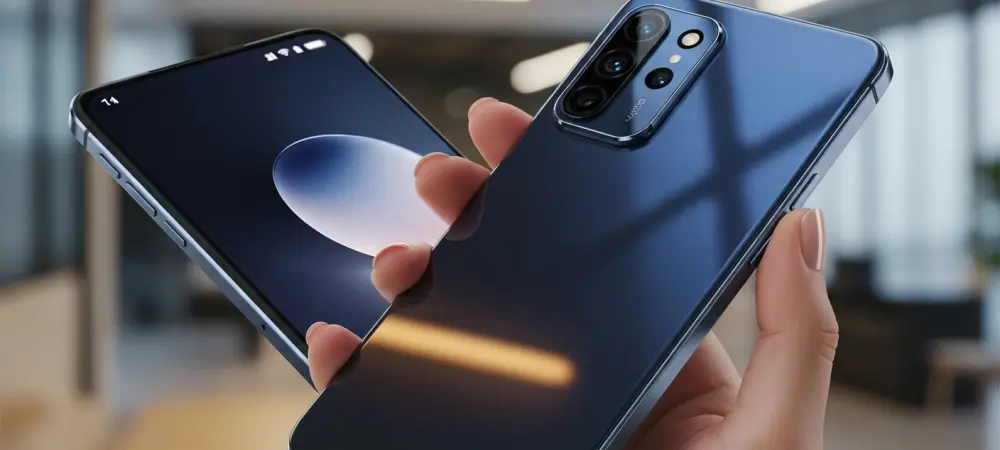
In an era where smartphone screens seem to grow larger with every release, a surprising shift is capturing attention: the rising demand for compact flagships that deliver top-tier performance in a smaller, more manageable size, catering to users who crave portability without sacrificing power. This niche but growing segment challenges the dominance of oversized devices. As rumors swirl about upcoming models like the iQoo 15 Mini, the industry appears poised to redefine user expectations, blending cutting-edge technology with pocket-friendly designs. This trend signals a pivotal moment in smartphone evolution, where form factor becomes as critical as raw specs.
The Emergence of Compact Flagship Smartphones
Consumer Interest and Market Shifts
The smartphone market has long been dominated by larger displays, with screen sizes often exceeding 6.5 inches over the past decade. However, recent industry reports indicate a notable uptick in consumer interest in smaller, high-performance devices. Surveys from tech analysts suggest that a significant subset of users—particularly those prioritizing one-handed usability—seek alternatives to the bulky designs that have become standard. This shift reflects a desire for convenience without compromise, driving brands to explore compact flagships as a viable segment.
Manufacturers are taking notice of this demand, carving out space for devices that pack flagship-grade hardware into reduced footprints. Unlike the budget-focused compact phones of yesteryear, today’s offerings target premium users with cutting-edge specs. The push for smaller form factors, while still a niche, is gaining momentum as companies aim to diversify their portfolios and address varied consumer needs, setting the stage for innovative releases in the near future.
This trend also contrasts sharply with the market’s trajectory over recent years, where bigger screens were equated with better experiences for media consumption and gaming. Now, the balance is tilting as portability emerges as a key selling point for a dedicated audience. The response from brands, though cautious, hints at a broader rethinking of design priorities, with compact flagships potentially reshaping how performance is packaged and marketed.
Key Examples and Technological Advances
Among the most talked-about devices in this category is the iQoo 15 Mini, rumored to be in testing with a planned debut in the first half of next year. Boasting a 6.31-inch 1.5K display, this model promises a high-quality visual experience in a smaller frame, paired with the MediaTek Dimensity 9500+ chipset—an overclocked variant designed for flagship-level performance. Such specifications highlight how compact devices are no longer synonymous with stripped-down features but are instead positioned as serious contenders.
Competing in this space are other anticipated releases like the OnePlus 15T, which is expected to emphasize raw performance, and the Oppo Find X9s, potentially focusing on superior imaging capabilities. These devices illustrate the diversity within the compact flagship segment, where brands differentiate through specialized strengths rather than merely shrinking existing models. Each offering aims to capture a slice of the market by addressing distinct user preferences, from speed to photography.
The iQoo 15 Mini’s development, alongside these competitors, underscores a tangible commitment to this trend. With testing phases underway and launch timelines taking shape, the industry is witnessing a wave of innovation tailored to smaller devices. This momentum suggests that compact flagships are not a fleeting experiment but a strategic direction for manufacturers aiming to stand out in a crowded market.
Industry Insights on Compact Flagship Dynamics
Tipsters and leaks, such as posts from Digital Chat Station on Weibo, reveal a competitive landscape where strategic decisions are shaping the compact flagship segment. Notably, iQoo’s choice to equip the 15 Mini with the MediaTek Dimensity 9500+ over Qualcomm’s Snapdragon 8 Elite Gen 5 reflects a calculated move, possibly driven by cost, design constraints, or thermal management in a smaller chassis. Such decisions highlight the nuanced trade-offs manufacturers face when targeting this unique category.
Analyst commentary further emphasizes that the performance gap between MediaTek and Qualcomm chipsets has narrowed significantly, as evidenced by benchmark comparisons like AnTuTu scores. This convergence allows brands greater flexibility in hardware selection without risking user satisfaction. For compact flagships, where space and heat dissipation are critical concerns, opting for efficient yet powerful alternatives like the Dimensity 9500+ can be a game-changer, enabling high performance in constrained dimensions.
Beyond chipset choices, experts point to the broader challenge of balancing size, power, and price in these devices. Compact flagships must deliver on flagship promises—be it in processing speed, camera quality, or battery life—while maintaining affordability for their target audience. This delicate equilibrium drives innovation, pushing companies to rethink design and component integration, ultimately influencing consumer options and setting new benchmarks for what smaller smartphones can achieve.
Future Prospects for Compact Flagship Innovations
Looking ahead, the compact flagship segment holds promise for advancements in chipset efficiency and display technology that could further enhance smaller devices. Innovations in miniaturization might allow for even more powerful hardware to fit into tight spaces, while foldable or flexible screen technology could offer compact yet expansive viewing options. These developments would address current limitations, making compact flagships more appealing to a wider audience over time.
The benefits of this trend are clear: improved portability, ease of one-handed use, and a return to ergonomic designs that fit comfortably in daily life. However, challenges persist, such as integrating high-end components without overheating or compromising battery capacity. Manufacturers will need to tackle these hurdles through smarter engineering and material choices to ensure that compact devices don’t fall short of their larger counterparts in user experience.
On a broader scale, the rise of compact flagships could influence mainstream smartphone design, encouraging a rethink of size as a defining factor. This trend might particularly resonate with demographics like younger users or those in urban settings who prioritize mobility. Yet, risks remain—if execution falters or market appeal stays limited, the segment could struggle to gain widespread traction, underscoring the need for precision in targeting and innovation.
Closing Thoughts and Next Steps
Reflecting on the discussions that unfolded, the journey of compact flagships marks a significant pivot in smartphone design philosophy. The spotlight on devices like the iQoo 15 Mini, with its rumored high-end specs and strategic positioning, alongside competitors such as the OnePlus 15T, showcases how manufacturers adapt to diverse user demands. This movement toward smaller, powerful handsets carves out a vital space for innovation, reshaping expectations in a market once fixated on size.
As this trend gains ground, the actionable path forward rests on continued refinement and consumer engagement. Brands need to invest in solving technical challenges like thermal management while ensuring these devices remain accessible in price and appeal. For users, exploring compact flagships as viable options for their next upgrade offers a chance to prioritize usability without sacrificing performance, paving the way for a more personalized smartphone landscape in the years ahead.