

Setting the Stage for Sony’s Smartphone Saga
In an era where smartphone innovation drives consumer loyalty and market share, Sony’s Xperia series stands as a testament to blending cutting-edge technology with niche appeal, carving out a unique space in a saturated market. Picture a landscape filled with devices vying for attention, yet Sony distinguishes itself by focusing on multimedia excellence and premium hardware. This review delves into the evolution of the Xperia lineup, exploring how Sony navigates the competitive landscape with a strategic balance of flagship and mid-range offerings.
The journey of the Xperia brand reflects a commitment to pushing technological boundaries while adapting to shifting consumer demands. From pioneering display technologies to integrating high-performance chipsets, Sony has positioned itself as a brand for enthusiasts who value quality over mass-market trends. This analysis aims to uncover the strengths and challenges of the current Xperia portfolio, shedding light on its relevance today.
Diving into the Xperia Technology Landscape
Flagship Prowess: The Xperia 1 Series
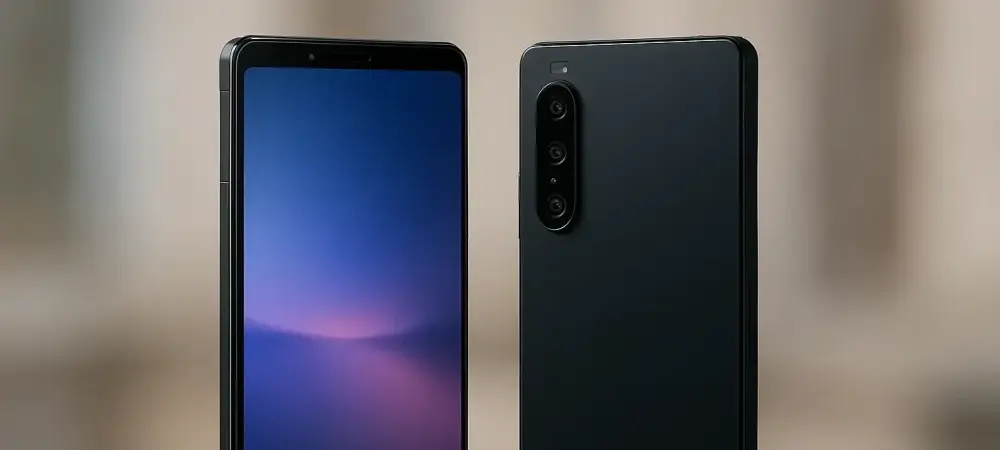
The Xperia 1 series remains Sony’s crown jewel, embodying the pinnacle of mobile innovation with each release. The latest iteration, powered by Qualcomm’s Snapdragon 8 Elite chipset, showcases a dedication to top-tier performance. This flagship model caters to users who demand seamless multitasking, immersive gaming, and professional-grade multimedia capabilities, setting a high bar in the premium segment.
A key feature of these devices is their focus on display and audio excellence, often integrating technologies inspired by Sony’s expertise in professional cameras and entertainment systems. The emphasis on 4K displays and high-resolution audio ensures that users experience content as creators intended. Such advancements highlight Sony’s intent to target a discerning audience that prioritizes quality over mere specifications.
Beyond hardware, the Xperia 1 series benefits from software optimizations that enhance user interaction and creative control. Features like manual camera settings and cinematic recording modes appeal to content creators and tech enthusiasts alike. This fusion of hardware and software underscores Sony’s vision of delivering a holistic premium experience in the smartphone arena.
Mid-Range Mastery: The Xperia 10 Series
Shifting focus to the mid-range segment, the Xperia 10 series offers a compelling balance of affordability and signature Sony features. Equipped with chipsets like the Snapdragon 6 Gen 3, these devices provide reliable performance for everyday tasks without the hefty price tag of flagships. They serve as an entry point for consumers seeking quality within a constrained budget.
The design philosophy of the Xperia 10 lineup emphasizes practicality while retaining elements like superior display ratios and audio fidelity. These aspects ensure that even mid-tier models deliver an experience consistent with Sony’s brand identity. This approach allows the company to appeal to a broader demographic, bridging the gap between premium and accessible technology.
Speculation around upcoming models suggests a continuation of this strategy, with potential enhancements in battery efficiency and camera performance. By maintaining a clear distinction between flagship and mid-range offerings, Sony ensures that each device serves a specific market need. This segmentation is crucial for sustaining relevance across diverse consumer segments.
Strategic Shifts in Product Focus
Sony’s recent decision to discontinue the Xperia 5 series reflects a calculated move to streamline its portfolio. This mid-premium line faced declining demand and overlapped with other models, prompting a pivot toward more distinct flagship and mid-range categories. Such restructuring demonstrates a pragmatic response to market dynamics and resource optimization.
This shift allows Sony to allocate innovation and marketing efforts more effectively, ensuring that each release makes a significant impact. By focusing on fewer but more targeted devices, the company aims to avoid consumer confusion and strengthen brand positioning. The move also signals an awareness of evolving preferences, prioritizing clarity over quantity in product offerings.
The implications of this strategy extend to how Sony competes in a crowded market, where differentiation is key. A leaner lineup could enhance the visibility of flagship models while maintaining a foothold in the mid-range space. This deliberate focus is poised to refine Sony’s competitive edge, aligning product development with tangible consumer needs.
Innovations Through Strategic Collaborations
A cornerstone of Sony’s technological advancement lies in its partnership with Qualcomm, particularly the integration of the Snapdragon 8 Elite Gen 5 chipset in upcoming flagship models. This collaboration positions the Xperia lineup at the forefront of mobile performance, promising unparalleled speed and efficiency. It reflects a shared commitment to pushing hardware boundaries.
Beyond processing power, potential advancements in camera technology and display innovation are anticipated to redefine user expectations. Sony’s heritage in imaging could translate into groundbreaking features, such as enhanced low-light photography or cinematic video capabilities. These developments aim to solidify the brand’s reputation for multimedia excellence.
Additionally, design refinements may play a pivotal role in future releases, with an emphasis on ergonomics and aesthetic appeal. By combining cutting-edge internals with thoughtful exteriors, Sony seeks to create devices that resonate on both functional and emotional levels. Such holistic innovation is essential for standing out in a market driven by rapid technological turnover.
Navigating Competitive Challenges
Despite its strengths, Sony faces formidable challenges in the smartphone industry, particularly from dominant players like Apple and Samsung in the flagship arena. These giants command vast market share and brand loyalty, making it tough for Sony to expand beyond its niche audience. The competition necessitates constant innovation to justify premium pricing.
In the mid-range segment, brands like Xiaomi and Motorola pose threats with aggressive pricing and feature-packed devices. Sony’s challenge lies in balancing cost with quality, ensuring that mid-tier models remain competitive without diluting brand value. This delicate equilibrium is critical for capturing a wider consumer base.
Moreover, limited marketing reach and regional availability hinder broader adoption of Xperia devices. Addressing these gaps through targeted campaigns and strategic partnerships could amplify visibility. Sony’s focus on niche innovation must be complemented by efforts to enhance accessibility and consumer awareness in key markets.
Reflecting on Sony’s Xperia Journey
Looking back, Sony’s Xperia lineup has demonstrated a compelling blend of technological prowess and strategic adaptation. The focus on high-performance flagships and accessible mid-range models showcases an understanding of diverse market needs. Each release builds on a legacy of multimedia excellence, even as competitive pressures mount.
The decision to streamline the product portfolio by phasing out overlapping series proves to be a pragmatic step, allowing for sharper focus on impactful innovation. Partnerships, particularly with Qualcomm, play a vital role in maintaining a competitive edge in hardware performance. These efforts help Sony carve out a distinct identity amidst industry giants.
Moving forward, Sony should consider expanding its global presence through enhanced distribution channels and localized marketing initiatives. Investing in consumer education about unique features like professional-grade imaging could further differentiate the brand. By aligning innovation with accessibility, Sony can build on past achievements to secure a stronger foothold in the ever-evolving smartphone landscape.