

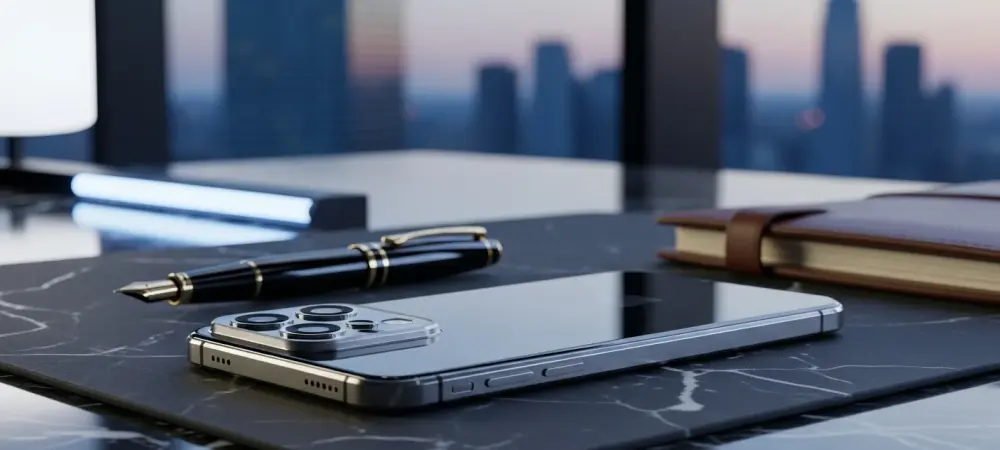
Mobile technology has officially moved beyond the era of simple incremental updates to a phase where the “Ultra-Premium” category is rewriting the rules of consumer spending. While budget-friendly devices once dominated market share, a fundamental shift in global behavior is pushing flagship sales to new heights. Manufacturers are no longer just selling tools; they are offering high-status symbols that merge professional-grade hardware with luxury aesthetics. This transition reflects a strategic maneuver by tech giants to secure a foothold in the luxury space. The focus has moved from mass-market volume to high-margin exclusivity. By integrating specialized features and sophisticated branding, companies are successfully convincing a broader demographic that a smartphone is a long-term investment rather than a disposable gadget.
The Financial Trajectory: High-End Flagships
Statistical Growth: Pricing Evolution
The global smartphone market is currently experiencing a notable rise in Average Selling Price (ASP). Despite longer upgrade cycles, demand for devices in the $1,000+ bracket remains resilient. This trend is driven by a consumer preference for longevity and performance, as users choose to pay more upfront for a device that remains relevant for several years.
However, the surge in retail pricing is not merely a branding choice. Increased component costs, particularly for advanced chipsets and high-resolution displays, have forced manufacturers to adjust their MSRPs. Inflationary pressures in the global supply chain have further solidified this upward pricing trajectory, making the four-figure smartphone the new industry standard.
Real-World Applications: The Xiaomi 17 Series Launch
Xiaomi’s recent strategic shift serves as a primary case study for this evolution. With the global debut of the Xiaomi 17 and 17 Ultra, the brand has transitioned from a “value-king” to a premium contender. This move is supported by strategic partnerships, such as the Leica-branded camera systems, which provide the technical prestige necessary to justify a premium price point.
To further attract high-net-worth consumers, the brand has embraced luxury-tier aesthetics. The introduction of limited editions, like the “Starry Green” variant, targets users who prioritize exclusivity and design. By offering a diverse palette alongside top-tier hardware, the manufacturer is successfully bridging the gap between mainstream tech and luxury lifestyle products.
Expert Perspectives: Brand Value and Consumer Trust
Industry analysts suggest that “Quality Assurance Plans” are becoming essential psychological anchors for high-cost purchases. When a consumer spends nearly $1,700 on a device like the 17 Ultra, they expect more than just hardware; they demand comprehensive support. Extended warranties and free screen replacements serve to mitigate the “sticker shock” and build long-term brand loyalty.
Furthermore, the necessity of high-spec hardware, including 16GB of RAM and the latest Snapdragon processors, is no longer optional. Experts note that regional price disparities between European and Asian markets remain a challenge for brand positioning. Nevertheless, the consistency in hardware performance across borders helps maintain a unified global image of excellence and reliability.
The Future: The Ultra-Premium Ecosystem
The sustainability of the $1,500+ tier remains a subject of intense debate among market watchers. While there may eventually be a “luxury ceiling,” current trends suggest that specialized AI hardware and satellite connectivity will continue to drive value. These innovations provide tangible benefits that distinguish flagship models from their mid-range counterparts, which may eventually see a decline in manufacturer focus.
Broader economic fluctuations will undoubtedly impact luxury tech adoption in the coming years. However, the industry is betting on the fact that mobile devices have become the primary hub for both professional and personal life. As long as manufacturers can provide breakthrough utility, the ultra-premium segment will likely remain the most profitable and influential sector of the mobile landscape.
Conclusion: The New Standard of Mobile Excellence
The market successfully pivoted from hardware-focused competition to a model centered on status and long-term service. Consumers demonstrated a willingness to prioritize device longevity and professional capabilities over frequent, cheaper upgrades. This shift solidified the premium segment as a permanent fixture of the tech industry. Moving forward, the focus will likely move toward deeper software integration and sustainable hardware that can survive a half-decade of use. Manufacturers who mastered the balance of luxury and utility established a blueprint for the next decade of mobile innovation.