

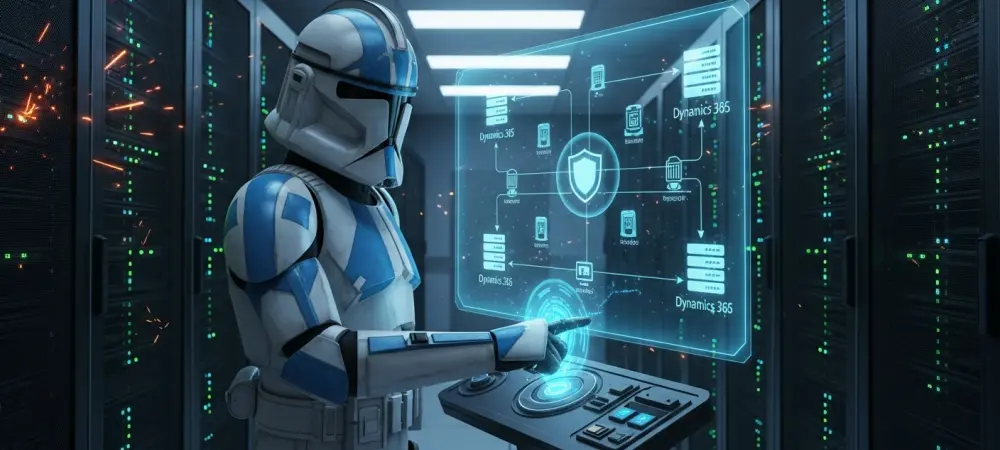
The enterprise landscape currently faces a significant bottleneck when IT departments attempt to replicate complex Microsoft Dynamics 365 environments for testing or development purposes. Traditionally, this process has been marred by manual scripts and human error, leading to extended periods of downtime that can stretch over several days. Such inefficiencies not only stall mission-critical projects but also introduce substantial security risks when production data is moved into less secure sandbox environments without proper oversight. To address these systemic hurdles, Clone Commander emerged as a sophisticated automation utility designed to streamline the replication of Dynamics 365 Finance and Supply Chain Management instances. By transitioning from inconsistent, human-led procedures to a governed framework, organizations can now achieve a complete environment clone in just a few hours. This shift ensures that data integrity remains uncompromised while providing a reliable foundation for developers and system administrators to operate with confidence.
Technical Safeguards for Data Integrity: Enhancing Environment Security
Maintaining the sanctity of sensitive information is a cornerstone of modern compliance, yet manual cloning often leaves personal identifiable information exposed within non-production tiers. Clone Commander mitigates this vulnerability through automated data masking and trimming protocols that anonymize records while stripping away redundant datasets to optimize storage. Beyond mere data protection, the tool addresses the dangerous potential for accidental external interactions by suppressing outbound integration calls during the replication phase. This prevents non-production environments from inadvertently triggering live emails, payments, or API calls to third-party vendors, which could otherwise result in catastrophic operational errors. Furthermore, the system meticulously aligns user roles between production and the new replica, ensuring that access controls remain consistent and appropriate for the sandbox context. By centralizing these technical controls, the automation engine creates a secure, sanitized version of the production environment that serves as an ideal staging ground for rigorous validation.
Strategic Implementation: Optimizing Project Delivery and System Stability
The deployment of an automated replication framework proved to be a decisive factor in stabilizing mission-critical ERP systems during high-stakes performance tuning and complex project rescues. By providing an exact but safe replica of production data, technical teams diagnosed real-world performance issues and validated fixes without any risk to live operations. While this utility did not replace established DevOps or Application Lifecycle Management practices, it functioned as a vital complementary tool that bridged the gap between raw data and actionable insights. Organizations that adopted this automated approach realized significant reductions in delivery risks and enhanced their ability to remediate system flaws before they impacted the bottom line. Moving forward, the emphasis shifted toward integrating these automated cloning capabilities into broader continuous delivery pipelines to ensure ongoing system resilience. Stakeholders were encouraged to evaluate their current environment management strategies and prioritize the adoption of obfuscated, automated data replication to safeguard their digital infrastructure against emerging operational challenges.