

In an era where smartphone technology evolves at a breakneck pace, capturing consumer attention requires more than just incremental upgrades—it demands bold innovation and strategic foresight to stay ahead of the curve. OnePlus has consistently positioned itself as a trailblazer in this competitive landscape, redefining expectations with each release. The recent launch of the OnePlus 15 and OnePlus Ace 6 in China marks a pivotal moment, showcasing cutting-edge features and a dual-launch strategy that could reshape market dynamics. This analysis delves into the standout innovations of these devices, explores the implications of launching a flagship alongside a performance-focused model, and evaluates their potential to influence industry standards.
Unveiling the OnePlus 15 and Ace 6: A New Era of Innovation
Launch Details and Market Positioning
The official debut of the OnePlus 15 and OnePlus Ace 6 took place on October 27 at 7 PM local time in China, an event widely publicized through a post on Weibo that clarified earlier speculation about the timeline. This announcement not only confirmed the launch but also offered an early peek into the design and capabilities of both devices, generating significant buzz among tech enthusiasts. The strategic timing in the Chinese market, a hub for smartphone innovation, underscores OnePlus’s intent to solidify its presence in a highly competitive region.
Pre-reservation data from platforms like Oppo e-Shop and JDMall reveals strong early consumer interest, with thousands of users securing spots even before full specifications were disclosed. Industry reports suggest that dual-launch strategies, as adopted by OnePlus, align with a growing trend among smartphone brands to maximize market impact by catering to varied buyer segments in a single event. This approach positions OnePlus to capture attention across price points while leveraging the hype of a flagship reveal to boost visibility for the Ace 6.
Such market positioning reflects a broader shift in the industry toward diversified product rollouts, ensuring that brands maintain relevance amid fluctuating consumer preferences. By offering pre-reservations, OnePlus demonstrates a keen understanding of building anticipation, a tactic that could translate into robust initial sales figures. This move sets a benchmark for how brands can blend accessibility with excitement in crowded markets.
Feature Highlights and Design Breakthroughs
Turning to the OnePlus 15, this flagship device emerges as a technological powerhouse, equipped with the Snapdragon 8 Elite Gen 5 chipset, which promises unparalleled processing speeds. Its 165Hz 1.5K OLED display offers an ultra-smooth visual experience, ideal for gamers and multimedia consumers, while a 7,000mAh battery with 100W wired and 50W wireless charging ensures longevity and convenience. These specifications highlight a commitment to pushing hardware limits in the premium segment.
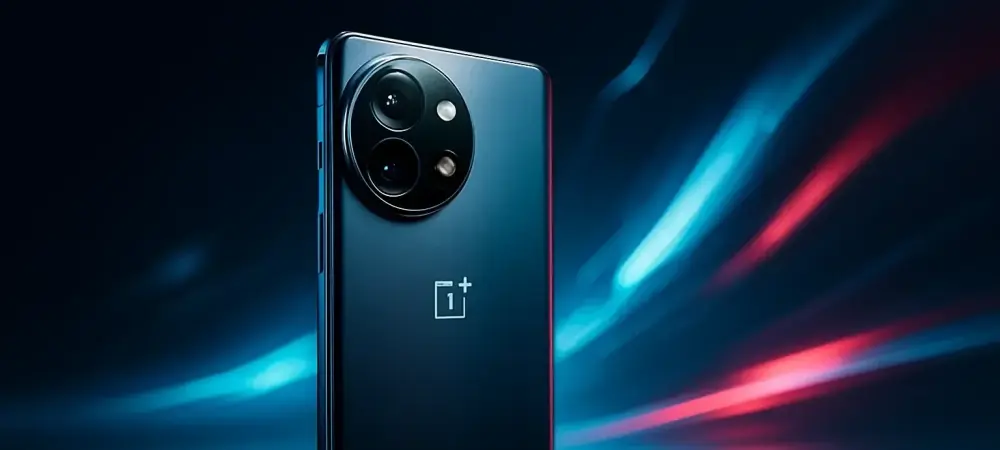
In contrast, the OnePlus Ace 6 targets performance enthusiasts with a slightly different focus, featuring a 1.5K BOE OLED display at a 120Hz refresh rate and a staggering 7,800mAh battery supported by 120W wired charging. While its chipset details remain under wraps, speculation points to a high-end Snapdragon variant, positioning it as a formidable contender in its category. The design, with a dual-sensor camera layout compared to the OnePlus 15’s triple setup, still maintains a sleek aesthetic that appeals to style-conscious buyers.
Aesthetic innovation shines through in the Ace 6’s color options, including a striking silver variant with distinct Ace branding and a luxurious golden finish, setting it apart visually. These design choices, paired with robust hardware, illustrate how OnePlus balances form and function to cater to diverse tastes. This blend of cutting-edge technology and bold styling signals a trend of elevating user experience beyond mere specifications, challenging competitors to follow suit.
Industry Insights on OnePlus’s Dual-Launch Strategy
The simultaneous release of the OnePlus 15 and Ace 6 has drawn attention from tech analysts who view this dual-launch tactic as a calculated move to address multiple consumer segments. By pairing a premium flagship with a performance-oriented model, OnePlus effectively targets both high-end buyers seeking the latest technology and value-conscious users looking for powerful yet accessible devices. This strategy amplifies market reach during a single launch window, a method gaining traction among leading smartphone brands.
Expert opinions emphasize the potential benefits and challenges of such an approach, with some analysts noting that it allows for shared marketing momentum, reducing promotional costs per device. However, maintaining distinct brand identities for each model remains a hurdle, as overlapping features could blur consumer perceptions. Industry leaders suggest that OnePlus’s ability to clearly differentiate the OnePlus 15’s luxury appeal from the Ace 6’s performance value will be critical to avoiding market confusion.
Beyond immediate sales, this dual-launch framework could strengthen OnePlus’s competitive edge, particularly in China, where consumer demand for innovation is relentless. Analysts predict that success in this region might encourage global expansion of similar strategies, potentially reshaping how smartphone releases are orchestrated worldwide. The balance between innovation and accessibility, as demonstrated by OnePlus, sets a precedent for how brands might navigate diverse market needs in the coming years.
Future Implications of OnePlus’s Technological Advancements
Looking ahead, the technological strides in the OnePlus 15 and Ace 6 could herald a new standard for smartphone design, particularly with high-refresh-rate displays and massive battery capacities becoming focal points. These advancements promise enhanced user experiences, from seamless gaming to extended usage without frequent recharging, catering to modern lifestyle demands. As these features gain traction, they may pressure competitors to adopt similar specifications to remain relevant.
However, challenges loom on the horizon, including the rising production costs associated with integrating such high-end components, which could impact pricing strategies. Battery longevity and thermal management also pose concerns, as larger capacities and faster charging technologies must be balanced with durability to ensure consumer trust. Industry observers note that overcoming these hurdles will be essential for sustaining the momentum of such innovations.
On a broader scale, the influence of these devices might extend to redefining benchmarks in both flagship and mid-tier segments, potentially inspiring a wave of devices that prioritize performance and endurance. Optimistic projections see OnePlus cementing market leadership through these trends, though risks of feature oversaturation could dilute impact if not paired with meaningful software enhancements. The trajectory of these advancements will likely shape competitor strategies, setting the stage for a dynamic evolution in smartphone offerings.
OnePlus Leading the Smartphone Frontier
Reflecting on the launch of the OnePlus 15 and Ace 6, it became evident that OnePlus had carved a significant niche by blending groundbreaking technology with a strategic dual-release approach. Their emphasis on high-performance hardware and distinctive design captured the industry’s attention, reinforcing their role as a pacesetter. This event underscored the importance of adaptability in a fiercely competitive market.
As a next step, stakeholders across the tech ecosystem turned their focus toward monitoring how these innovations influenced consumer behavior and competitor responses. Brands were encouraged to explore similar diversified launch strategies while addressing the technical challenges of advanced features. The legacy of this launch pointed toward a future where smartphone development prioritized both cutting-edge capabilities and tailored market segmentation, paving the way for sustained growth and creativity in consumer technology.