

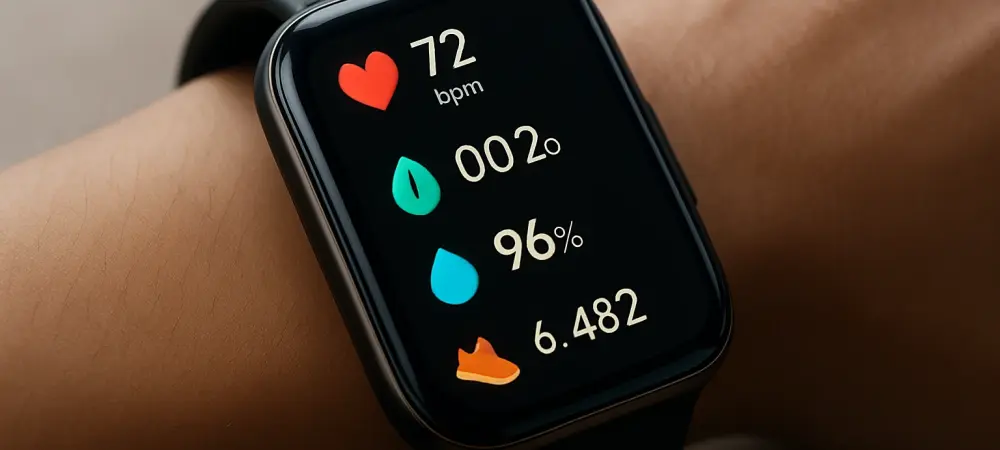
In a world where wearable technology is rapidly evolving to meet the demands of health-conscious consumers, a new contender has emerged to redefine expectations with cutting-edge innovation. Launched during Oppo’s October event in China, this latest smartwatch captures attention with its sophisticated blend of style and functionality. Priced between CNY 1,299 (approximately $1,800 USD) and CNY 1,499 (about $2,100 USD), depending on the variant, it offers a range of color options and strap materials to suit diverse tastes. Available for purchase since October 22 through Oppo’s online store in China, the device underscores the brand’s commitment to accessibility in its primary market. With a strong emphasis on health monitoring and fitness tracking, this smartwatch positions itself as more than just a timepiece—it’s a personal wellness companion designed to cater to modern lifestyles, sparking curiosity about how far wearable tech can push the boundaries of daily health management.
Cutting-Edge Features and Design
Revolutionizing Health Monitoring
The standout appeal of this smartwatch lies in its comprehensive suite of health tracking capabilities, setting a high standard in the wearable market. Equipped with an eight-channel optical heart rate sensor, a 16-channel optical pulse oximeter, an ECG sensor, and a wrist temperature sensor, it delivers precise data on vital metrics. Functions such as sleep tracking, snoring assessment, SpO2 level monitoring during rest, heart rate analysis, fall detection, menstrual cycle tracking, and daily activity reminders ensure users stay informed about their well-being. This focus on detailed health insights reflects a growing trend where devices are expected to act as proactive health assistants, empowering individuals to take charge of their physical condition with real-time feedback and actionable data.
Beyond basic monitoring, the smartwatch caters to fitness enthusiasts with over 100 sports modes, including running, cycling, swimming, walking, and rowing, paired with AI-driven sports coaching. This functionality transforms workouts into guided experiences, offering personalized tips to enhance performance. The integration of such diverse features highlights the device’s versatility, appealing to both casual users seeking wellness support and dedicated athletes aiming to optimize their training routines. By bridging health and fitness, it aligns with the industry’s shift toward holistic solutions that address a spectrum of user needs in one compact package.
Striking Design and Display Quality
Aesthetics and usability converge in the smartwatch’s meticulously crafted design, making it a stylish yet practical accessory for everyday wear. Featuring a 1.46-inch AMOLED display with a 464×464 resolution and 317 ppi pixel density, the screen offers crisp visuals even under challenging lighting, thanks to a peak brightness of 3,000 nits. Housed in a circular stainless steel dial with a functional crown and navigation button, the design exudes a premium feel while ensuring ease of use. This combination of form and function caters to consumers who value both elegance and efficiency in their tech gadgets.
Weighing just 35g without the strap and measuring 44.98×44.98×8.9mm, the lightweight build promises comfort during prolonged wear, whether during workouts or daily activities. Additionally, its 5ATM + IP68 rating for dust and water resistance guarantees durability in various environments, from poolside laps to outdoor adventures. Available in Rhythm Silver, Racing Black, and Vibrant Green Field variants, with rubber or cloth straps, the device offers customization to match personal style. Such attention to detail in design and resilience underscores a commitment to delivering a product that seamlessly integrates into diverse lifestyles.
Performance and Market Impact
Technical Prowess and Connectivity
Underpinning the smartwatch’s capabilities is a robust set of technical specifications that ensure smooth operation across functions. Powered by the BES2800BP chipset and supported by 4GB EMMC memory, it runs on ColorOS Watch 7.1 for a fluid user experience. Connectivity is extensive, with Bluetooth 5.2, dual-band GPS (L1 + L5), BeiDou, Galileo, GLONASS, NFC, and QZSS, ensuring reliable navigation and pairing with devices on Android 10 or iOS 14 and above. Onboard sensors like an accelerometer, gyroscope, geomagnetic sensor, air pressure sensor, and ambient light sensor further enhance its utility for tracking and environmental adaptability.
Battery performance stands out as a key strength, with a 339mAh capacity offering up to 10 days of usage under ideal conditions, seven days with regular use, and four days with the always-on display active. Charging efficiency is equally impressive, reaching full capacity in about 90 minutes, while a quick 10-minute charge provides up to 24 hours of operation. These features collectively position the device as a reliable companion for users who prioritize uninterrupted performance, minimizing downtime and maximizing engagement with its health and fitness tools.
Shaping Trends in Wearable Tech
The introduction of this smartwatch reflects a broader movement in the industry toward multifunctional devices that prioritize user wellness alongside technical innovation. By embedding advanced sensors and a wide array of tracking options, it meets the rising demand for wearables that serve as both fitness trackers and health monitors. This convergence of capabilities caters to a diverse audience, from casual wearers to dedicated fitness buffs, signaling a shift where personal tech becomes integral to daily health management. The emphasis on varied aesthetics also shows an understanding of consumer desire for personalization in their gadgets.
Looking back, the launch alongside flagship smartphones and tablets during the October event marked a strategic move to reinforce Oppo’s standing in the competitive smartwatch arena. The device’s ability to address multifaceted needs through detailed health insights and durable design sets a benchmark for future releases. As the market continues to evolve, stakeholders can anticipate further advancements by focusing on integrating even more precise health metrics and enhancing user interfaces. Exploring partnerships with health organizations or fitness platforms could also amplify impact, ensuring that such devices remain at the forefront of empowering users to lead healthier, more connected lives.