

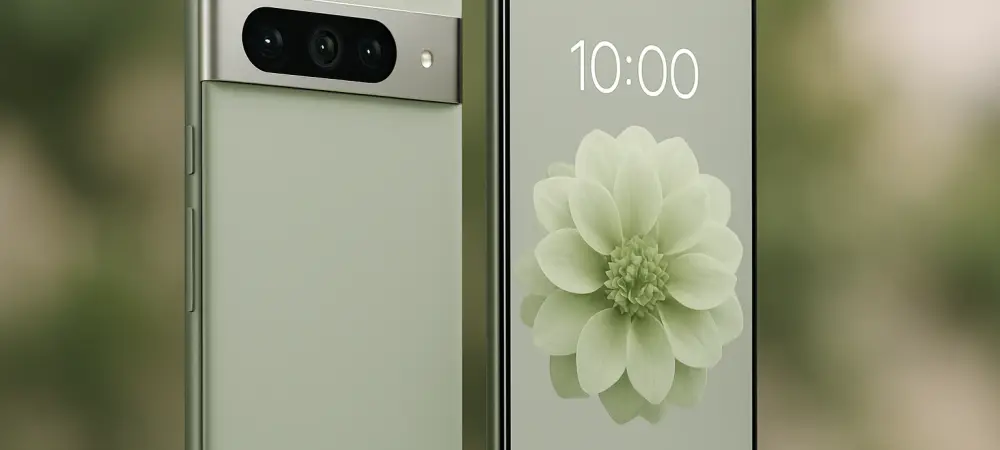
In a smartphone market dominated by oversized flagships, compact premium devices like a certain high-end Google phone have become a rare breed, sparking intense curiosity among tech enthusiasts who value both portability and power. With these priorities in mind for many users, this device has captured attention for its promise of blending style with functionality in a smaller form factor. This roundup gathers diverse opinions, reviews, and insights from various industry perspectives to dissect the strengths and weaknesses of this much-discussed smartphone. The purpose is to provide a comprehensive overview, comparing contrasting views on design, software, performance, and value, to help potential buyers make informed decisions in a crowded premium arena.
Diverse Perspectives on Design and Build Quality
Industry feedback highlights the exceptional craftsmanship of this smartphone, with many praising the use of premium materials and a robust IP68 rating for dust and water resistance. Reviewers often note the tactile elegance of the frame, describing it as a standout in the compact category. A recurring sentiment is that the build screams high-end, positioning it as a device that feels luxurious in hand.
However, not all opinions align on perfection. Some sources point out minor imperfections, such as small gaps in the frame or a subtle creak when pressure is applied. While certain analysts argue these flaws are negligible in daily use, others suggest they slightly tarnish the luxury appeal, especially at a flagship price point. This split in perspective raises questions about whether such details matter to the average consumer or if the overall aesthetic overshadows them.
Software and Sustainability: A Long-Term Commitment Under Scrutiny
When it comes to software, opinions converge on the impressive seven-year update guarantee starting from 2025, paired with the latest Android version and AI-driven features like Gemini and Circle to Search. Many tech commentators applaud this longevity, emphasizing how it enhances usability for productivity-focused users. The integration of such tools is often cited as a forward-thinking move that keeps the device relevant over time.
On the sustainability front, Google’s eco-conscious efforts—using recycled materials and promoting repairability through partnerships like iFixit—earn consistent praise. Yet, skepticism emerges around the delayed availability of spare parts, with some reviewers cautioning that this could undermine the repairability promise. Differing views suggest that while the long-term support offers a competitive edge, practical challenges might frustrate users seeking immediate solutions.
A notable divergence appears in assessments of AI feature reliability. While some sources commend the innovation behind tools like live translations, others criticize their inconsistency, labeling them as underdeveloped for real-world application. This mixed feedback underscores a broader debate on whether software polish can fully compensate for other shortcomings in the device’s ecosystem.
Display and Camera Capabilities: Brilliance with Caveats
The OLED display garners widespread acclaim for vivid colors and high brightness, with many reviewers calling it a visual treat for media consumption. Tech blogs frequently highlight its ability to stand out in bright environments, a crucial factor for outdoor use. This aspect often positions the screen as a key selling point for those prioritizing visual quality.
Yet, a common critique centers on PWM flickering, which some users find distracting despite a 480 Hz mitigation setting. Opinions vary on the severity of this issue—while certain analysts see it as a minor annoyance, others warn it could affect sensitive individuals, urging potential buyers to test the device firsthand. This split reveals a nuanced challenge in balancing cutting-edge display tech with user comfort.
Camera performance also sparks debate, with strong zoom capabilities earning praise across multiple reviews, often described as a highlight for photography enthusiasts. However, struggles in low-light conditions and inconsistent AI-enhanced shots draw criticism, with some sources questioning if features like Camera Coach offer genuine value or merely serve as marketing gimmicks. Compared to rival devices, opinions suggest that imaging tech here doesn’t always lead the pack, fueling discussions on whether software updates could bridge the gap.
Performance and Hardware: A Divisive Weak Spot
Performance remains the most polarizing aspect, with the Tensor G5 chip receiving mixed feedback. Many reviewers agree it handles everyday tasks adequately, making it suitable for casual users. Tech forums often note that for routine apps and multitasking, the device performs without significant hiccups, appealing to a broad audience.
However, benchmarks and gaming performance reveal stark disagreements. Sources focusing on intensive applications like Genshin Impact frequently report choppy gameplay and a lack of advanced features such as ray tracing, placing it behind competitors. Some industry voices argue this limits its flagship credentials, while others believe software optimization might eventually mitigate hardware constraints, though skepticism persists on timelines for such improvements.
Charging speeds and storage technology further divide opinions. With wired charging at 30 W and wireless at 15 W, alongside outdated UFS 4.0 speeds, many critics label these specs as underwhelming for a premium device. Additional frustrations, like limited USB-C format support, are often cited as unnecessary drawbacks. While some reviewers suggest these issues are minor for non-power users, others contend they erode trust in the device’s ability to compete at the top tier, highlighting a critical area of concern.
Final Thoughts and Next Steps
Looking back, this roundup revealed a broad spectrum of insights on a compact premium smartphone that impressed with design and software longevity but stumbled in raw performance and hardware innovation. The collective feedback painted a picture of a device that excelled for those valuing sustainability and a smaller form factor, yet disappointed gamers and power users seeking cutting-edge speed. Diverse opinions underscored the challenge of balancing aesthetics with functionality in today’s market.
For those intrigued by this device, exploring hands-on demos at local retailers could clarify personal priorities, especially regarding display comfort and performance needs. Digging deeper into community forums for user experiences with AI tools and repairability updates might also provide practical guidance. As the smartphone landscape evolves, keeping an eye on how future iterations address these hardware gaps could inform smarter purchasing decisions down the line.