

Imagine a world where artificial intelligence (AI) and high-performance computing (HPC) demands are growing at an unprecedented rate, with global data creation expected to surpass 180 zettabytes annually within the next few years, placing immense pressure on traditional data center infrastructure. This explosive surge in digital workloads has often left conventional systems unable to keep pace with the need for rapid deployment and scalability. Modular data centers have emerged as a transformative solution, offering speed, efficiency, and adaptability to meet these challenges head-on. This analysis delves into pioneering innovations from companies like Fourier Cooling and SuperX AI Technology Limited, while exploring broader industry trends that are reshaping the landscape of digital infrastructure.
The Surge of Modular Data Centers for AI and HPC
Explosive Market Expansion and Adoption Patterns
The demand for data center infrastructure has skyrocketed, fueled by the relentless growth of AI and HPC workloads. Industry projections estimate that global spending on data center systems will continue to climb at a compound annual growth rate of over 10% from this year through 2027, driven largely by investments in AI-driven applications. This surge reflects a critical need for infrastructure capable of handling massive computational requirements with minimal latency.
A notable shift is occurring toward modular and prefabricated data center solutions, which address the urgency for rapid scalability. Analyst reports suggest that modular designs can reduce deployment timelines by up to 50% compared to traditional builds, making them a preferred choice for enterprises racing to capitalize on AI opportunities. This trend is not merely a temporary fix but a fundamental evolution in how data centers are conceptualized and constructed.
The adoption of these solutions is further accelerated by the need for flexibility in location and capacity. Modular units can be deployed in diverse environments, from urban edges to remote sites, ensuring that computing power is accessible wherever it is needed most. This adaptability is proving essential as industries increasingly rely on real-time data processing and analytics.
Cutting-Edge Applications and Breakthroughs
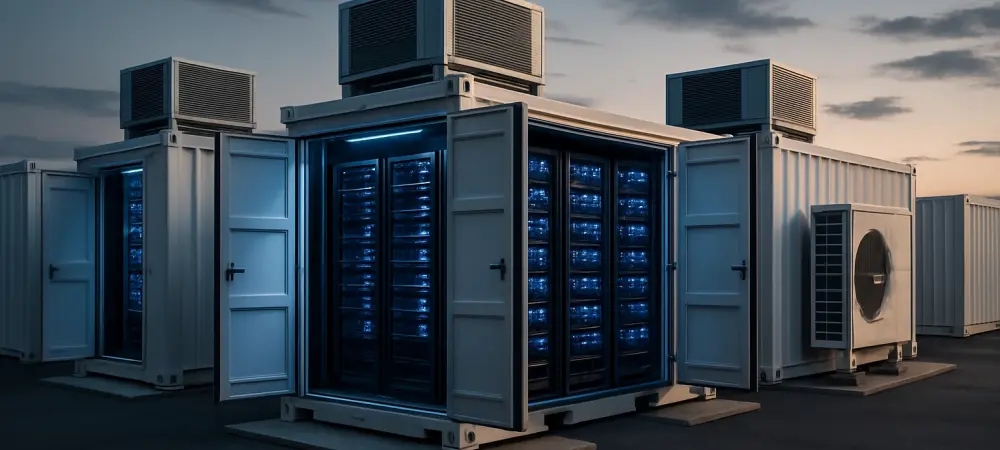
Among the leaders in this space, Fourier Cooling has introduced containerized pods tailored for AI and HPC environments, boasting compliance with Tier III standards for reliability. These pods support rack densities ranging from 40kW to over 200kW, accommodating the intense power demands of modern workloads. Their innovative cooling technologies, including immersion and direct-to-chip methods, ensure optimal performance even under extreme conditions.
Another standout is SuperX AI Technology Limited, a Singapore-based firm that has unveiled the SuperX Modular AI Factory. This prefabricated module spans 6,000 square meters and delivers 20MW of power, integrating compute, cooling, and energy systems for deployment in under six months. Featuring NeuroBlock compute units and CryoPod cooling technology, it supports up to 144 Nvidia GB200 NVL72 systems, showcasing a leap in efficiency and speed.
Both companies highlight a shared focus on high-density computing and rapid scalability, yet their approaches diverge in execution. While Fourier Cooling emphasizes a versatile portfolio of cooling options, SuperX integrates sustainable power solutions like High-Voltage Direct Current distribution, eliminating traditional UPS systems. These real-world innovations underscore the potential of modular designs to redefine data center capabilities.
Industry Insights on Modular Advancements
Analyst perspectives underscore the pivotal role of modular data centers in tackling contemporary computing challenges. Experts note that the ability to scale infrastructure swiftly without sacrificing performance is a game-changer for industries dependent on AI and HPC. This sentiment aligns with the advancements showcased by Fourier Cooling and SuperX, which prioritize cutting-edge cooling and power efficiency.
Cooling efficiency and power optimization remain critical pain points, as high-density workloads generate significant heat and energy demands. Industry leaders stress that solutions like immersion cooling and renewable energy integration are no longer optional but essential for sustainable operations. These innovations help reduce operational costs and environmental impact, addressing concerns that have long plagued traditional data centers.
Despite the optimism, challenges such as initial costs and integration complexities persist. Regulatory hurdles around energy usage and environmental standards also pose potential roadblocks. However, expert consensus remains positive, with many believing that ongoing technological refinements and collaborative efforts will mitigate these issues, paving the way for broader adoption of modular solutions.
Future Horizons for Modular Data Center Technology
Looking ahead, modular data centers are poised to evolve with advancements in cooling methodologies and energy efficiency. Emerging techniques, such as next-generation liquid cooling and AI-driven thermal management, could further enhance performance while minimizing resource consumption. These developments promise to make data centers even more resilient to the escalating demands of digital transformation. The integration of renewable energy sources stands as another frontier, with the potential to reduce carbon footprints significantly. As industries like healthcare, finance, and research grow increasingly reliant on AI and HPC, modular infrastructure could enable breakthroughs by providing sustainable, high-capacity computing closer to end-users. Yet, supply chain constraints and environmental considerations remain hurdles that must be navigated carefully.
Rapid innovation in this field also calls for standardized practices to ensure reliability and interoperability across diverse solutions. Without cohesive guidelines, the risk of fragmented systems could undermine the benefits of modularity. Balancing the drive for innovation with the need for consistency will be crucial to shaping a robust future for digital infrastructure.
Shaping the Legacy of Digital Infrastructure
Reflecting on the strides made, the contributions of Fourier Cooling and SuperX AI Technology Limited stand out as benchmarks in modular data center design. Their focus on efficiency, scalability, and advanced technology addresses the pressing demands of AI and HPC workloads with remarkable precision. These innovations not only meet immediate needs but also set a foundation for future growth.
The impact of their work reverberates across industries, proving that modular solutions can transform the way computing power is delivered and managed. Stakeholders are inspired to invest in sustainable, cutting-edge infrastructure, recognizing the urgency of adapting to a data-driven era. The path forward demands collaboration to refine these technologies further. As a next step, industry players are encouraged to prioritize partnerships that foster standardized frameworks and shared best practices. By championing modular designs and sustainable energy solutions, the collective effort can ensure that digital infrastructure evolves in harmony with global needs. This commitment promises to leave a lasting imprint on the landscape of technology.