

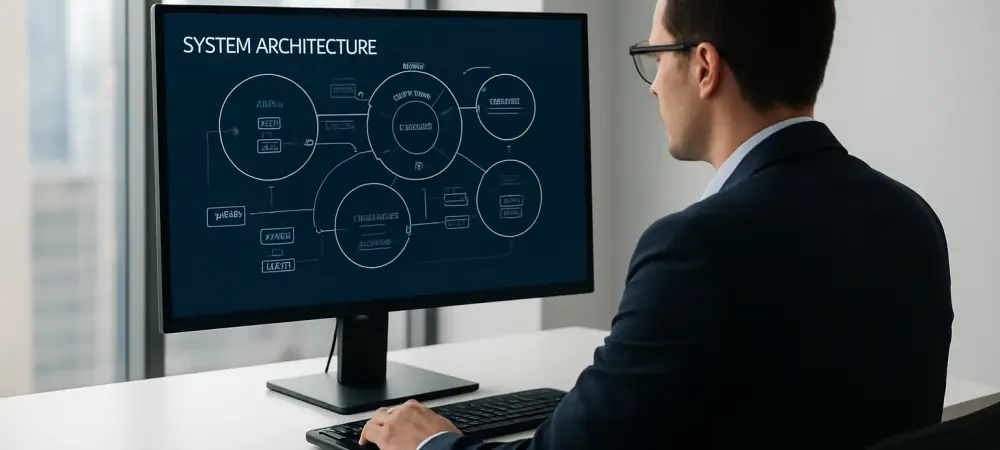
The rapid metamorphosis of artificial intelligence from a peripheral corporate experiment into the very backbone of global industrial infrastructure has fundamentally altered how modern organizations manage their human capital and digital assets. This transformation signals a departure from the era of simple prompt engineering toward a sophisticated paradigm known as loop engineering, where the focus shifts from human-driven commands to autonomous, self-optimizing systems. As businesses integrate these advanced capabilities, the role of the technologist is being redefined from a manual operator to an architect of intelligent workflows. This maturation marks a critical turning point for the technology workforce, necessitating a deeper understanding of systems thinking and platform integration.
The Maturation of AI Capabilities and Market Growth
Analyzing the Surge in Agentic System Adoption
Current hiring trends across global capability centers indicate that approximately two-thirds of all newly created roles now require specific expertise in generative AI or advanced data orchestration. The market is witnessing a profound transition from single-shot deployments, which require constant human input, to always-on agentic systems that operate independently to achieve long-term objectives. Within key technology hubs, the specialized talent pool for these advanced architectures is projected to exceed 10,000 professionals as demand for autonomous agents continues to accelerate.
Industry data suggests that the geographical distribution of this talent is shifting, with regions like India evolving from traditional back-office support roles into high-value ownership centers. These hubs now drive product innovation and the development of business-critical platforms that serve global markets. This relocation of strategic intellectual property reflects a broader trend where the ability to build and govern autonomous systems determines a region’s competitive standing in the digital economy.
Orchestrating Autonomous Workflows in Enterprise Ecosystems
Real-world application involves embedding AI agents directly within massive enterprise platforms like SAP, Oracle, and ServiceNow to navigate complex corporate workflows without human intervention. For instance, a modern finance agent can now autonomously verify data with supply chain counterparts and initiate recovery protocols if discrepancies are detected. This level of integration moves beyond the limited utility of experimental chatbots, favoring integrated frameworks where multiple agents collaborate across departments to solve multi-step business challenges.
Organizations are building interconnected webs of intelligence that can interpret business logic and execute decisions in real-time. This shift toward orchestration ensures that AI is not merely an additive feature but a core operational component that enhances the efficiency of every department from procurement to customer success. By moving beyond human-led prompts, companies are creating a layer of digital labor that can scale operations without a proportional increase in headcount.
Expert Perspectives on the Shift: From Prompt to Loop Engineering
Industry leaders, including Saravanan Balasundaram of Han Digital Solution, highlight that loop engineering represents the new frontier where machine intelligence functions with minimal human oversight. This shift requires professionals to move their expertise above the prompt layer, focusing instead on systems thinking and platform architecture. The ability to understand deep business context and translate it into autonomous logic has become the primary differentiator for high-value talent in the current market.
Moreover, experts warn that the primary challenge for this transition lies in the friction between advanced autonomous capabilities and the rigid reality of established cybersecurity and compliance operations. While the technical ability to automate a process may exist, the organizational readiness to trust an autonomous agent with sensitive financial or personal data remains a significant hurdle. Professionals who can bridge the gap between technical possibility and regulatory safety are becoming the most sought-after architects in the enterprise space.
Navigating the Risks and Opportunities: The Autonomous Frontier
The future of enterprise AI will be defined by agentic systems that interact with other models, evaluate their own outcomes, and make sequential decisions in real-time. This progression introduces new risks, particularly regarding identity and data integrity, which require the creation of robust guardrails to ensure transparency and accountability. As legal frameworks evolve to keep pace with technology, the development of trusted AI has become the ultimate goal for the next generation of engineers who must balance speed with ethical responsibility.
While the benefits of this autonomous frontier include unprecedented efficiency and scalability, the broader implications include a shrinking half-life for technical skills. The rapid pace of innovation forces a move toward continuous learning and extreme adaptability among the workforce. Failing to govern these systems effectively could lead to significant failures in critical business functions, making the oversight of autonomous agents a high-stakes priority for executive leadership.
The transition to loop engineering signified that artificial intelligence was no longer a standalone tool but an interconnected, thinking component of the modern enterprise. Success in this era required a strategic shift from human-led AI to a model of human-governed, autonomous intelligence that delivered measurable global value. Organizations that prioritized the development of adaptable talent ecosystems led the next wave of technological innovation and maintained a competitive edge in a rapidly changing market. This evolution ultimately redefined the relationship between human creativity and machine execution, ensuring that the technology workforce remained relevant by focusing on orchestration rather than simple execution. To sustain this momentum, leadership teams must now implement rigorous internal auditing for agentic decision-making and foster cross-disciplinary training programs that merge software engineering with cognitive architecture.