

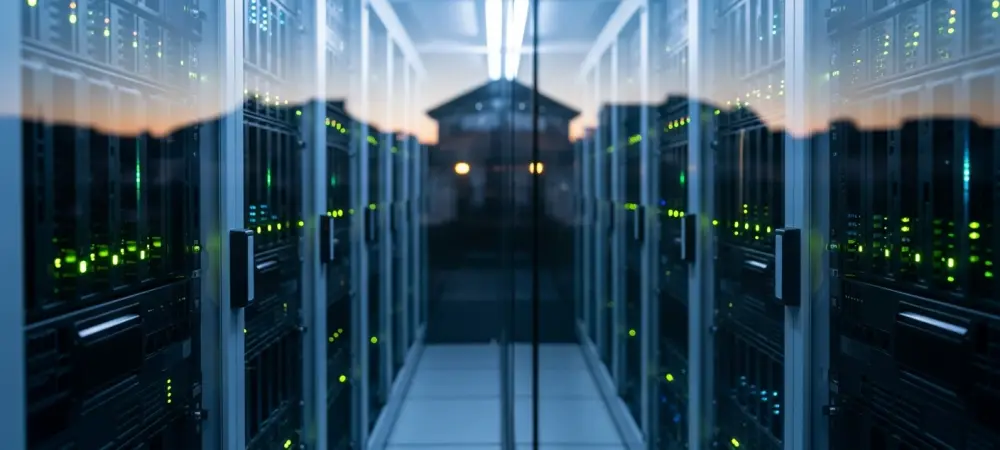
The digital landscape is undergoing a silent transformation as the massive, windowless fortresses of the cloud give way to transparent, community-integrated micro-hubs. While hyperscale providers dominated previous infrastructure cycles, a new architectural shift is bringing processing power back to the neighborhood level. This evolution reflects a growing realization that where data lives physically determines who can participate in the high-speed economy. Proximity is becoming the new standard for both digital equity and operational performance. By placing infrastructure closer to the end-user, organizations eliminate the inefficiencies of long-distance routing. This analysis explores the transition from centralized hubs to localized edge infrastructure, highlighting the “Fish Bowl” project in Homestead as a primary example of this movement.
The Decentralization of Digital Infrastructure
Market Shifts and Adoption Statistics
The trend marks a pivot from “Fortress” data centers in major metros toward 10-rack micro-centers in underserved suburbs. As computing needs grow, the traditional model of housing hardware in distant industrial parks is proving insufficient. Modern industries require a decentralized approach to handle the surging volume of real-time data generated by local users. Statistical insights reveal that routing data over 30 miles, as seen in South Miami-Dade, creates severe bottlenecks for fintech and logistics. This latency gap hinders the adoption of automation and real-time analytics. Consequently, private equity and joint ventures, like the partnership between Remergify and Farrington Capital Group, are increasingly targeting sub-tier markets for investment.
Real-World Application: The “Fish Bowl” Landmark
The ReadySetFundGrow (RSFG) campus in Homestead utilizes a glass-walled micro-center to bridge the digital divide. This “Fish Bowl” serves as a landmark, proving that high-tier tech can thrive outside of traditional business districts. It provides the South Miami-Dade region with the tools necessary to compete on a global scale. Integrating AMD Instinct MI300X GPUs at the edge allows local startups to leverage high-performance computing without the delay of the public cloud. This hardware is essential for artificial intelligence and complex modeling. Moreover, the site functions as a multi-functional hub, combining data colocation with coworking spaces, virtual offices, and EV charging.
Industry Perspectives on Technological Equity
Executives Alfred Farrington II and Stuart Fine suggest that providing infrastructure comparable to affluent districts is a matter of economic justice. They argue that localized tech is the only way to ensure suburban entrepreneurs have the same advantages as those in Brickell. This philosophy shifts the focus from mere connectivity to genuine technological equity.
Healthcare providers also benefit from this shift, as local HIPAA-ready colocation ensures data sovereignty and compliance. Maintaining sensitive records within the community reduces risks associated with long-range data transit. Industry leaders believe that speed and local control are the primary drivers for small business growth.
The Future of Hyper-Local Computing
The “Fish Bowl” model offers a blueprint for reclaiming “tech deserts” across the country to foster regional development. However, expanding this model requires navigating complex zoning laws and specialized construction timelines. Scaling such projects demands a delicate balance between rapid deployment and community integration.
Broader implications point toward a future where managed IT services and edge computing become as ubiquitous as local utilities. This shift will likely transform residential outskirts into “smart neighborhoods” powered by hyper-local processing. As infrastructure becomes decentralized, the economic map of the region will be permanently redrawn.
Conclusion: Redefining Connectivity
The transition from centralized cloud dominance toward the agility of localized edge centers redefined the nature of connectivity. The RSFG campus functioned as a vital catalyst for growth in Homestead, setting a standard for how sub-tier markets approached infrastructure. It demonstrated that proximity was the ultimate key to a competitive digital economy.
City planners and investors recognized that local data centers were the foundation of sustainable urban tech ecosystems. Stakeholders prioritized the integration of these micro-hubs into the very fabric of municipal planning to ensure long-term resilience. This movement ensured that the benefits of the digital age reached every corner of the suburban landscape.