

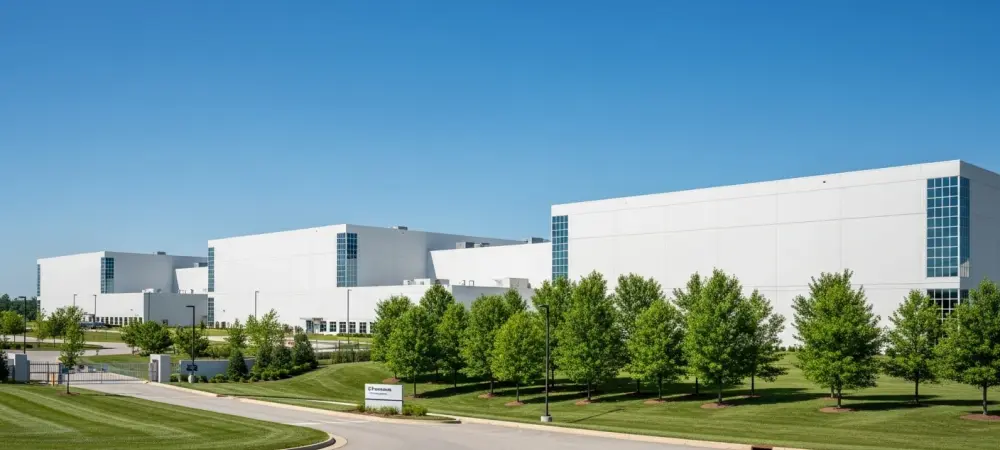
The rolling hills of Franklin, Kentucky, long defined by agricultural heritage and a quiet pace of life, are currently serving as the unexpected backdrop for an intense struggle over the physical infrastructure of the digital age. A proposal for a massive data center project has recently gained a critical recommendation from the Planning and Zoning Commission, sparking a debate that transcends simple land use. This decision represents a pivotal moment for the community, forcing a choice between the preservation of rural character and the embrace of a high-tech economic engine that promises to reshape the region’s fiscal landscape.
A High-Stakes Bet on Industrial Digitalization
The Gateway 65 corridor has historically been viewed as a prime location for regional development, but the sheer scale of the TenKey LandCo proposal marks a radical departure from past industrial projects. As the global demand for data processing continues to skyrocket, developers are scouting locations where land is plentiful and infrastructure can be built from the ground up. The transition toward high-density digital hubs suggests that small Kentucky towns are no longer just agricultural centers; they are becoming essential nodes in the global internet economy.
This shift has created a palpable friction between long-standing community values and the rapid pace of modern technological expansion. While city leaders see a path toward modernization, many residents view the 200-acre site near Steele Road as an intrusion that threatens the very identity of their home. This project serves as a significant test case for how rural municipalities manage the arrival of “Big Tech” and the massive resources required to sustain such large-scale operations.
Dissecting the TenKey LandCo Proposal
The blueprint for this development features three massive 200,000-square-foot facilities designed to accommodate immense processing loads. To address concerns regarding the strain on the local electrical grid, TenKey LandCo has proposed an “off-grid” strategy that includes an on-site power plant. By utilizing natural gas turbines and advanced battery storage, the developer aims to insulate local residents from the utility rate hikes that often accompany high-energy industrial users.
Environmental sustainability is another key pillar of the proposal, with the developer committing to closed-loop cooling systems to prevent excessive water consumption. Furthermore, in a departure from typical corporate expansions, TenKey has declined to seek public tax abatements or Tax Increment Financing (TIF). By opting to pay full property taxes from day one, the company is positioning itself as a major contributor to the local treasury without relying on taxpayer-funded incentives.
Economic Windfalls vs. Community Resistance
The potential financial benefits are staggering, with estimates suggesting the project could generate $30 million in annual property tax revenue. These funds could provide a transformative boost to local schools and public services, yet this promise has not silenced a vocal and organized opposition. Recent public meetings have been marked by high tensions, resulting in the removal of several disruptive attendees, as residents express deep-seated fears regarding noise, traffic, and the long-term impact on their quality of life.
This resistance is further fueled by ongoing legal complexities, including a challenge TenKey is mounting against zoning ordinances in neighboring Simpson County. The developer’s attempt to engage the public through a “Community Priority Survey” was intended to build goodwill by letting residents voice their preferences for tax spending. However, for many in Franklin, the offer of new parks or road repairs felt like a secondary concern compared to the permanent alteration of their local environment.
Navigating the Path to Local Approval
The ultimate fate of the project now rests with the Franklin City Commission, which must balance the allure of unprecedented tax revenue against the intense disapproval of a significant portion of the electorate. To ensure a stable future, officials were tasked with creating a framework that holds the developer accountable to its environmental and social promises. This involved drafting strict, enforceable standards for noise mitigation and power plant emissions to protect the health and comfort of those living near the Gateway 65 corridor.
Moving forward, the city prioritized the establishment of a transparent oversight board to monitor the allocation of the projected $30 million windfall. By formalizing the results of the “Community Priority Survey” into a binding investment plan, leaders sought to ensure that the economic gains were directly reflected in improved public infrastructure and lower local tax burdens. These steps were designed to transform a divisive industrial proposal into a long-term community asset that honored the town’s needs while securing its financial independence.