

In a world where smartphone technology evolves at breakneck speed, capturing consumer attention requires more than just incremental upgrades—it demands groundbreaking innovation that redefines user expectations. The rapid pace of advancements has set a high bar, with brands racing to deliver devices that push the boundaries of performance and user experience. Among these contenders, iQoo stands out as a trailblazer, consistently pushing the envelope with its flagship offerings. The launch of the iQoo 15 marks a pivotal moment in this ongoing race, spotlighting a trend toward high-performance smartphones that cater to tech-savvy users. This analysis delves into the significance of this device, exploring its launch strategy, cutting-edge specifications, and its broader impact on industry standards in a fiercely competitive market.
Unveiling the iQoo 15: Launch Details and Market Strategy
Official Announcement and China-Centric Rollout
The much-anticipated iQoo 15 is set to make its debut on October 20 at 7:00 PM local time in Shenzhen, China, as confirmed through an official post on iQoo’s Weibo account. This strategic timing ensures maximum visibility in one of the world’s largest smartphone markets, underlining the brand’s intent to solidify its foothold domestically before expanding elsewhere. The announcement has generated significant buzz among tech enthusiasts eager to witness the unveiling of this flagship device.
Following the launch event, the device will be available for immediate purchase in China, a move that reflects iQoo’s focus on catering to its home audience with urgency. This rapid availability post-launch is designed to capitalize on the excitement and secure early adopters in a market known for its high demand for premium gadgets. Such a strategy ensures that domestic consumers get first access to the latest technology.
However, the absence of a confirmed global release date has left international fans and markets in anticipation. This phased approach suggests a deliberate prioritization of the Chinese market, potentially delaying availability for other regions. The implications of this strategy highlight a growing trend among smartphone brands to test the waters in key markets before a worldwide rollout, balancing supply chain logistics with consumer demand.
Strategic Positioning in a Competitive Landscape
iQoo’s decision to center the launch in China aligns with a broader industry pattern where major brands often prioritize localized unveilings to build momentum. This approach mirrors tactics seen in competitors like Xiaomi and Oppo, who frequently debut flagship models in their home markets to gauge reception and refine marketing for global audiences. By focusing on China first, iQoo taps into a vast consumer base with a strong appetite for cutting-edge technology.
The immediate post-launch availability in China also positions iQoo to capture significant market share swiftly, a tactic that counters the delayed rollouts often seen with other brands. This move not only boosts early sales but also generates word-of-mouth promotion through initial user feedback. Such strategies are becoming increasingly common as companies aim to establish dominance in key regions before facing global competition.
Moreover, this localized focus allows iQoo to fine-tune its supply and distribution channels in a controlled environment. By addressing potential challenges like inventory or pricing concerns domestically, the brand can better prepare for international markets. This calculated approach underscores a trend of strategic market segmentation, ensuring that flagship devices like the iQoo 15 make a strong impact where it matters most initially.
Cutting-Edge Specifications: What Sets the iQoo 15 Apart
Powerhouse Performance with Snapdragon 8 Elite Gen 5
At the heart of the iQoo 15 lies the Qualcomm Snapdragon 8 Elite Gen 5 processor, a chipset that represents the pinnacle of mobile performance. This advanced hardware promises unparalleled speed and efficiency, setting a new benchmark for flagship smartphones. Its inclusion signals iQoo’s commitment to delivering top-tier capabilities that meet the demands of power users and gamers alike.
Industry reports highlight a growing reliance on such flagship processors in premium devices, with adoption rates increasing steadily over recent years. The Snapdragon 8 Elite Gen 5 is not just a component but a statement of intent, positioning the iQoo 15 among the elite in terms of raw processing power. This trend reflects consumer expectations for devices that can handle intensive tasks without compromise.
Beyond raw performance, the chipset’s integration also suggests advancements in energy efficiency and thermal management, critical for sustained usage. As smartphones become central to productivity and entertainment, such features are no longer optional but essential. The iQoo 15’s adoption of this technology showcases how leading brands are aligning with market demands for robust, future-proof hardware.
Premium Features for an Elevated User Experience
The visual prowess of the iQoo 15 is expected to be a standout, featuring a 6.85-inch Samsung 2K display with a 144Hz refresh rate. This combination promises crisp, fluid visuals ideal for everything from gaming to streaming high-definition content. Such specifications cater to users seeking an immersive experience, a growing priority in smartphone design.
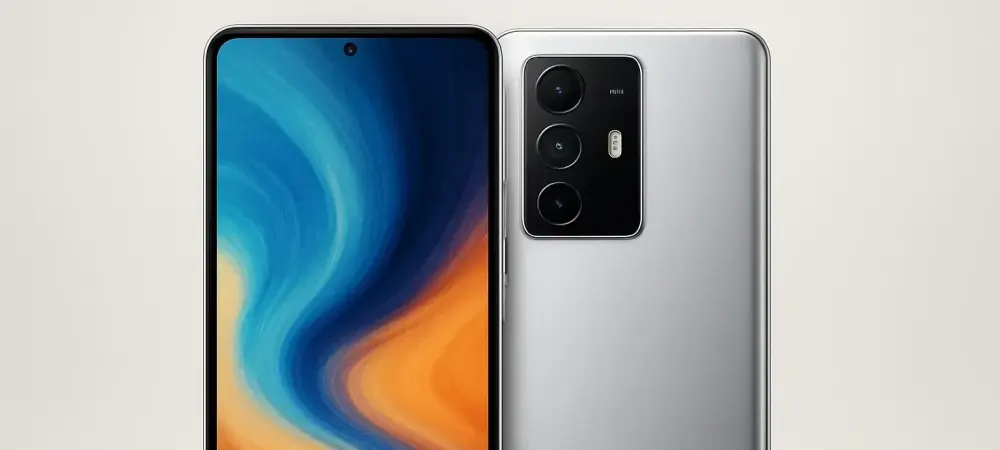
Photography enthusiasts will likely find much to admire in the rumored triple rear camera system, comprising a 50MP primary sensor, a 50MP periscope telephoto lens, and a 50MP ultrawide lens. This versatile setup addresses diverse shooting needs, from detailed close-ups to expansive landscapes. The focus on camera innovation reflects a broader industry shift toward mobile photography as a key differentiator in flagship devices.
Additionally, the iQoo 15 is said to boast a massive 7,000mAh battery, supporting 100W wired and wireless charging—a significant leap from its predecessor, the iQoo 13. Complemented by features like an ultrasonic fingerprint scanner, symmetrical dual speakers, and an X-axis linear vibration motor, the device aims to enhance every aspect of user interaction. These elements collectively highlight a trend toward holistic improvements in smartphone functionality.
Industry Perspectives on iQoo’s Innovation Drive
Tech analysts have noted that the integration of flagship processors like the Snapdragon 8 Elite Gen 5 is crucial for brands aiming to stay competitive in the premium segment. Such hardware not only elevates performance but also serves as a marketing tool to attract discerning buyers. This perspective underscores the industry’s pivot toward power and efficiency as core selling points for high-end smartphones.
Expert opinions further emphasize iQoo’s focus on user-centric design, with features like advanced displays and enhanced charging capabilities responding directly to consumer needs. Analysts suggest that this approach reflects a deeper understanding of market dynamics, where users demand devices that excel in multiple areas. The iQoo 15’s comprehensive feature set is seen as a direct answer to these evolving expectations.
However, challenges remain, particularly around pricing and potential delays in global availability. Market observers point out that while premium specifications are impressive, they often come with a higher cost that could limit accessibility. Balancing innovation with affordability, alongside timely international rollouts, will be key hurdles for iQoo to navigate as it seeks to expand its footprint beyond China.
Future Implications of the iQoo 15 in the Smartphone Market
The iQoo 15 could set new precedents in smartphone design, particularly with its advancements in display technology and battery capacity. A 144Hz 2K display and a 7,000mAh battery might push competitors to elevate their offerings, driving innovation across the board. This ripple effect often shapes consumer expectations for what constitutes a flagship device.
Camera technology in the iQoo 15 also hints at future trends, with its triple 50MP setup potentially redefining mobile photography standards. As brands compete to offer superior imaging capabilities, such innovations could become baseline features in premium models. This shift may encourage a broader focus on specialized lenses and sensors in upcoming devices.
On a larger scale, iQoo’s advancements might pressure the tech industry to accelerate innovation cycles, challenging rivals to match or exceed these benchmarks. However, the challenge of balancing cutting-edge features with cost and global accessibility remains a critical consideration. How iQoo addresses these issues could influence market dynamics, shaping strategies for both established players and emerging brands.
Final Thoughts on iQoo 15’s Market Impact
Reflecting on the buzz around the iQoo 15, its launch on October 20 in China marked a significant milestone in the realm of high-performance smartphones. The device’s standout specifications, from the Snapdragon 8 Elite Gen 5 processor to the expansive 7,000mAh battery, underscored iQoo’s dedication to pushing technological boundaries. This moment captured the essence of a competitive industry striving for excellence.
Looking ahead, stakeholders and consumers alike should monitor how iQoo navigates the global rollout of this flagship. Exploring partnerships for efficient distribution and adopting flexible pricing models could ensure wider accessibility. These steps would help maximize the device’s impact beyond domestic borders.
Moreover, the industry must consider how such innovations can inspire sustainable practices in smartphone manufacturing. Prioritizing eco-friendly materials and energy-efficient components in future designs offers a pathway to align progress with responsibility. Staying attuned to these developments will be crucial as the market continues to evolve.