

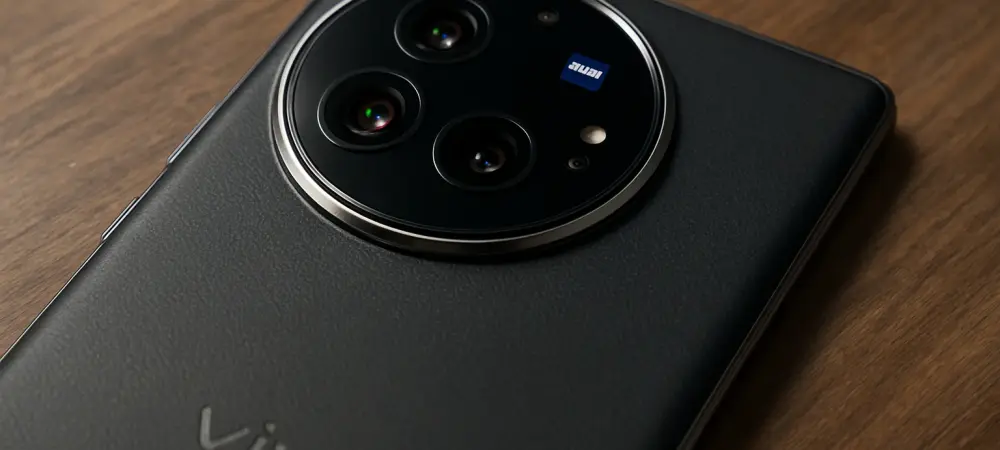
In an era where smartphone cameras often play a decisive role in consumer choices, the Vivo X300 series emerges as a powerful contender with its groundbreaking Zeiss camera technology, setting new benchmarks for mobile photography. With over 60% of smartphone users prioritizing camera quality in their purchasing decisions, according to recent industry surveys, the demand for premium photography features has never been higher. This review dives into the Vivo X300 and X300 Pro, launched in select European markets on October 30, exploring how these devices aim to redefine standards in the competitive flagship segment.
Design and Build: Elegance Meets Durability
The Vivo X300 series showcases a design philosophy that balances aesthetic appeal with functional elegance. The compact X300, a spiritual successor to the X200 Pro Mini, offers a sleek form factor ideal for users seeking portability without sacrificing power. Meanwhile, the larger X300 Pro caters to those who prefer a more substantial grip and screen real estate, ensuring both models appeal to diverse preferences.
Color options such as classic black and a unique beige/brown variant reflect an intentional effort to attract a wide range of consumers. These hues not only exude sophistication but also align with current European design trends favoring understated luxury. The visual impact of these choices positions the series as a stylish accessory as much as a technological tool.
Durability remains a cornerstone of the build quality, with premium materials ensuring a robust yet refined feel in hand. The construction emphasizes resilience against everyday wear while maintaining a lightweight profile. This blend of sturdiness and style demonstrates a clear understanding of practical needs among European users who value both form and function in their devices.
Technology and Features: Pushing Boundaries
Zeiss Camera System: Photography Redefined
At the heart of the Vivo X300 series lies a 200-megapixel Zeiss camera system, setting a new benchmark for mobile photography. This cutting-edge technology delivers exceptional clarity and detail, catering to enthusiasts who demand professional-grade results. Whether capturing landscapes or intricate close-ups, the camera performance stands out as a defining feature.
A standout addition is the 2.35x teleconverter, which enhances zoom capabilities without compromising image quality. This feature proves particularly appealing for users aiming to photograph distant subjects with precision, such as wildlife or sports events. It positions the series as a versatile tool for content creators and hobbyists alike seeking advanced optical performance.
MediaTek Dimensity 9500: Powerhouse Performance
Driving the X300 series is the MediaTek Dimensity 9500 processor, a chipset engineered for top-tier performance. This powerful component ensures seamless multitasking, smooth gaming experiences, and rapid app launches, meeting the expectations of even the most demanding users. Benchmark tests reveal its ability to handle intensive workloads with ease.
Beyond raw power, the processor optimizes energy efficiency, extending battery life during prolonged usage. This balance of speed and sustainability caters to professionals and gamers who rely on their devices for extended periods. The result is a flagship experience that doesn’t falter under pressure.
OriginOS: A Fresh Software Approach
Marking a significant shift, the X300 series introduces OriginOS, replacing the previous FunTouchOS with a revamped user interface. This software update brings a cleaner, more intuitive design tailored to enhance user interaction. Customizable features and streamlined navigation reflect a focus on user-centric innovation.
For the European market, OriginOS incorporates localized adaptations to align with regional preferences and usage habits. Enhanced privacy settings and app integrations further elevate the experience, ensuring relevance across diverse demographics. This transition signals a commitment to evolving software alongside hardware advancements.
Market Positioning: Carving a Niche in Europe
Vivo’s strategic rollout in markets like Austria and the Czech Republic highlights a targeted approach to European expansion. By focusing on regions with historical brand presence, the company builds on existing consumer trust while navigating challenges elsewhere. This calculated entry underscores a long-term vision for growth in the continent.
When compared to competitors like Oppo’s Find X9, which boasts Hasselblad camera technology, the X300 series holds its own with Zeiss optics and potentially more competitive pricing. This rivalry in the premium photography segment offers consumers compelling choices, intensifying market dynamics. Vivo’s emphasis on camera excellence aims to capture a distinct niche among discerning buyers.
Despite its strengths, legal hurdles such as a patent dispute with Nokia limit Vivo’s reach in key markets like Germany. Overcoming these barriers will be crucial for broader adoption across Europe. Addressing consumer perceptions and building brand recognition against established giants remain ongoing challenges for the company.
Real-World Impact: Who Benefits Most?
The Vivo X300 series shines in practical scenarios, particularly for photography enthusiasts and content creators. Its advanced camera system empowers users to produce high-quality visuals for social media, portfolios, or personal projects. Travelers, too, benefit from the teleconverter’s ability to capture distant landmarks with stunning detail.
Professionals requiring reliable performance find value in the powerful processor and intuitive software. Whether managing complex workflows or staying connected on the go, the series supports a fast-paced lifestyle. This versatility ensures it resonates with a tech-savvy audience seeking all-in-one solutions.
Unique use cases, such as detailed photography in challenging environments, further highlight the device’s appeal. From documenting intricate architectural elements to capturing candid moments at events, the X300 series adapts to varied creative demands. This adaptability makes it a standout choice for users pushing the boundaries of mobile technology.
Final Thoughts: Reflecting on a Bold Launch
Looking back, the launch of the Vivo X300 series marked a pivotal moment for the brand in Europe, showcasing a blend of innovative camera technology and robust performance. The integration of Zeiss optics and the MediaTek Dimensity 9500 processor set a high standard for what flagship devices can achieve. Despite regional limitations, the strategic focus on select markets laid a foundation for future growth.
Moving forward, Vivo should prioritize resolving legal challenges to unlock broader European access, particularly in influential markets. Continued investment in camera and software enhancements will be key to maintaining a competitive edge. For consumers, exploring the X300 series offers a chance to experience cutting-edge photography tools, signaling a promising direction for smartphone innovation in the years ahead.