

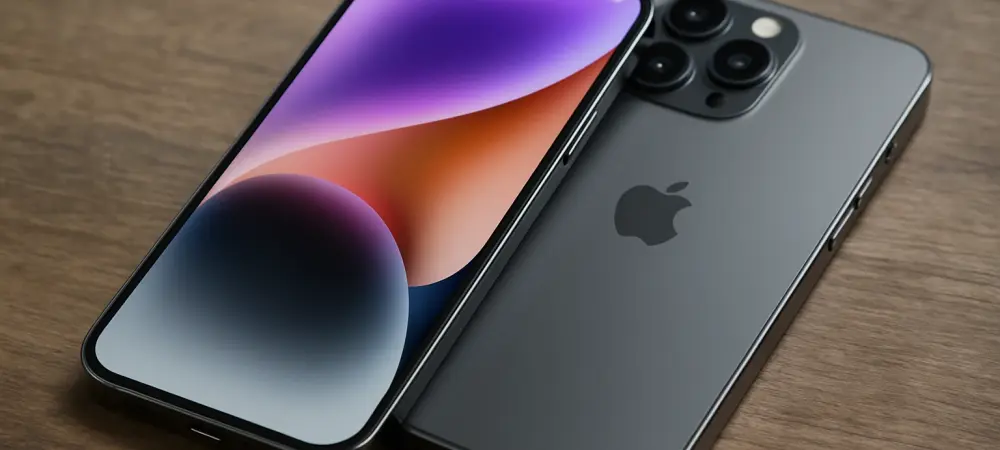
In the fast-paced world of smartphone technology, the constant evolution of iPhone design has become a focal point of innovation, shaping both market trends and consumer expectations. Each new iPhone release is a testament to this relentless pursuit of advancement, prompting enthusiasts and industry experts alike to anticipate the next transformative leap. With the anticipated launch of the iPhone 17 Pro series, the design changes are expected to not only redefine the aesthetics of Apple’s flagship devices but also enhance functionality, setting new benchmarks in technological creativity and user experience.
Evolution of iPhone Design
Historical Design Trends and Milestones
The journey of iPhone design is characterized by significant milestones that have marked the evolution of smartphone aesthetics and functionality. From the debut of the original iPhone with its iconic single-button design to the sleek, edge-to-edge display of modern iterations, Apple’s design philosophy has always been about simplicity married with cutting-edge innovation. Over the years, developments in material use, such as the shift from aluminum to titanium, highlight the brand’s commitment to durability and luxury. These design changes have coincided with an increasing consumer adoption rate, driven by the allure of a device that symbolizes both technological prowess and personal style.
Current Innovations in iPhone Design
The forthcoming iPhone 17 Pro series exemplifies the latest in Apple’s design innovation, featuring notable changes that underscore its commitment to staying ahead of competitive trends. The introduction of an elongated camera module with advanced rear sensors not only enhances photographic capabilities but also implies a reinvention of the device’s back aesthetic. The repositioned Apple logo and adjustments in the MagSafe magnet design are subtle yet impactful modifications, demonstrating Apple’s meticulous attention to detail. Such changes are not isolated but part of a broader narrative influenced by competitive pressures and consumer demand for more sophisticated, high-performing smartphones.
Expert Opinions on iPhone Design Innovations
Industry experts and thought leaders highlight the considerable impact these design innovations have on user experience and market dynamics. According to these experts, Apple’s design refinements have consistently positioned the iPhone as a market leader, offering functional benefits that often predict industry trends. The challenges of integrating new technologies into compact, user-friendly designs reflect the ingenuity and foresight of Apple’s design teams. Experts also point to these innovations as critical in maintaining Apple’s competitive advantage, setting a high bar for quality and user satisfaction that competitors strive to match.
Future of iPhone Design Innovations
Looking ahead, the future of iPhone design is poised to explore groundbreaking trends such as foldable displays and the utilization of even more advanced materials. These innovations promise to enhance functionality and user satisfaction while presenting new challenges such as cost implications and technical feasibility. As Apple moves toward reducing wired connections with wireless technologies and enhancing device aesthetic and ergonomic appeal, the broader implications for the smartphone industry are significant. Apple’s design direction is likely to influence market shifts, urging other brands to innovate continuously to meet evolving consumer needs.
Conclusion and Forward-Looking Insights
In conclusion, the trajectory of iPhone design innovation exemplifies Apple’s unwavering dedication to pushing the boundaries of smartphone technology. Each advancement not only elevates user experience but also reaffirms Apple’s role as a catalyst for broader industry change. As the iPhone 17 Pro series prepares to enter the market, it encapsulates groundbreaking advancements that set new standards in design and functionality. Looking forward, the continuous evolution of iPhone design promises further technological marvels, reinforcing the importance of staying informed about the latest developments in smartphone design. The journey of innovation is far from over, and the potential for future breakthroughs remains vast, reflecting a landscape ripe with opportunity and transformation.