

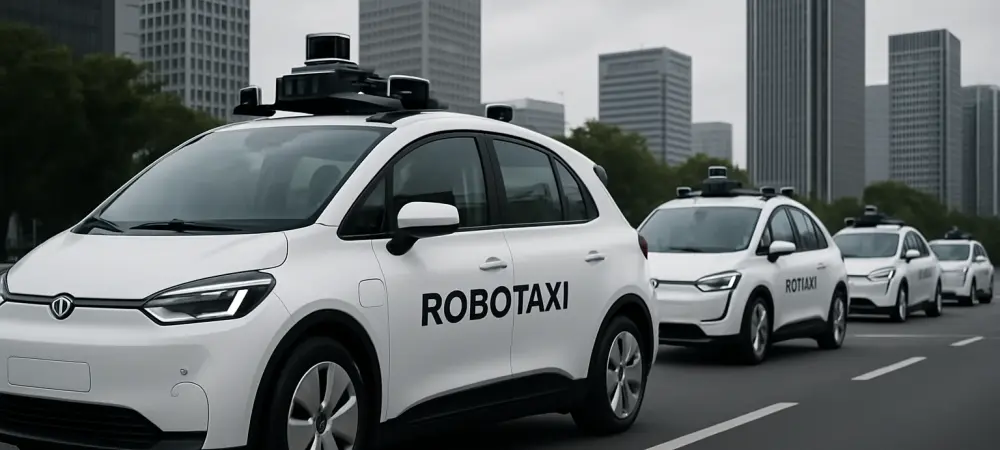
In the midst of a technological revolution, robotaxis stand out as a promising leap towards the future of urban transportation. Straddling the line between human oversight and machine autonomy, these self-driving vehicles exemplify the evolving synergy aimed at creating safe, efficient, and autonomous travel solutions. As Tesla pioneers a new chapter in autonomous vehicle technology with a pilot service in Austin, Texas, safety drivers remain an integral part of this test phase. This not only highlights the challenge of achieving full automation but underscores the multifaceted role humans continue to play in advancing these technologies.
Current Landscape of Human-Automation Synergy
Data and Growth Trends
A recent surge in interest toward integrating human oversight with autonomous driving solutions has been notable. The numbers reflect this upward trajectory, with adoption rates in metropolitan areas highlighting a growing public comfort with and trust in robotaxis. According to industry reports, the deployment of semi-autonomous vehicles has increased substantially over the past few years, given their ability to tackle real-world challenges that purely automated solutions struggle with. This balance between safety and automation demonstrates significant promise and growing market acceptance.
Real-World Applications
Today’s real-world applications of human-automation synergy in robotaxis draw from a variety of innovative approaches. Companies like Tesla and Waymo are actively incorporating safety drivers who monitor systems and take control when necessary, ensuring a seamless blend of technology and human intervention. This model not only enhances safety but also allows these companies to collect invaluable data, which is crucial for refining algorithms and improving autonomous performance. This approach of utilizing human oversight ensures that while technological advancement is pursued, there is a commitment to maintaining high safety standards.
Expert Insights and Industry Perspectives
Insights from industry leaders and experts further underline the trend’s growing significance. Prominent figures in the automotive industry stress the continuing need for human input, especially for unpredictable road conditions and “edge cases” that fully autonomous systems might struggle to address. Their perspectives reveal not only the technological hurdles and ethical considerations at play but also highlight the enormous potential impact on traffic management, urban planning, and environmental sustainability. Challenges remain, particularly in achieving a robust, absolute safety net, demanding innovative solutions and regulatory updates.
Future Outlook and Implications
Looking forward, the evolution of human-automation synergy in robotaxis is expected to unfold dynamically. As technology advances, the capacity for safety drivers to operate from remote locations is likely to increase, facilitating broader deployment and reducing the costs associated with maintaining human presence in every vehicle. This shift could also bring about significant urban transformations, reducing congestion and influencing infrastructure development. However, it raises concerns over job displacement and necessitates ethical guidelines for deploying such technology at scale. Anticipating these developments is vital for sustainably realizing the potential benefits that robotaxis promise.
Conclusion
The progression toward an integrated human-automation approach in robotaxis marked a crucial turning point in self-driving technology. As industry players continued to refine their strategies, the importance of this synergy remained evident in addressing both safety and operational efficiency challenges. Reflecting on this trend, it became clear that the balance between innovation and practical caution holds the key to advancing mobility solutions. Moving forward required a strategic focus on enhancing technological capabilities while maintaining human oversight, shaping a future where autonomous transportation seamlessly integrates with societal needs.